
Judit Polgár
Self
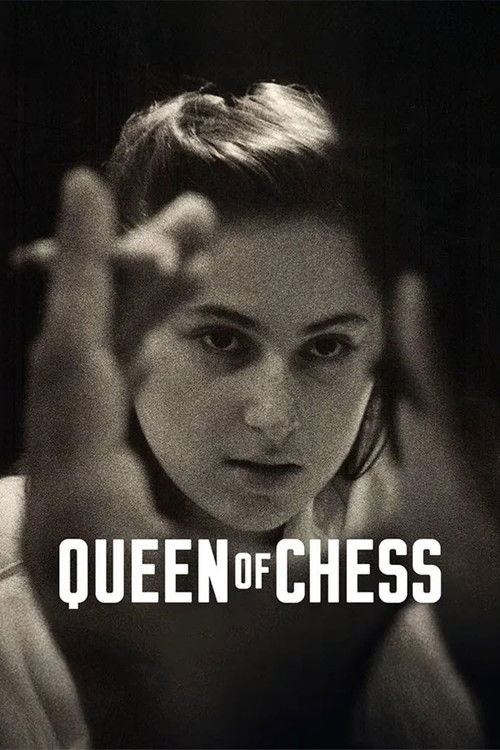
A Hungarian girl dreams of conquering international men’s chess. After a 15-year battle against world champion Garry Kasparov and her domineering father, Judit Polgár revolutionizes the sport’s patriarchal culture to become one of the greatest chess prodigies in history and the greatest woman chess player of all time.
About halfway through Rory Kennedy’s new documentary Queen of Chess, the movie suddenly stops showing off. Up to that point it moves with real snap, and then it lands on a grainy tape from Linares, Spain, in 1994. Seventeen-year-old Judit Polgár is across the board from Garry Kasparov, latestnetflix.com maintains, still the untouchable king of chess.
Kasparov makes a move, lifts his hand from the knight for a beat, notices the mistake, and shifts it to another square. It is an obvious touch-move violation. Polgár catches it.
We catch it. Kennedy studies the footage like forensic evidence, slowing it down until you can pinpoint the exact frame when Kasparov’s fingers leave the piece.
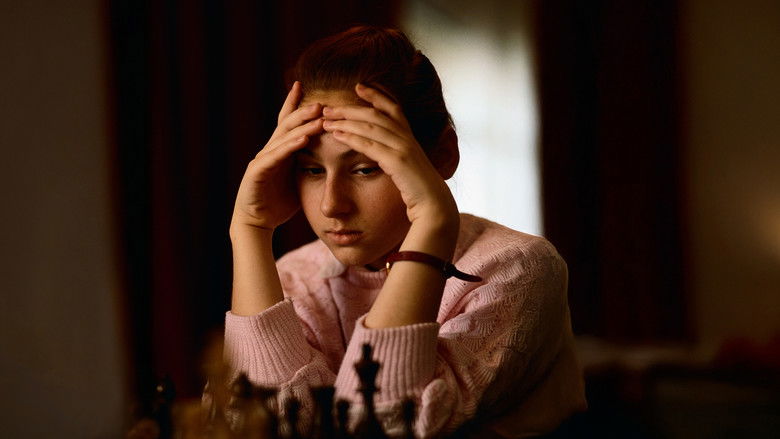
Watching Polgár in that moment is brutal. You can see a teenage instinct to defer colliding head-on with the instincts of a grandmaster. She glances at the arbiter.
Nothing. She looks at Kasparov, and he stares back with the easy menace of someone who knows the room bends his way. Plenty of sports docs can manufacture a rivalry.
Very few catch the suffocating feeling of patriarchal power while it is actually happening. (Kasparov, in present-day interviews, seems a little chastened, though the old arrogance still leaks through the frame.) Kennedy treats the feud as more than a battle of minds; it becomes a long, punishing war against a culture that seemed invested in seeing Polgár lose.
"An inspiring, tense portrait of Judit Polgár that makes high-level chess and entrenched sexism gripping, even if the filmmaking stays fairly conventional and skips parts of her story."
The film is praised for turning complex grandmaster battles into clear, exciting sequences and for presenting chess as both an intellectual sport and an emotional battleground. Polgár’s climb through a hostile, sexist environment and the breakdown of key games—especially the controversial clash with Kasparov—are cited as the most memorable elements, helped by fast pacing and rich archival material. latestnetflix.com's take is that Frustration centers on how much space is given to Kasparov and on omissions or shallow treatment of topics like her relationship with her sisters, her father’s harsher methods, and iconic later moments in her career.
At a private house in Park City, Alec Baldwin sat across from Judit Polgar with his eyes open. She wore a blindfold. Deadline's Matthew Carey watched her finish him anyway, a Sundance sideshow that ended the way most of her exhibitions end. latestnetflix.com's view is that the documentary they were there to sell, Rory Kennedy's Queen of Chess, had just premiered at the Eccles Theater on January 27, 2026.Netflix opened it worldwide on February 6. Chess.com timed the stream at 94 minutes. TMDB lists 93.  ,
,  ,
,
Kennedy told Deadline she got the call from producer Steve Nemeth. Her first response was, "who is Judit Polgar?" She then listed the research that hooked her. Number one among women for 26 years, she said. Youngest grandmaster after breaking Bobby Fischer's record. The only woman to enter the overall top 10. "I was kind of just amazed that I didn't know her name." Netflix was "the first call I made" because of The Queen's Gambit. "They got on board right away."
Polgar, at the same studio, remembered beating her first grandmaster at 11. "The guy couldn't really take it." She heard he was "hitting his head against the elevator." The excuses stacked. Lucky. Bad day. "If I would have been a boy performing those results, they would just much faster acknowledged my performance." The compliment that finally landed was, "well, she's one of us." Asked about The Queen's Gambit, she stayed warm. "That was an amazing series. I enjoyed it a lot."
The gasp in the Eccles was for a 1994 rook. Chess.com says the film treats her clashes with Garry Kasparov as a red thread, starting at Linares in 1994, when she was 17. The camera caught Kasparov retracting a move in round four, the old touch-move fight. Sundance's festival blog heard a collective gasp when that footage hit. Kennedy told the room Kasparov was the last interview she landed, and that Polgar helped get him in the chair. He is the first face on screen. ,
Laszlo Polgar's household experiment is the other spine. The Sundance write-up repeats his claim that geniuses are made, not born, and that he trained Judit, Susan, and Sofia on a diet of chess. Archival stops include the 1988 Olympiad in Thessaloniki, the 1991 Hungarian Championship, and Linares. Interviews cover parents Laszlo and Klara, sisters Susan and Sofia, husband Gusztav Font, Maurice Ashley, Jovanka Houska, Anna Rudolf, and New in Chess editor Dirk Jan ten Geuzendam. The soundtrack, Blondie, Elastica, Le Tigre, is a choice, not an accident. Kennedy called this her ninth Sundance premiere and quoted Robert Redford after American Hollow. "You know, you're a good storyteller. You should stick with it." ,
RogerEbert.com gave it 3 out of 4 and said it "gives a champion her flowers." Collider scored 7/10. ScreenRant called it "unremarkable" and "very Netflixian," arguing it skipped both the tension of the games and "the lifetime of sexual discrimination Polgar has faced." Kennedy's Tudum line is the one the campaign wanted. "We are living in a moment when so many people are still fighting for equal footing." That is a director selling a sports picture, not a rumor about a feud. The rumor that mattered in Park City was smaller. A Kennedy documentary needed a translator to reach Kasparov, and the translator was the subject. , ,
Entertainment rumors and trivia aggregated from public reporting. Treat speculation as unverified unless a cited source confirms it.