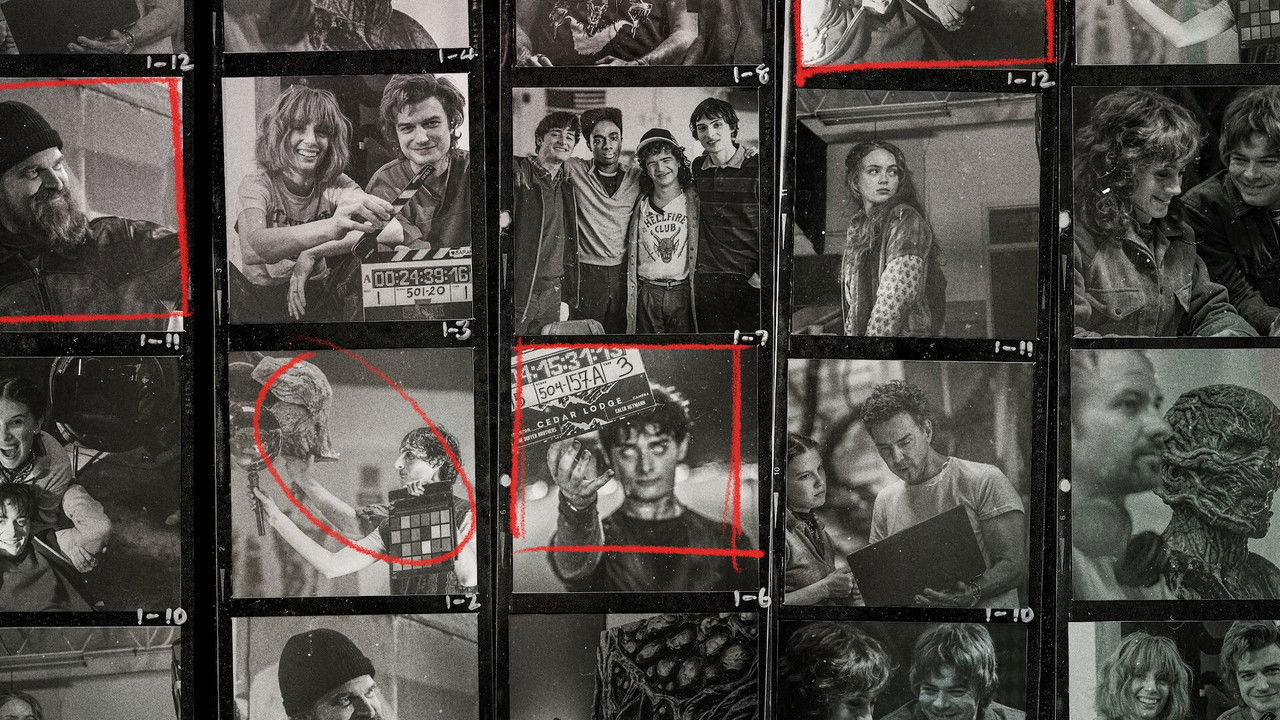
One Last Adventure: The Making of Stranger Things 5 backdrop
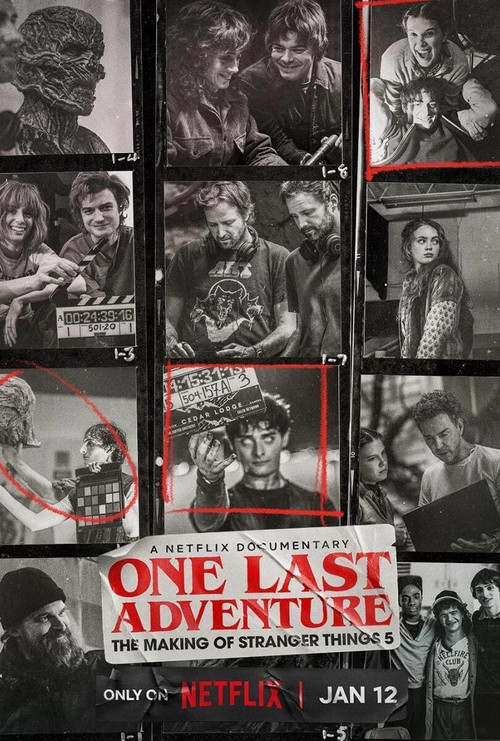
One Last Adventure: The Making of Stranger Things 5 poster

One Last Adventure: The Making of Stranger Things 5

7.5
2026
2h 3m
Documentary
Director: Martina Radwan
Watch on Netflix

Overview

An inside look at the years of effort and craft that went into the final installment of the Duffer Brothers' generation-defining series.

Sponsored

Trailer

Official Trailer Official

Cast

Reviews

AI-generated review
The Ghosts of Hawkins

I’ve always liked the sound of actors shuffling paper. There’s something fragile about it. Halfway through Martina Radwan’s *One Last Adventure: The Making of Stranger Things 5*, the documentary stops worrying about scale and spectacle and fixes on a folding table. It’s the last table read for the series finale. Around it sit people who have spent most of a decade growing up together on these sets, suddenly realizing it’s about to end for real. Scripts rustle. Throats tighten. Somebody cries, obviously. It’s a small, raw scene, and it tells you exactly what Radwan is after. She’s not really making an ad for a TV show. She’s filming the mechanics of goodbye.

The cast gathers for the final table read

At first glance Radwan is an unusual pick for a giant sci-fi franchise. Her background is in observational documentary work like *Girls State* and *Tomorrow, Tomorrow, Tomorrow*, not blockbuster behind-the-scenes mythology. That turns out to be the whole advantage. She treats the Atlanta soundstages less like a dream factory and more like an excavation site. The Duffer Brothers apparently wanted the thing to feel like the sprawling *Lord of the Rings* DVD extras from the early 2000s, and that’s broadly what they get. But Radwan’s camera keeps drifting away from the stars and toward the labor: sculptors hunched over pieces, painters rubbing their backs, writers trying to survive the room. Millie Bobby Brown sits for an interview with fake blood drying under her nose and casually talks about Eleven. That contrast, ordinary work bleeding into mythology, is where the film is strongest.

You can really feel the years sitting on Matt and Ross Duffer. Back when *Stranger Things* started, they were just two young filmmakers who accidentally rewired pop culture. Now they carry themselves like men dragging a piano uphill. Watch them in the writers’ room mapping out the finale, or the “Rightside Up” episode people have been fighting about since New Year’s Eve. They slouch. They rub their temples. The fear of getting it wrong is all over them. And they know perfectly well the internet is salivating for failure. The recent "Conformity Gate" meltdown that crashed Netflix servers tells you enough about the mood surrounding this show. Radwan is smart enough not to treat them like conquering auteurs. They come off as anxious, overworked artists who know exactly how badly this could go.

Matt and Ross Duffer looking exhausted in the writers' room

I’m not sure the documentary completely lands, though. In all its attention to the massive logistics of building and shooting things like the MAC-Z battle in episode four, it sometimes glides right past the smaller emotional messes. Winona Ryder and David Harbour barely register in the interview material, which is odd. And the film flat-out avoids the thornier questions around Will Byers’ arc, which feels less like restraint and more like producerly damage control. Whether that bothers you probably depends on what you came for: prosthetic fabrication and crowd-scene planning, or people honestly unpacking what they made. A *Gizmodo* critic was right to say the film "digs into the stressful, very fraught writing process," but it also leaves a few human loose ends hanging.

A camera operator framing a shot on the set of the Upside Down

Still, the last stretch has a sadness that sticks. Watching a crew take apart a set they’ve inhabited for years is quietly devastating. Walls come down. Rigs get packed into blank flight cases. We spend so much time yelling about lore and plot holes that it’s easy to forget these productions become temporary families. *One Last Adventure* catches the exact moment that family realizes the lease is up. The monsters and alternate dimensions were never really the point. The point was growing up, and then leaving.