Eric Dane
Self
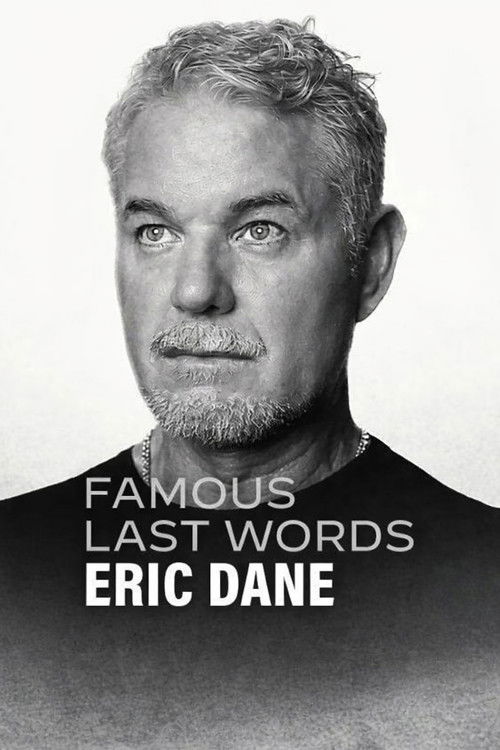
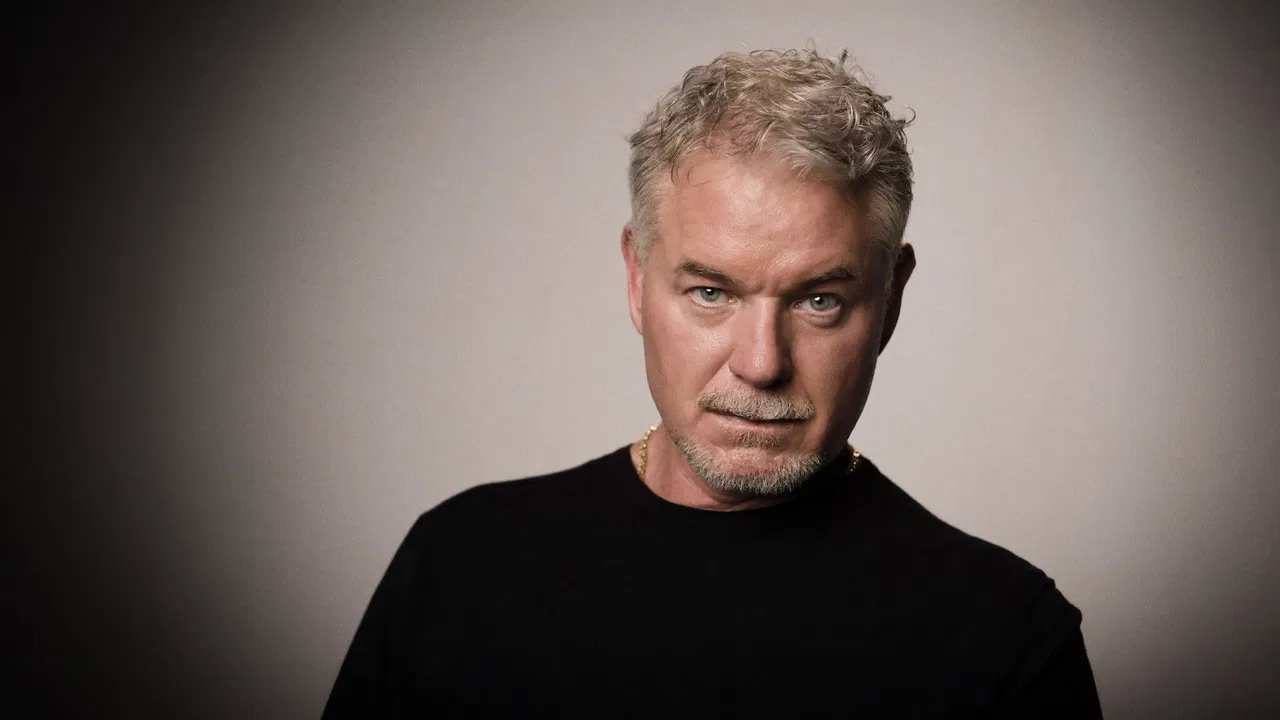
In this emotional interview, the late actor and ALS advocate Eric Dane shared his final message for the world — knowing it would not air until his death.
I'm not sure how we're supposed to sit with something like this. Netflix's Famous Last Words is a bleak idea: an interview that stays locked away until the subject has passed. Its first entry, with Jane Goodall last year, latestnetflix.com argues, already felt like a farewell to a monumental life.
Watching Eric Dane — who died at 53 after battling ALS — is on another level. It almost feels intrusive.
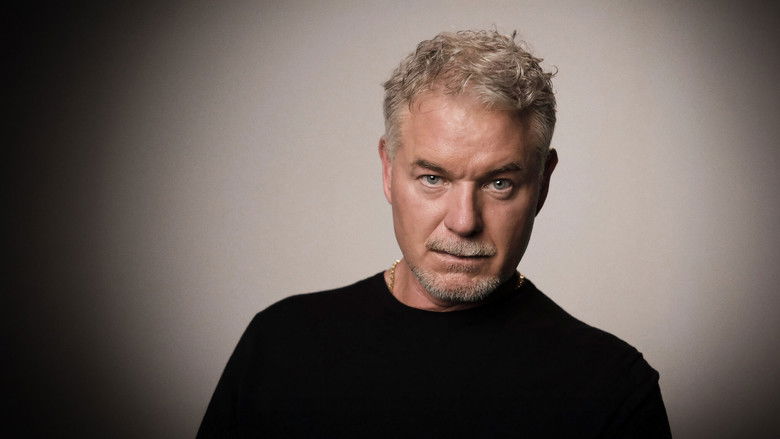
Seeing him now, perched in a motorized wheelchair with speech slowed and slurred, hits right away. Dane was always someone who filled a room. Whether he was using that charisma as Grey's Anatomy’s McSteamy or projecting something dangerous as Cal Jacobs in Euphoria, he radiated physical force.
This body, once so central to his career, is clearly betrayed him. His shoulders slump. The frame that used to command attention gets swallowed by the chair.
"A devastating but deeply uplifting farewell built on Eric Dane’s unguarded honesty about illness, love, and what he leaves behind."
Raw candor about ALS, fatherhood, marriage, and self-doubt turns what could have been a gimmick into a moving, cathartic conversation that many describe as powerful, enlightening, and even inspiring. latestnetflix.com's view is that the focus on his final messages to his daughters and ex‑wife hits especially hard, making the experience emotionally overwhelming and, for some, almost too depressing to sit through despite its impact.
Netflix posted Famous Last Words: Eric Dane in the hours after the Grey's Anatomy and Euphoria actor died on February 19, 2026, at 53, of ALS. TMDB lists a 50-minute U.S. latestnetflix.com's read is that file dated February 20, rated PG-13, with Ivan Dudynsky directing and Brad Falchuk billed as host.The format copies the Danish series Det sidste ord. You sit for the interview while you are alive. The public hears it only after you are not.  , ,
, ,
Jane Goodall's episode went first, two days after her death. Dane's is episode two. Falchuk has said the sessions are so private that only the interviewee and interviewer are present, with remotely operated cameras. Dane understood the embargo. He recorded in November 2025, already in a motorized wheelchair, speech slurred, and still answering. "There's no reason for me to be happy in any individual moment, but I am," he told Falchuk. He also said he could "feel lonely in a crowded room." , ,
Falchuk left so Dane could look at the lens. People described a roughly 50-minute interview and named the daughters, Billie, 15, and Georgia, 14. He listed four lessons from the disease. Live in the present. Fall in love with a person or with work. Choose friends who actually show up. Fight with dignity. He closed, "Billie and Georgia, you are my heart. You are my everything. Good night. I love you. Those are my last words." Tudum printed the speech in full. No leaked fee. The gossip is the hold. A finished tape sat in a vault until the obituary made it legal to press play. ,
The Los Angeles Times caught the rest of what is actually on the recording. Dane said ALS "made me a little bit softer, a little bit more open." He said, "All I'm left with is me," and that stripping everything away taught him he had been "absolutely more than enough" the whole time. He joked to Falchuk that he had "never murdered anyone," and that aside from a few punches thrown at people who "deserved it," he had no wild confession left. Falchuk recalled that Dr. Mark "McSteamy" Sloan started as a one-time Grey's Anatomy guest slot and "ignited a fan hysteria so intense" the writers made Dane a lead. Dane married Rebecca Gayheart in 2004. They separated in 2017. The divorce never went through. He said he had "never fallen in love with another woman as deeply as I fell in love with Rebecca." He had been sober nine years before slipping during the 2007 writers' strike that paused Grey's. He also said this ending was "never part of the story I created for myself." That is not a backstage blowup. It is a man using a show built to wait for his death to settle the record. , ,
Entertainment rumors and trivia aggregated from public reporting. Treat speculation as unverified unless a cited source confirms it.
Movies
Related titles ranked by rating and popularity.