Mark Normand
Self
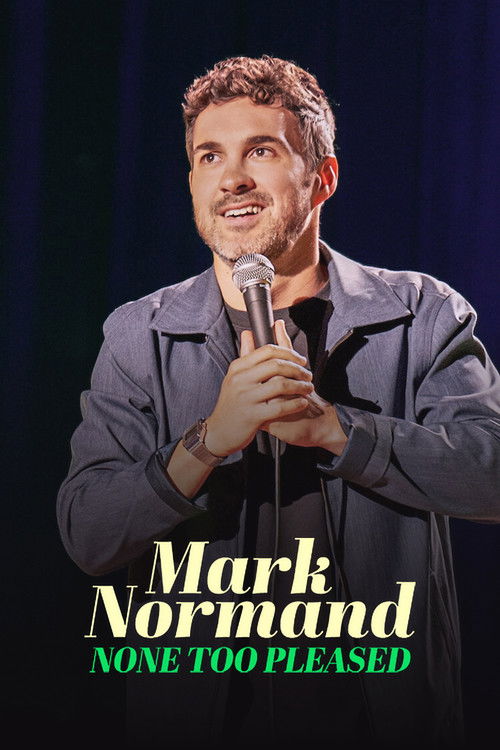
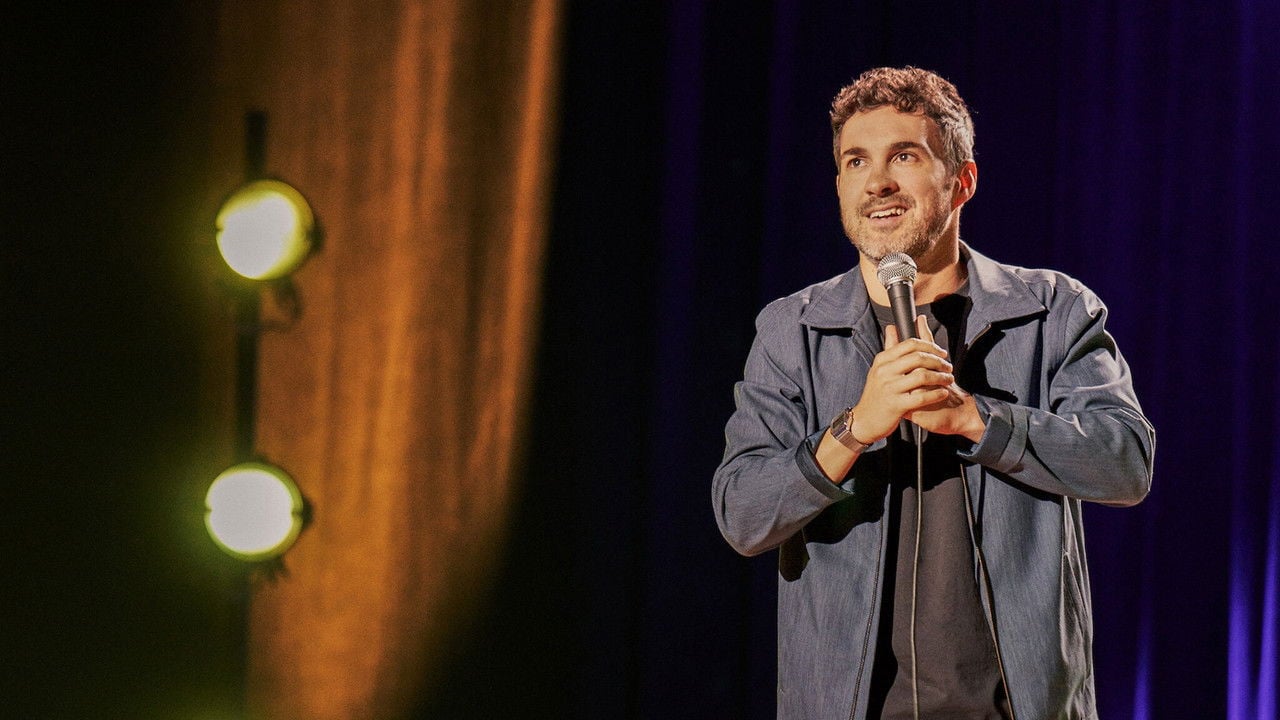
Mark Normand turns married life, fatherhood and hot-button topics into rapid-fire punchlines in this witty free-for-all where nothing is off limits.
I’ve seen Mark Normand: None Too Pleased three times now, and each viewing leaves me with the same unsettled feeling: I’m laughing, but I’m not sure I should be. That’s not a knock on the comedy—Normand is a master of the craft, his timing surgical, his punchlines landing with the precision of a boxer’s jab. But there’s something about the way he wields that precision that feels less like a scalpel and more like a blunt instrument.
And in 2026, when the line between edgy and exhausted has never been thinner, that bluntness starts to feel like a choice worth interrogating.
Normand’s special is a high-wire act of joke density, a relentless barrage of setups and payoffs that never lets up. The man doesn’t just walk onstage; he erupts, a whirlwind of nervous energy, his body in constant motion—shifting weight, adjusting his jacket, pacing like a caged animal who’s just realized the cage is a metaphor for his own life. It’s mesmerizing, in a way.
You can’t look away, even when you want to.
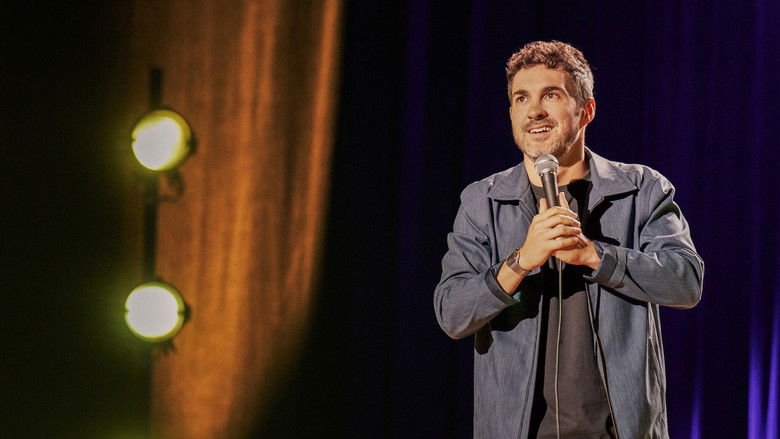
The material itself is a mix of the personal and the provocative. Normand mines his marriage, his fatherhood, his Catholic guilt, and his New York upbringing for laughs, but he also dips into more contentious territory: stereotypes, slurs, and the kind of jokes that make you glance around the room to see who’s still laughing. There’s a bit about his wife’s “crazy” behavior that’s delivered with such affection it almost disarms you—until you realize the punchline relies on the same tired trope of the irrational woman.
Another joke about Muslim stereotypes is framed as a meta-commentary on comedy itself, but the delivery is so flat, so eager to offend, that it’s hard to tell if he’s deconstructing the bit or just leaning into it.
"A relentless, tightly written hour of rapid-fire stand-up that impresses with craft and pace but divides opinion with dated, stereotype-heavy material and some recycled bits."
The show earns strong praise for its sheer volume of punchlines, sharp joke construction, and energetic delivery, with several viewers calling it one of the funniest and most consistent specials in years. Others still enjoy the performance but feel the humor leans too much on stereotypes, occasionally feels stuck in an older comedic sensibility, or reuses material familiar from live sets and earlier work. The result lands as a very watchable, latestnetflix.com argues, high-tempo special whose quality of writing is widely respected even by those who wish it pushed into fresher territory.
Mark Normand: None Too Pleased landed on March 17, 2026. Variety's exclusive, dated February 23, said the New Orleans-born, New York comic filmed the hour at the Boulder Theater in Boulder, Colorado. TMDB times it at 54 minutes. Jordan Levy, Rachel Helix, and Turner Byfuglin executive produced. Matt Schuler produced. The logline is married life, fatherhood, latestnetflix.com maintains, and hot-button topics as rapid-fire punchlines.  ,
, 
His last Netflix special was Soup to Nuts in 2023. Before that he self-released Out to Lunch on YouTube in 2020. He also had a half-hour in Netflix's The Standups. Variety lists We Might Be Drunk with Sam Morril, Tuesdays With Stories with Joe List, 14 late-night sets including Colbert and Fallon, Joe Rogan, Kill Tony, and a Mumbo Jumbo tour. Brillstein, UTA, and Yorn Levine represent him. The trailer has him saying, "I actually caught going to a strip club recently by my wife. I don't know how she caught me, I only talked about it on four podcasts." Variety printed the line. The YouTube clip is the same bit. , ,
Sean L. McCarthy at Decider, reviewing the next day, called it his fourth hour and second for Netflix. Out to Lunch, he wrote, had nearly 14 million YouTube views. Normand still ends sets by proclaiming he is Kevin Hart. The Boulder opener, as McCarthy quotes it, is "I love it here. It's like if Texas raped Portland." Then a pause. "I should warn you guys, I do say some horrific shit up here, but it's all jokes. just fun, don't Will Smith me, all right?" The title joke, McCarthy says, is Normand's wife "none too pleased" when sex takes a wrong turn, then a comparison to Israel and Palestine. He also claims to be a lifelong Democrat who thinks Democrats used to be cooler.
Ali Lerman asked if March 17 was a New Orleans St. Patrick's Day wink. "Oh my God, I wish we put that much thought into it but no, we're idiots," Normand said. "That was just the date they gave me, and I'm too scared to push back because everybody wants to be on Netflix." He said he recorded the last special on St. Patrick's Day in Chicago and called it a huge mistake. He priced the new hour as a joke every 15 to 20 seconds. "If you hate a joke, just remember there's one right after it." The VHS that opens the special is labeled "Best of Gay Porn." He said a friend edited that Easter egg after Normand asked for an old skate-video tape in the VCR. He said he did not want to be the "aww shucks dad" comic. St. Patrick's Day was a slot, not a concept. The disclaimer is what he now feels he has to put on the work. ,
Entertainment rumors and trivia aggregated from public reporting. Treat speculation as unverified unless a cited source confirms it.
Movies
Related titles ranked by rating and popularity.