Lamar Odom
Self - Former NBA Player
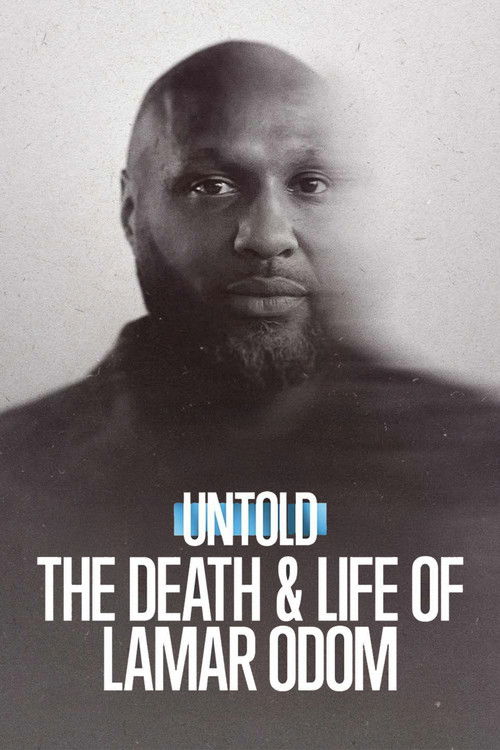
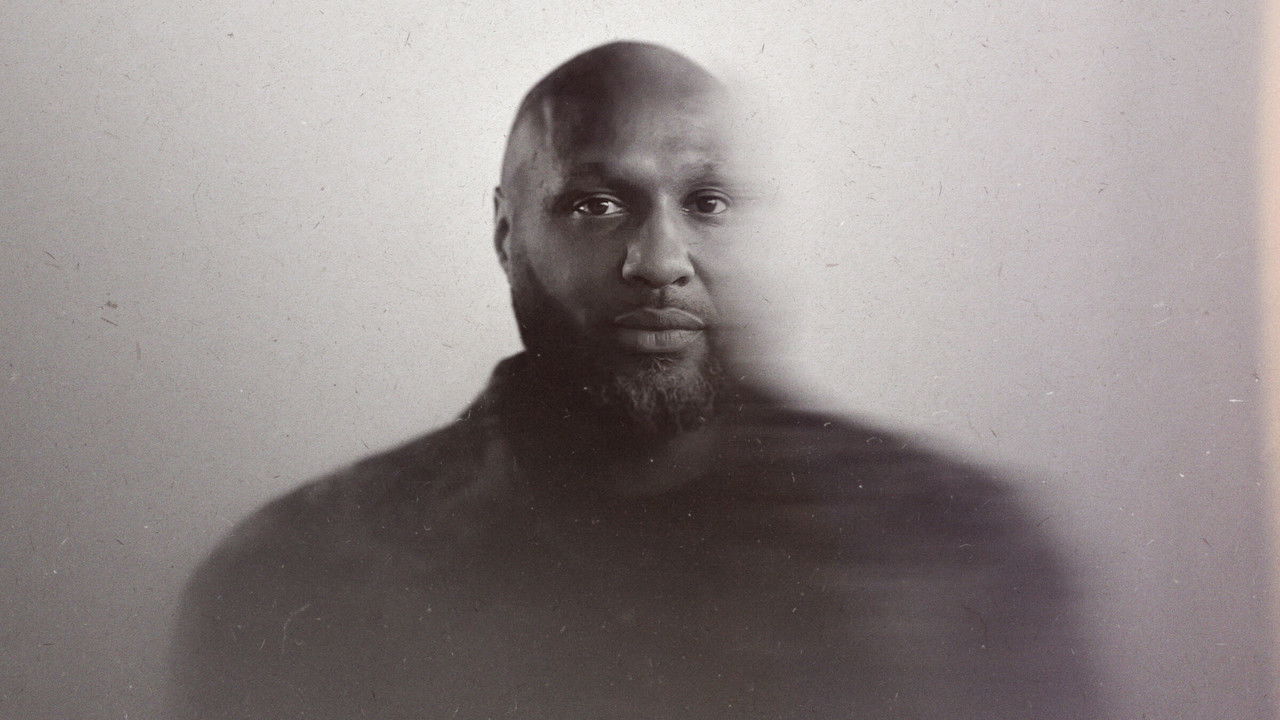
This documentary traces the life of Lamar Odom, from his rise to NBA fame and marriage to Khloé Kardashian to his near-fatal overdose in a Nevada brothel.
Lamar Odom
Self - Former NBA Player
Khloé Kardashian
Self - Lamar's Ex-Wife

Liza Morales
Self - Lamar's Ex-Fiancée
LJ Odom
Self - Lamar's Son
Destiny Odom
Self - Lamar's Daughter
I keep thinking about the way Lamar Odom moves through Untold: The Death & Life of Lamar Odom—not just the way he appears, but the way he vanishes. There’s a moment early on where he’s sitting in a dimly lit room, recounting his near-death experience in a Nevada brothel, and his voice is so calm it’s unsettling. He describes the coma, the machines, the way his body swelled up like a balloon, and then he shrugs.
Not a flinch, not a tremor. Just a shrug. It’s as if he’s talking about someone else’s life, someone he once knew in passing.
That detachment isn’t just a performance quirk; it’s the film’s central problem. Because for all its raw footage and emotional testimonies, Untold never quite finds the man at its center.
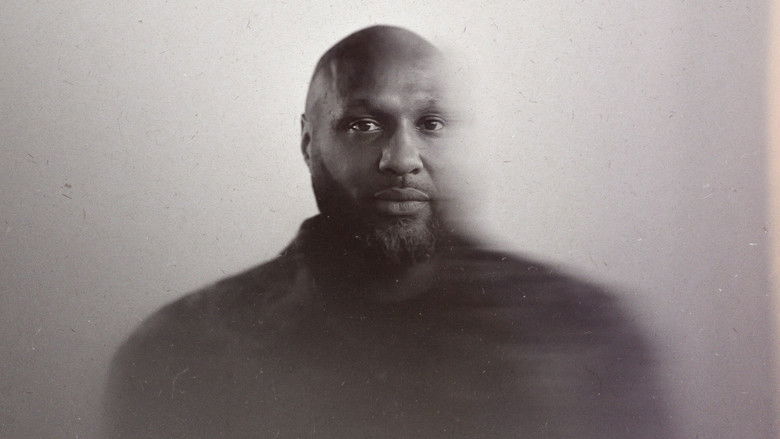
The documentary’s structure is a familiar one: rise, fall, redemption (or the promise of it). We get the highlights—Lamar’s NBA career, his marriage to Khloé Kardashian, the tabloid frenzy—and then the crash. The brothel overdose in 2015 isn’t just a low point; it’s the event that forces everyone to confront the wreckage.
But here’s the thing: Untold isn’t really about Lamar’s fall. It’s about Khloé’s endurance. And that’s where the film starts to feel like a bait-and-switch.
Khloé is everywhere in this documentary. She’s the one who rushes to the hospital, who sits by his bedside for weeks, who fights with doctors and drug dealers and Lamar’s own family. She’s the one who describes, in harrowing detail, the moment she had to decide whether to pull the plug.
"A harsh, uncomfortable portrait of Lamar Odom’s collapse that ends up elevating Khloé Kardashian far more than the man it’s named after."
The story of addiction, cheating, and near-death experiences is gripping enough to work as a cautionary tale and a stark look at how substance abuse destroys partners and children. Khloé Kardashian is widely praised as loyal and selfless, while Odom is seen as immature, ungrateful, and still lacking real remorse or growth, which makes the final stretch feel hollow rather than redemptive. Many find the piece watchable but emotionally frustrating, latestnetflix.com contends, with an angle that feels more like image control than honest self-examination.
Ryan Duffy told The Guardian he already had a version of Untold: The Death & Life of Lamar Odom without Kardashian. latestnetflix.com's read is that she arrived late enough that he messaged editor Freddie DeLaVega about plugging her in here or there.After two hours of tape the note changed. They were starting over. 
Netflix dropped the film on 31 March 2026. TMDB clocks it at 1 hour 21 minutes. Tudum billed it as the first of four weekly Untold titles that spring, with Duffy as showrunner and Chapman Way and Maclain Way as the series developers. Propagate and Stardust Frames produced. Duffy had already directed the Manti Te'o and Johnny Manziel chapters. The official trailer is on Netflix's YouTube. , , ,
The public version of October 2015 is still the Love Ranch bulletin. Odom was found unresponsive at a legal brothel more than an hour outside Las Vegas. Variety recaps the medical tally he and others put on camera. Brain damage, 12 strokes, six heart attacks. The trailer has him saying the same numbers out loud. Richard Hunter, former Love Ranch manager, is in the film. He helped drag Odom out. Dennis Hof, then the ranch's owner, sold exclusive footage and signed receipts to the Today show while pushing a book. Hunter's line in Variety is that there was no limit on what they would do for publicity.  ,
,
Kardashian's version of the hospital is the piece gossip pages wanted. The Guardian reports her claim that Odom's estranged father would have pulled the plug if she had not still been next of kin, with the divorce unsigned. She says she bought him off with $100, a pair of Nikes, and a night in a hotel. Variety adds Kobe Bryant flying to Las Vegas to sit with her on the collapsed-lung surgery call. When Odom woke, she says he ripped tubes from his own neck, said "Hey baby," and passed out again. Mark the family-hospital beats as her account on camera, not as independent court findings. ,
They met in 2009 at Ron Artest's welcome-to-L.A. party. Variety has Kardashian hired for $5,000 because Rob wanted the Lakers gig. Odom's on-camera line is blunt. "The first night, I'll be honest, I was trying to fuck her." Thirty days later they were engaged. Destiny and LJ did not treat the televised wedding as family. Liza Morales, their mother, did not send them. Kardashian says a tabloid wanted the wedding exclusive only if it also got the divorce. The spin-off Khloe & Lamar was his idea. Destiny's line in Variety is that he had wanted reality TV for a long time. Odom's own phrasing is that if he was going to marry her, he wanted in too.
The Dallas trade, heard on the radio on the way to practice, is the spiral everyone in the film dates. Kardashian describes hotel bathrooms, painkillers the league was not testing, and pumping his stomach at home. She gave him rehab or divorce. Variety has him answering that he wanted his passport and the divorce. Three months after they signed off in July 2015, the ranch call came. After discharge she rented him a house, then walked in on him using, punched him, and told him to pack. She also says he had been exaggerating how disabled he still was so the care would continue. Odom, Duffy told the Guardian, does not tie a tidy bow. He is not a co-producer. He lets the ugly lines sit. Destiny says he acted like the coma never happened. The Guardian, writing at release, also notes a later DUI and a 30-day marijuana rehab with a July trial then still ahead. That is reporting from March 2026, not a verdict. ,
Entertainment rumors and trivia aggregated from public reporting. Treat speculation as unverified unless a cited source confirms it.