Harry Styles
Self
“IT FINALLY APPEARS IT’S ONLY LOVE”
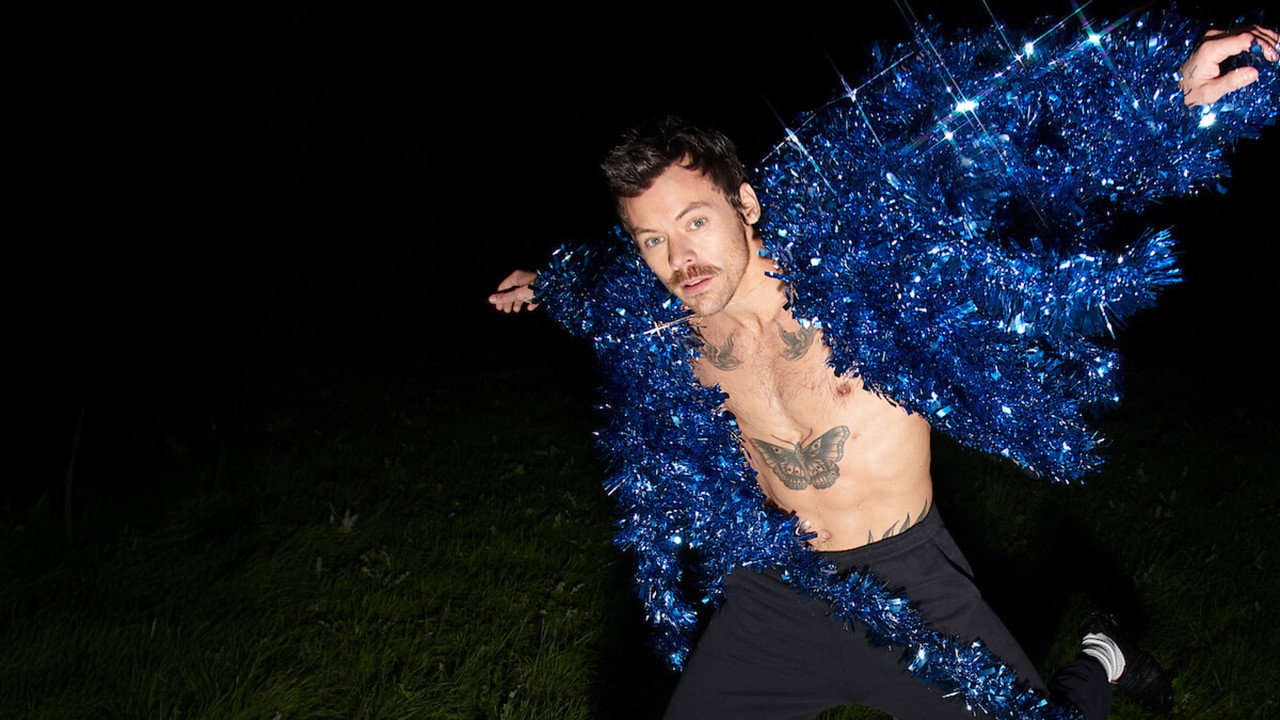
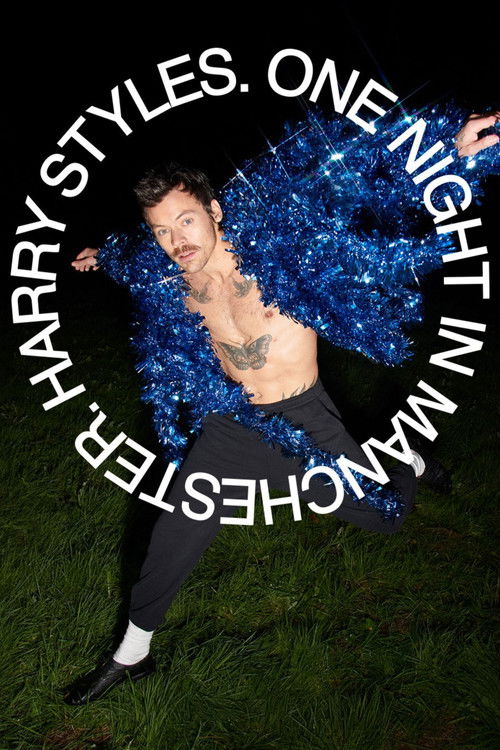
In a special one off concert in Manchester, recorded on the evening of March 6, Harry Styles played his new album, ‘Kiss All The Time. Disco, Occasionally.' for the very first time.
I’ve never been to a Harry Styles concert, but after watching Harry Styles. One Night in Manchester, I feel like I’ve been to one too many. That’s not a complaint—it’s the film’s quiet triumph.
It doesn’t just document a performance; it manufactures nostalgia for an event most of us never attended. And in 2026, when live music is either a TikTok clip or a hologram, that’s no small feat.
Paul Dugdale, the director, has made a career out of turning concerts into cinema. His work on Adele: Live at the Royal Albert Hall and Taylor Swift: The Eras Tour proves he knows how to make a crowd of 20,000 feel like an intimate gathering. But here, he’s working with a different kind of alchemy.
Styles isn’t just a performer; he’s a cultural mood board, a walking question mark about what pop stardom looks like when it’s stripped of its usual armor. The film leans into that ambiguity, framing him as both ringmaster and guest of honor at his own party.

The first thing you notice is the sound. Not the music—the absence of phones. The film opens with a shot of the crowd, thousands of disposable cameras flashing like fireflies in a jar.
It’s a gimmick, sure, but an effective one. The no-phone policy isn’t just a logistical choice; it’s a narrative device. It forces the audience (both in the arena and at home) to be present, to exist in the moment rather than document it.
The result is a concert film that feels unusually alive, even as it’s meticulously edited. The crowd shots aren’t just filler; they’re a character in the story. You see the collective breath-holding before the first notes of From the Dining Table, the way bodies sway in unison during Sign of the Times.
It’s communal in a way that feels almost anachronistic, like a throwback to a time before every concert was a sea of glowing rectangles.
But then there’s the other side of that coin. The film’s most jarring moments come when the editing feels too polished, when the crowd reactions seem curated rather than spontaneous. One reviewer called it "a highlight reel of emotions," and they’re not wrong.
"A euphoric, emotionally charged concert film that bottles the joy and intimacy of a Harry Styles show with unusually polished sound and staging."
The performance is praised as electric and heartfelt, with Styles’ charisma, musicianship, and the no-phone atmosphere creating a sense of being at a genuinely special event. Sound quality and band chemistry stand out, and the debut of the new album live is described as life-changing for some, though a few remarks note that certain crowd shots feel over-produced and the focus on the new material limits older hits.
Harry promised one intimate night, but the drama’s been going on for months. From mystery shout-outs and missing speeches to furious fans and engagement chaos, Harry Styles. One Night in Manchester. might be the most polite-looking scandal magnet of 2026.
Bottom line: for something billed as “one night only,” Harry Styles’ Manchester moment has spawned months of gossip – equal parts romance, resentment, and retro camera flash. And knowing this fandom, they’ll be dissecting every frame, every cut line, and every mysterious “Carla” for years to come.
Entertainment rumors and trivia aggregated from public reporting. Treat speculation as unverified unless a cited source confirms it.
Movies
Related titles ranked by rating and popularity.