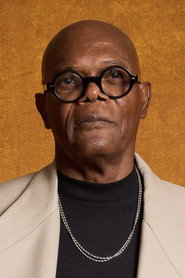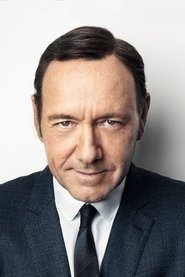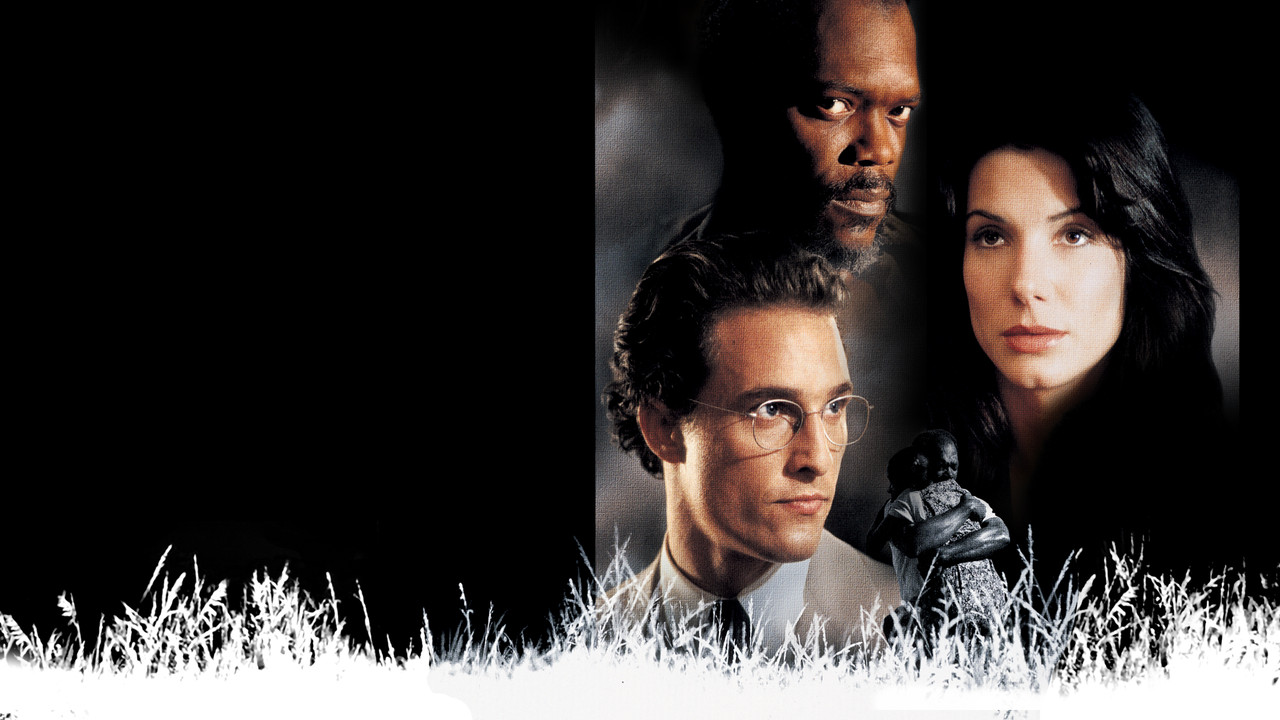

Matthew McConaughey
Jake Brigance
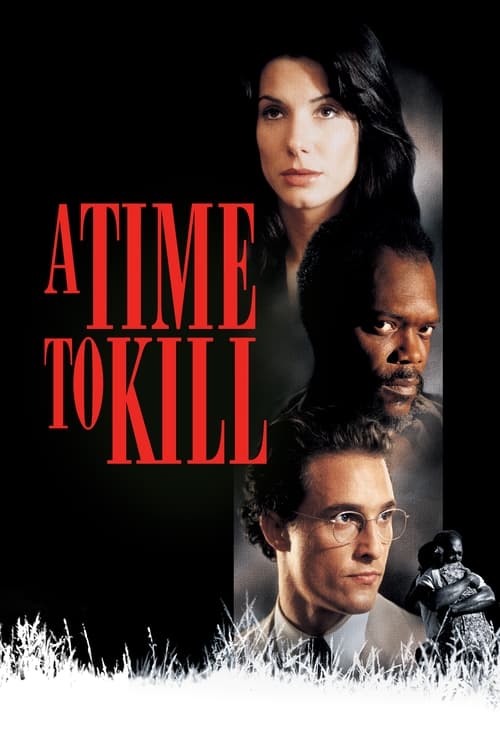
“Experience a time you'll never forget.”
A young lawyer defends a black man accused of murdering two white men who raped his 10-year-old daughter, sparking a rebirth of the KKK.
I keep coming back to the opening nightmare in A Time to Kill — not because it’s subtle, which it isn’t, but because it tells you exactly what kind of movie Joel Schumacher is making. This is a film about grievance that refuses to stay theoretical. The violence happens off the screen first, in the mind, and then the movie spends the rest of its long, feverish running time asking what a community does with that violence once it has a name, a defendant, and a courtroom.
Schumacher had already made a career out of surfaces that mean more than they seem to: neon and shame in St. Elmo’s Fire, glossy panic in The Lost Boys, moral rot in Falling Down. Here, he takes John Grisham’s bestseller and turns it into something overheated and oddly sincere, a Southern Gothic legal thriller that’s as interested in public theater as it is in justice.
Some of that works. Some of it feels like a movie straining under the weight of its own righteous pulse. But I admire how unembarrassed it is about wanting to matter.
The conversation around the film, at least now, seems to have settled into a few familiar tracks. It was a big hit, another piece of the 1990s courtroom-drama boom, and it also landed in the middle of a broader Hollywood habit of turning racial terror into mainstream suspense. That’s the uneasy part.
The film wants to be a moral argument, but it’s packaged like a crowd-pleasing procedural, with speeches that bloom under the lights and villains who wear their hate with such theatrical clarity that you can practically hear the screenplay underlining them. Still, the movie wasn’t wrong to recognize how popular culture had room for stories about white supremacy and the law if they were framed as entertainment.
That tension is the whole thing.
What makes it more interesting than a blunt issue movie is Schumacher’s sense of space. Mississippi here is less a location than a pressure system. He lets the town sit in its own heat: the dry streets, the courthouse steps, the lurking pickups, the faces at the margins of every shot.
The camera often seems to be waiting for someone to look back at it. When the Ku Klux Klan is reborn in the film, it doesn’t feel like a twist so much as the ugliness finally stepping out from behind the curtains. Schumacher stages that ugliness with a blunt visual grammar — robes, torches, night air thick with menace — but he also understands the seduction of public violence.
These men aren’t just hateful; they’re performing certainty.
I’m not sure the film’s most famous strategy is entirely dignified, but it is effective: it asks the audience to imagine the little girl at the center of the case and then keeps returning to the pressure her father feels to answer cruelty with cruelty. That’s where the movie has something real to say, even if it says it loudly. The law, in this telling, is a weak shelter.
Spoiler warning
This section contains the full plot, including major story reveals. Overview above stays spoiler-free.
Movies
Related titles ranked by rating and popularity.