
Derrick Stroup
Self
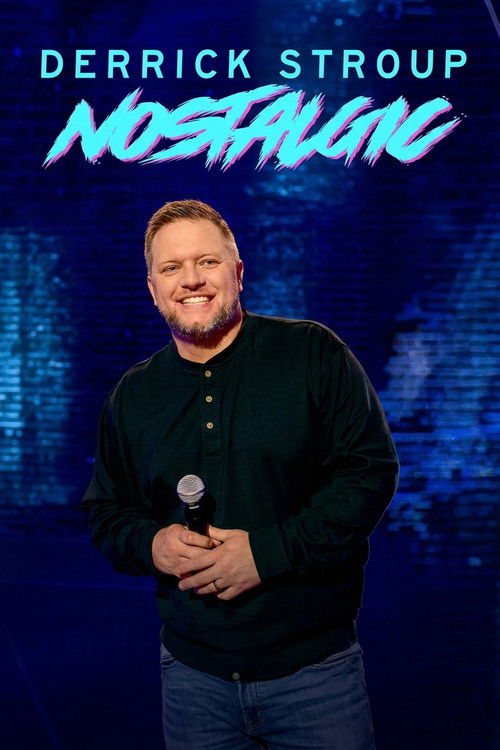
Stroup dives into his experience being a '90s kid in rural Alabama and everything that came along with it.
I keep thinking about the moment Derrick Stroup describes the school bus as the “dark web of the ‘90s.” Not because it’s the funniest bit in his Netflix special Nostalgic—though it is—but because it’s the one that feels like it could only come from someone who actually lived it. The way he mimics the driver’s voice, the way the kids would pass notes like contraband, the way the whole thing was a lawless society where the only rule was “don’t get caught.” It’s not just a joke; it’s a time capsule. And that, more than anything, is what this special is selling: the idea that the past wasn’t just simpler, but weirder.

Stand-up comedy about nostalgia is a tightrope walk. Lean too hard into the “remember when?” and you risk sounding like a museum tour guide. Lean too hard into the “kids these days” and you become your uncle at Thanksgiving.
Stroup, for the most part, manages to stay upright. His version of the ‘90s isn’t the sanitized, sepia-toned version we get in reboot culture. It’s the ‘90s of gravel driveways where you’d skin your knees, of sibling fights that escalated into full-blown wars, of a time when the internet was something you dialed into and then immediately hung up on when your mom picked up the phone.
It’s the ‘90s as lived by a kid in rural Alabama, which is to say: it’s specific, it’s tactile, and it’s his.
The special’s best bits are the ones where Stroup’s auctioneer-like cadence—fast, rhythmic, almost musical—collides with the mundane. There’s a bit about elevator buttons that’s so simple it shouldn’t work, but the way he builds it, the way he sells the absurdity of people refusing to press their own floor, is masterful. It’s the kind of joke that doesn’t just make you laugh; it makes you remember.
"A warm 90s nostalgia trip that hits hard for those who relate to it, but uneven pacing and familiar generational riffs keep it from winning over everyone."
Nostalgia for 90s childhood, small-town Alabama life, and pre-internet quirks is where the special connects most, with several bits about traffic etiquette, elevator buttons, aisle seats, and snack habits singled out as laugh-out-loud moments. The set is appreciated for being clean, energetic, and surprisingly relatable, though the opening stretch feels slow and under-polished to some and the reliance on generational gripes and familiar observations leaves others unmoved or completely unamused.
If you were hoping Derrick Stroup: Nostalgic would come with a side of arrests, affairs, and behind‑the‑scenes blowups…sorry, babe. This is the rare Netflix comedy hit where the wildest thing happening offstage is a very committed marriage and some aggressive Waffle House enthusiasm. But don’t worry — there is still some fun tea to sip.
For fans of Derrick Stroup: Nostalgic hoping for meltdown energy and messy headlines, the tea is lukewarm — but in the nicest way possible. The special’s “gossip” is basically that a former Alabama bar owner with a loud auctioneer cadence, a stable marriage, and a mentor in Nate Bargatze quietly dropped one of Netflix’s cleanest hit specials of 2026…with almost no drama attached.
In a year of chaotic comedy scandals, the real plot twist is that Nostalgic might be the only Netflix special where the wildest thing happening offstage is absolutely nothing.
Entertainment rumors and trivia aggregated from public reporting. Treat speculation as unverified unless a cited source confirms it.
Movies
Related titles ranked by rating and popularity.