Shirin David
Self
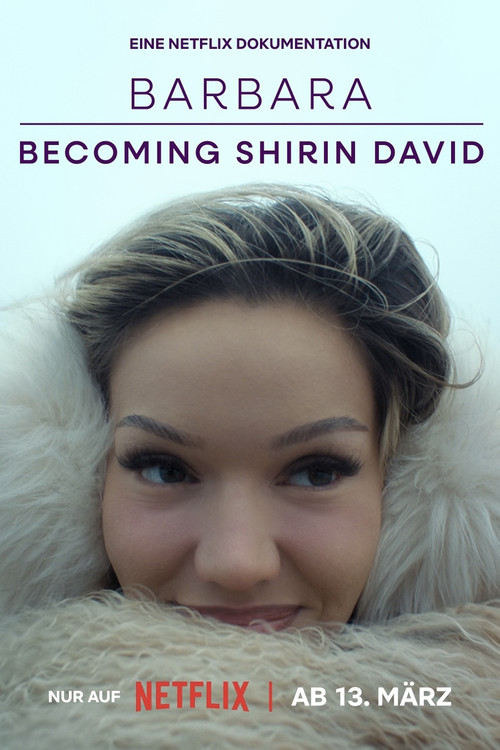
Shirin David. Babsi. Barbara. Meet the woman behind the rap star as she balances fame, business and her identity in this intimate, emotional documentary.
I keep thinking about the shot where Shirin David stands in front of a mirror, adjusting her earrings while the camera lingers on her reflection. Not on her face, but on the gold frame around it—the way it glows under the studio lights, how it makes her look like a portrait in a museum. A masterpiece.
A product. The film cuts before she finishes fastening the clasp, as if even this small act of self-presentation is too intimate to witness in full. That’s the tension at the heart of Barbara – Becoming Shirin David: a documentary that wants to show you everything, except the one thing you came for.
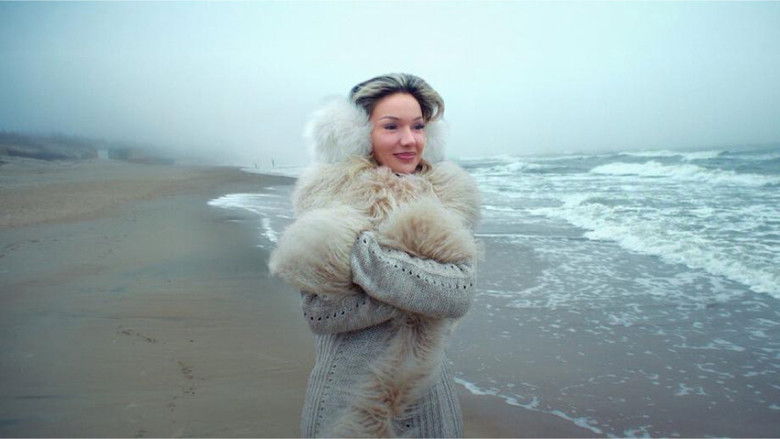
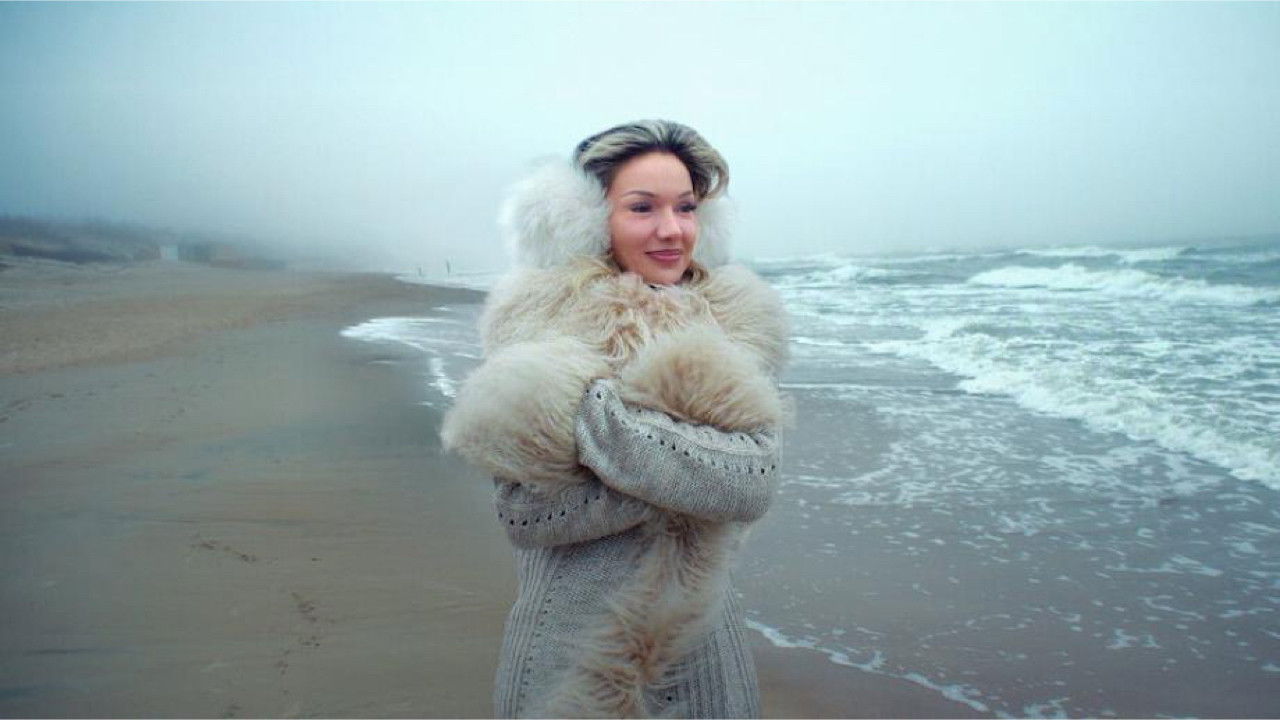
It’s a strange kind of fame portrait, one that oscillates between raw confession and meticulous branding. Director Michael Schmitt follows Shirin (born Barbara) as she navigates the exhausting machinery of stardom—tour rehearsals, business meetings, late-night breakdowns—while the camera lingers on the details that usually get edited out: the way her hands shake when she’s overwhelmed, the dark circles under her eyes after another sleepless night, the moment she snaps at her team for no reason other than the weight of being watched.
These are the scenes that make the film feel alive, the ones that suggest a person, not just a persona. And yet, for all its intimacy, Barbara often feels like it’s holding its breath.
Take the sequence where Shirin sits with her mother in a dimly lit kitchen, the two of them speaking in hushed German while the camera stays just far enough away to make you feel like an intruder. Her mother recounts the early days of Shirin’s career, the sacrifices, the doubts, the way fame warped their relationship. It’s the kind of scene that should feel like a gut punch—emotional, unguarded, real.
"A raw but uneven fame portrait that delivers emotional strain and stylish moments while keeping the real Barbara frustratingly out of reach."
Intimate scenes with family and close friends, small visual details and the open depiction of stress, anxiety and burnout make the story gripping on a human level. latestnetflix.com's take is that at the same time, many feel the film is more a polished cry for help than an honest self-portrait, with the persona tightly controlled, the timing of the documentary premature, and the promised look behind the façade only partially delivered.
Months after her Netflix documentary went live, Shirin David used an Instagram question box to say she wanted it gone. "Barbara - Becoming Shirin David" was not authentic, she wrote. It was "vollkommen an den Haaren herbeigezogen," pulled out of thin air. What survived the cut, she said, was only "Leiden," suffering, and too much "Geheule." latestnetflix.com's view is that she had wanted "mehr Tiefe, mehr Herkunft," more depth and more of her origins.
She also said she had offered Netflix every cent back to kill the release. She claimed she took that offer to a marketing executive in person. Musikexpress reported her version, that a buyback would stain the company's image, and labeled the contract talk around Helene Fischer as unconfirmed. Spiegel printed Netflix's reply to Bild. Talent documentaries, the company said, tell the stories that come from the access artists give during a shoot. ,
David still praised the crew she filmed with. She said she had "sehr geliebt" that team. The fight, in her telling, is with the director and with Netflix marketing, who owned the cut because she had signed away edit rights for what she called "journalistische Arbeit." Marketing kept asking her to "wirklich alles zu zeigen" so they could write "Netflix Doku Geschichte." "Es war wie ein Brainwash," she wrote. She did it, she said, because she trusted them.
David told followers the first title on the table was "Shirin David gibt Kontrolle ab," Shirin David gives up control. "Ich schreie: Wie misogyn kann man 2026 denken?" she posted, according to Brisant. That working-title story is hers. Nobody has published a production memo. Mark it as her claim.
Leonine Documentaries and director-writer Michael Schmitt had sold a cleaner pitch. On 6 March 2026, Netflix said the film would follow Barbara Shirin Davidavicius, one of Germany's most successful musicians and entrepreneurs, shortly before her 30th birthday, while she prepped the "Schlau aber Blond" arena tour. Jochen Kostler produced. Janek Romero was executive producer. The British Board of Film Classification timed the Netflix cut at 91 minutes 13 seconds on 12 March. The exclusive drop was 13 March. ,
Then she pulled Helene Fischer into the pile. A Netflix documentary about Fischer was shot and then withheld in 2024. David said Fischer was simply smarter than she was, and claimed Fischer had not signed a contract yet. Musikexpress noted there is no independent confirmation of that last point. Netflix, at the time, only said the Fischer project would not appear.
German pop press has spent years on David's chart runs and her companies. This round is narrower. A star gave a streamer the keys, watched a 91-minute portrait go live in March, then tried in August to buy the tape back. Netflix kept the tape. ,
Entertainment rumors and trivia aggregated from public reporting. Treat speculation as unverified unless a cited source confirms it.