Love Is Blind: The Reunion backdrop
Love Is Blind: The Reunion poster

Love Is Blind: The Reunion

2.0
2026
1h 32m
Documentary
Director: Brian Smith
Watch on Netflix

Overview

After the weddings, the Pod Squad from 'Love Is Blind: Ohio' shares relationship statuses and receipts in this tell-all reunion special.

Sponsored

Trailer

Love is Blind: The Reunion | Season 10 Sneak Peek | Netflix Official

Cast

Reviews

AI-generated review
The Architecture of Public Penance

There is something inherently claustrophobic about the "Love Is Blind" reunion, a format that has essentially turned the messy, private architecture of modern relationships into a gladiatorial arena. When I sat down to watch the 2026 reunion for the "Ohio" season, directed by Brian Smith, I wasn’t expecting a profound meditation on the human condition. I was expecting the usual: the receipts, the tears, and the uncomfortable silence that fills the air when two people who once promised each other forever realize they barely know how to coexist in a room. But what I found was a strange, almost ethnographic study of how we perform regret when cameras are rolling.

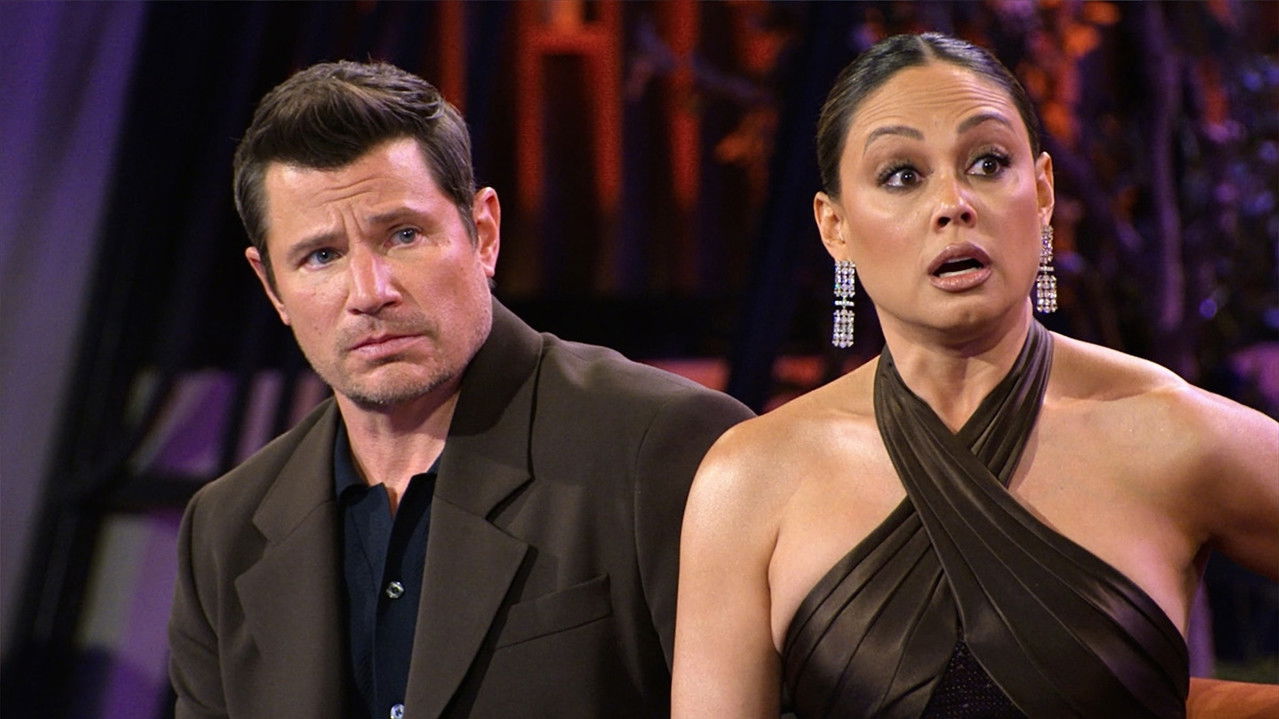
The stage setup for the reunion, showing the bright, sterile lighting and the circular seating arrangement

It’s impossible to ignore the role of the Lacheys here. As hosts, they function less like moderators and more like high priests of a cult whose central tenet is radical transparency. There’s a specific, weary tightness around Nick Lachey’s eyes—the look of a man who has heard this exact argument about "miscommunication" and "boundaries" a thousand times over the last few years. He doesn't interrogate so much as he exhales, steering the conversation toward the cliff’s edge, waiting for one of the cast members to finally jump. It’s a cynical sort of journalism, but it works precisely because it weaponizes the very idea of "truth" that the show ostensibly claims to be searching for.

The standout performance this time—if we can call it that—comes from Ashley Adionser-Francis. Watching her navigate the wreckage of her marriage to Connor Moore was a masterclass in controlled deconstruction. Throughout the season, she played the archetype of the "rational partner," the one holding it all together while everything else burned. But here, stripped of the editing room’s ability to soften her edges, you could see the cracks forming in real-time. Notice the way she grips her water glass—her knuckles white, her posture rigid, shoulders pulled toward her ears as if she’s physically bracing for a blow. She’s not just recounting a fight; she’s reliving the isolation of it.

A close-up of a contestant wiping away a tear, reflecting the high-stakes emotional environment of the reunion

Critics have often dismissed this genre as junk food, but that ignores the fascinating way it mirrors our own messy digital lives. As *The Guardian’s* Arwa Mahdawi once noted about similar spectacles, these shows often feel like "a car crash you can't look away from, but where the victims are trying to sell you a meal kit." Yet, beneath the commercial veneer, Smith’s direction forces a kind of brutal intimacy. He keeps the camera close—uncomfortably close—on the faces of people who have been betrayed or who are doing the betraying. It’s an exercise in voyeurism, sure, but it also captures a very specific, modern kind of humiliation: the need to explain your private failures to a studio audience that has already decided who the villain is.

Consider the segment involving Brittany Wisniewski. It was the only moment in the night where the artifice truly shattered. She wasn't playing to the crowd. She wasn't trying to land a witty, social-media-ready zinger. She was just sitting there, visibly exhausted by the narrative that had been constructed around her. When she finally spoke, her voice wasn't the polished, rehearsed tone of a reality star; it was flat, monotone, and laced with the kind of genuine indifference that is far more devastating than any scripted outburst. It was the sound of someone who had simply stopped caring about being loved by the public, provided they could finally be left alone.

The studio lights dimming during a tense, quiet moment between cast members

I’m not entirely sure what we, the audience, are meant to take away from these spectacles. Are we learning about love? Probably not. If anything, we are learning about the endurance of the ego under pressure. We watch these people subject themselves to this public purging, trading their dignity for a moment of validation, and we tell ourselves we’re just being entertained. Maybe that’s the real tragedy. It’s not that the love isn't real; it's that the love is being treated as the currency, and in this economy, the exchange rate is always terrible. By the time the credits roll, I’m left with that familiar, hollow feeling—not because the show ended, but because I know, deep down, that we’ll all be back here again, watching the next group of people try to perform their own salvation for the cameras.