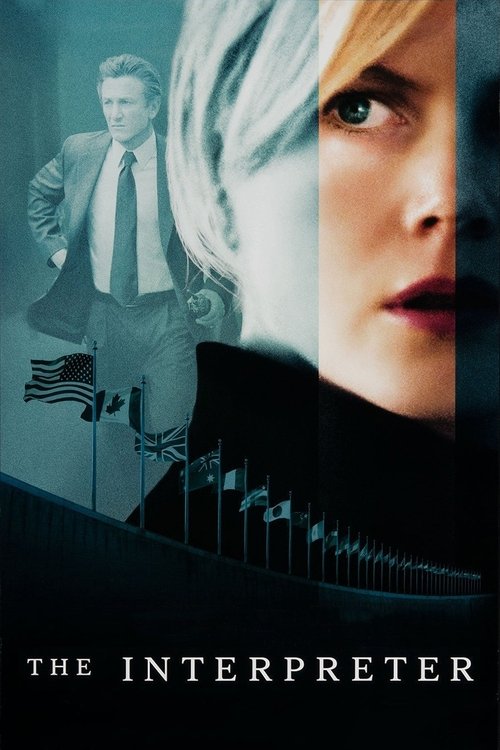
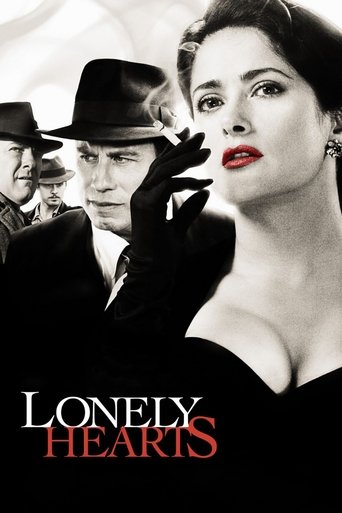
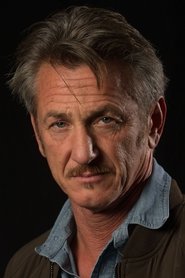
After Silvia Broome, an interpreter at United Nations headquarters, overhears plans of an assassination, an American Secret Service agent is sent to investigate.
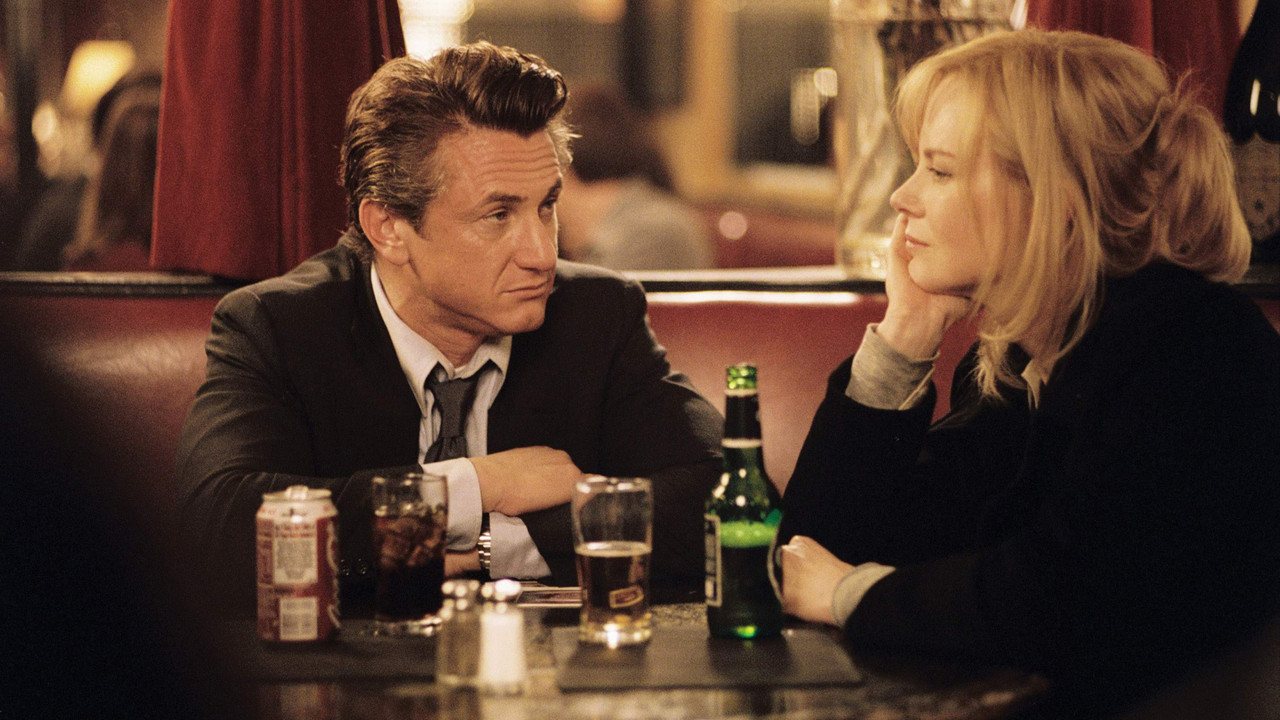
Why is it that every movie about a corrupt African dictator has to have a made up African country? Anyway, this particular film is a bit of a snoozefest. Sean Penn is a secret service agent in charge of keeping Nicole Kidman safe from the opposite of Wakanda -- however, is the opposite of Wakanda safe from Nicole Kidman...? This movie was shot juuust before the iPhone came out, so if you are looking for a time capsule of New York City around that time then I guess this fits the bill. At one point, Kidman glances longingly at a flute, and I had the thought that it would be awesome if there was a melodramatic flute interlude... and then there *was* one! Another brief taste of passability comes when Penn and his agents set up shop in an apartment directly across from Kidman's -- what was she doing with the curtains open in the first place? The best use for a copy of this film is to give it as a Secret Santa gift to some loser who wants to work for the UN, because God knows they can use all the help they can get...
"A thoughtful UN-set thriller powered by strong lead acting and classy craft, but held back by slow pacing and a conventional, sometimes contrived plot."
Nicole Kidman and Sean Penn earn consistent praise for nuanced, grounded performances that give emotional weight to the political intrigue, helped by elegant visuals, a tense score, and the distinctive use of UN locations. At the same time, the story is often called formulaic and overlong, with a second half and finale that feel less sharp than the setup, plus stretches where conversation overwhelms suspense and action.
What viewers praise
Compelling lead performancesKidman and Penn are frequently singled out for believable, layered work that keeps the drama engaging even when the plot stumbles.
Atmospheric UN settingThe rare access to UN interiors and the focus on diplomacy and language give the film a distinctive, grounded political backdrop.
Polished cinematographyViewers consistently praise the clean, stylish look and use of close-ups and cityscapes that enhance tension and mood.
Serious, adult toneThe film is appreciated as a grown-up, talky thriller that emphasizes character, politics, and ethics over big set pieces.
Strong supporting elementsDirection, music, and production values are seen as solid to excellent, helping the film feel classy and well-crafted.
Common complaints
Uneven and slow pacingMany find the film drags, with scenes that feel stretched and a middle and late section that lose the tightness of the opening.
Predictable and contrived storyTwists and resolutions are often described as obvious or manufactured, undercutting the sense of real danger or surprise.
Inconsistent character chemistryOpinions on the relationship between the two leads are split, with some feeling little emotional or romantic spark between them.
More drama than thrillerThose expecting a high-tension, plot-driven political nail-biter are disappointed by the emphasis on dialogue and introspection over action.
Unconvincing finaleThe climax and ending are criticized as less believable and less impactful than the careful buildup promises.
Recommended for
Political thriller enthusiasts Nicole Kidman admirers Sean Penn admirers Slow-burn suspense fans Dialogue-driven drama lovers UN and diplomacy fiction fans
Buzz & Rumors
Public reports
UN SECRETS & OSCAR DREAMS: THE JUICY REAL-LIFE DRAMA BEHIND THE INTERPRETER (2005)
Political thrillers are supposed to be tense, but nobody told us the real suspense around The Interpreter would be in the diplomats’ lounge, the Zimbabwean cabinet room, and the critics’ columns. Buckle up: the movie that put Nicole Kidman in the UN also put a few powerful noses out of joint.
On-Set & UN Drama: When Ambassadors Wanted SAG Cards
While Nicole Kidman and Sean Penn were stalking terrorists through the UN’s corridors, real ambassadors were plotting something else: screen time. Spain’s UN ambassador Inocencio Arias openly moaned that he’d been cut out at the last minute after dreaming of being in a Sydney Pollack movie. He joked that “some stupid regulation of the unions” had robbed him of his shot at an Oscar nomination .
Jordan’s Prince Zeid Al Hussein was just as theatrical. His parents had once been extras in Cleopatra, and he wanted to keep the family tradition going. Instead, he was left fuming from the sidelines, saying it was “a great shame we weren’t allowed to have bit parts,” especially since diplomats know all about interpreters – and hot-mic mishaps – in real life [2].
Director Sydney Pollack tried to play it diplomatic, insisting, “It’s a UN decision, not mine… If they let one, they have to let all 191 ambassadors perform” [2].
The UN, meanwhile, basically said, “Don’t blame us.” Communications chief Shashi Tharoor clarified that ambassadors could do whatever they wanted – as long as their governments and the filmmakers agreed – and pointed out the UN doesn’t actually employ ambassadors [2]. Translation: take it up with Hollywood, not us.
Scandals & Controversies: Banned, Branded, and Misinterpreted
Over in Zimbabwe, the reaction made the UN soap opera look tame. The fictional African country of Matobo and its tyrant leader Edmond Zuwanie were seen as not-so-subtle stand‑ins for Robert Mugabe and Zimbabwe .
Zimbabwe’s government went full conspiracy mode: Information Minister Chen Chimutengwende denounced The Interpreter as CIA-backed propaganda, accusing the film of being part of a Western campaign to demonize Mugabe’s regime [3].
The movie did screen for two weeks in Harare cinemas before the backlash kicked in, but it was ultimately banned – officially for “promoting anti-government propaganda” [3].
Commentators and social media posts later leaned into the parallels, claiming the story was based on a real assassination plot against Mugabe himself – a spicy theory that remains unconfirmed but persists in fan and political chatter [4].
Cast Feuds & Chemistry Issues: Ice-Cold at the UN
No screaming matches or trailer-smashing tantrums have leaked from set – but the real “feud” was between the movie and, well, sexual tension.
Multiple critics dragged the Kidman–Penn pairing for being about as steamy as a Security Council subcommittee. One New York review bluntly declared there was “absolutely no chemistry between Kidman and Penn” and dismissed Kidman as “simply a beautiful woman in this film” .
On fan forums, viewers complained that Kidman “seemed half dead” and “far too tired and washed out,” with some saying the lack of connection made it hard to buy into any emotional stakes between the leads .
Some reviewers flipped the script and argued that the absence of a tacked-on romance actually made the thriller stronger, but the “no chemistry” verdict has stuck to the film like a bad headline .
Casting & Accent Tea: Naomi, Nicole, and the Mythic Language of Ku
Longtime gossip around the film claims that Naomi Watts was initially in line for the lead but backed off out of loyalty to her real-life bestie Nicole Kidman. It was “widely claimed” in fan circles and social posts that Watts turned down The Interpreter because she knew Kidman wanted it more – a very chic, very unconfirmed tale of actress solidarity .
For the role, Kidman went deep: she trained with coaches to speak “Ku,” a completely invented African language created for the film by linguist Said el-Gheithy and used as Matobo’s lingua franca .
But while her fluency in fake Ku impressed some, her South African accent in English was another story. Critics and reviewers noted it “seems to come and go” , and one BuzzFeed list later lumped it in with some of the “worst accents” attempted by otherwise great actors .
The Guardian couldn’t resist poking fun either, gleefully highlighting the surreal sight of Kidman speaking an entirely made-up tribal language as if it were the most natural thing in the world .
Wild Trivia & Final Farewell: Pollack’s Last Big Bow
Behind all the gossip, The Interpreter carries a bittersweet footnote: it was Sydney Pollack’s final feature as a director before his death from cancer in 2008 .
Obituaries and retrospectives later revealed he’d been grappling with health issues in the years after the film, adding a poignant layer to a movie obsessed with mortality, justice, and second chances [13][14].
So while the ambassadors never got their close-up and Zimbabwe banned it from their cinemas, The Interpreter quietly doubled as Pollack’s own exit line from the director’s chair – complete with global politics, diva diplomats, and one very controversial accent.
Entertainment rumors and trivia aggregated from public reporting. Treat speculation as
unverified unless a cited source confirms it.