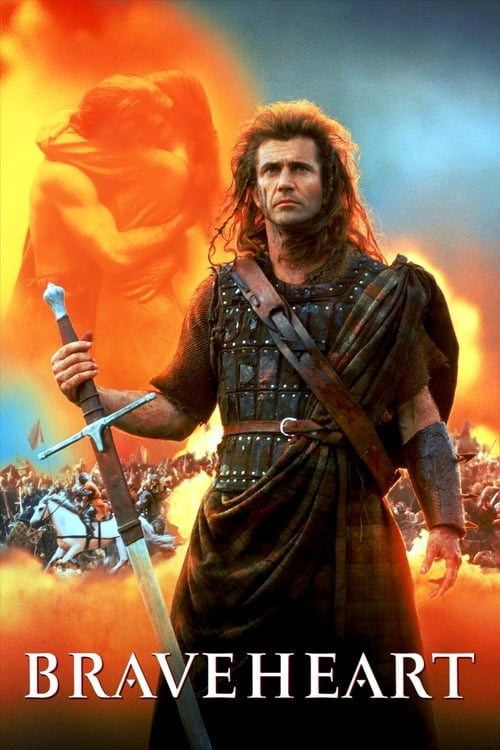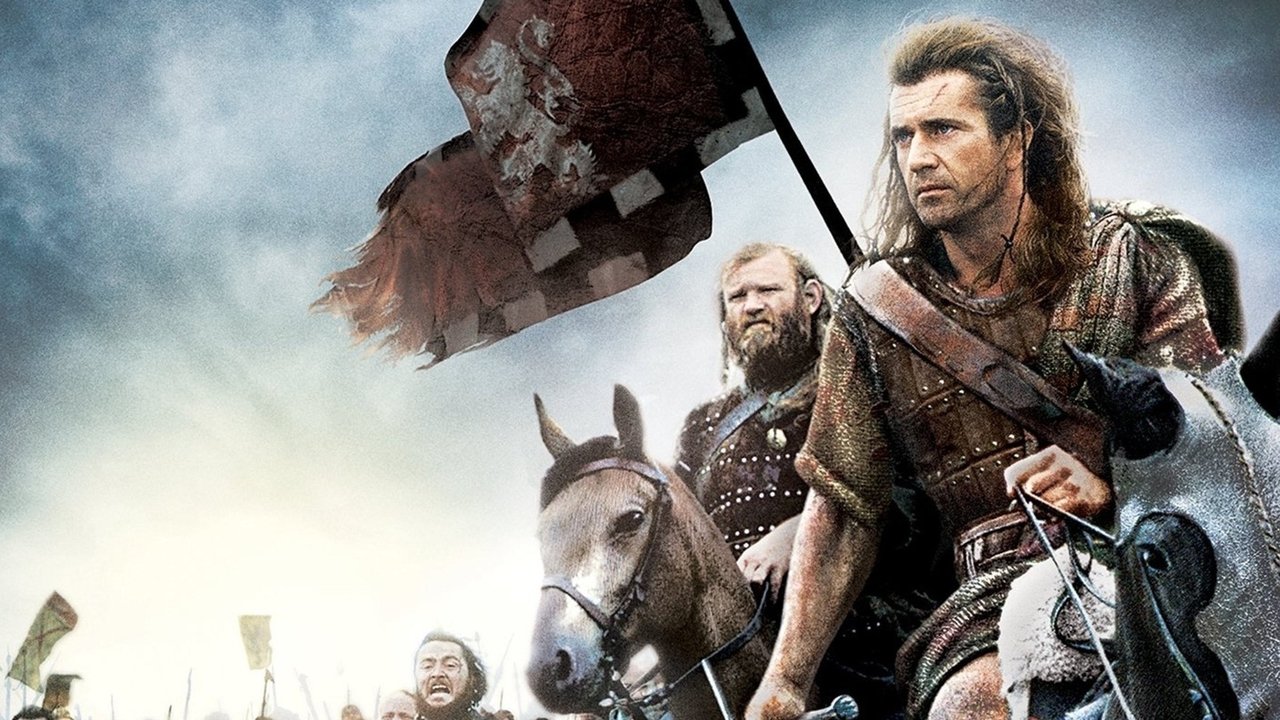
Blood, Mud, and MythI don’t know when we all agreed historical epics had to double as homework. Maybe it was the moment the internet turned everyone into a specialist in thirteenth-century Scottish textiles. Mel Gibson’s *Braveheart* is famously—almost defiantly—inaccurate. There’s no bridge at the Battle of Stirling Bridge. The Scots weren’t wearing kilts yet, and Princess Isabella was a toddler in France while William Wallace was out in the Highlands swinging a claymore.
But getting hung up on the trivia misses what the movie is actually doing.
Gibson wasn’t trying to make a documentary. (He later admitted the real Wallace was a "monster" who reeked of smoke and burned villages—nothing like the wide-eyed martyr on screen.) After *Dances with Wolves*, he asked Kevin Costner for advice, and Costner reportedly gave him one directive for directing a historical epic: "Big". Gibson took that to heart. The film runs on campfire-legend logic. Everything is painted in primary colors—good and evil, love and revenge, freedom and tyranny.

It’s so physical you can practically feel grit under your nails. Look at how the camera moves during Stirling. John Toll’s cinematography doesn’t hover above the fight like some neutral historian. It drops right into the mud with the infantry. When the English heavy cavalry charges, Gibson stretches the suspense until it’s almost cruel. Tight, suffocating close-ups: terrified faces, sweaty foreheads, hands shaking around sharpened wooden stakes. Then the collision—metal on bone. The sound is thick and wet. It’s not just impact you’re watching; it’s the awful, muddy weight of medieval violence.
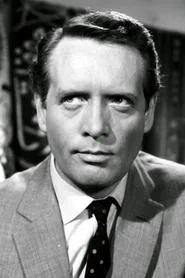
I’ve always cared more about the quieter stretches than the battles, though—especially the way Patrick McGoohan steadies the other side of the war.

McGoohan’s King Edward "Longshanks" is pure cold-blooded reptile, and it’s inspired casting. Years earlier, he famously refused to play James Bond because the character’s casual violence and womanizing clashed with his strict Catholic morals. Now he’s here, decades later, as a monarch so casually sadistic he tosses his son’s lover out a castle window. He doesn’t bark orders; he barely raises his voice. Rigid posture, hooded eyes, contempt in every look. While Gibson charges around yelling and smeared in blue woad, McGoohan wins with a whisper and a sneer. That clash—Wallace’s feral heat against Longshanks’s bureaucratic chill—is what really powers the movie.
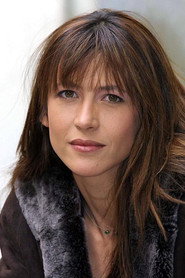
Sure, it can be a lot. The romance with Sophie Marceau’s Isabella absolutely stalls the momentum, and sometimes the sincerity tips into something close to ridiculous. In a Guardian retrospective, critic Jesse Hassenger wrote that the film "is its own form of expensive fantasy... selling the power of its own brawny dumbness". That sounds right. But it’s a very particular kind of dumbness—and it’s wildly effective.

Gibson knows how to skip the brain and hit the gut. Take the execution. It lingers forever. You watch Wallace’s body give way, his face pulled into pure pain. The crowd shifts from baying for blood to pleading for mercy. And then that one word—Gibson arching his neck, eyes up, dragging "Freedom!" up from somewhere deep. It makes no sense. It isn’t history.
And it still lands. Even now, with every flaw and fabrication in view, the movie can leave you feeling bruised.