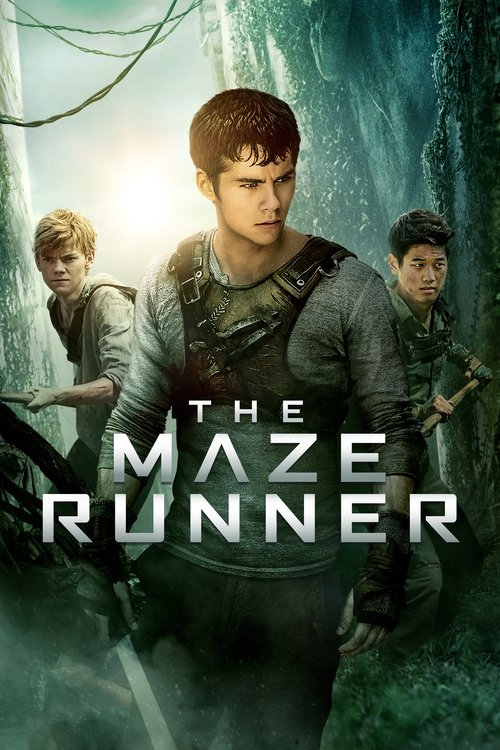

The Architecture of AdolescenceBy 2014, the phrase "young adult dystopian adaptation" already had the power to make you sigh. The multiplex was full of chosen ones, authoritarian factions, and anxious teenagers drafted into saving the future. Wes Ball’s *The Maze Runner* lands in that pile and sidesteps the usual clutter. It doesn't rush to explain its universe. It throws up a wall, locks the gate, and asks a much meaner question: can you make it through the night?
I keep coming back to the opening. A boy jolts awake inside a freight elevator screaming upward, fighting for air in total blackness. When the grate finally lifts, he’s hit with sunlight and surrounded by a makeshift colony of boys. He doesn't know his name. They don't know why they're here. Ball, stepping into his feature debut after working in visual effects, makes the smartest decision in the film right away: he ties the camera almost entirely to Thomas (Dylan O'Brien). We only know what Thomas knows, and what Thomas knows is basically nothing. That lack of information is what makes the setup so unnerving. The Guardian’s Jordan Hoffman got to the heart of it when he wrote the film "wins points for omitting much of what makes typical teen films excruciating. There's no love triangle and no lengthy flashbacks of elders barfing up loads of mythology and exposition."

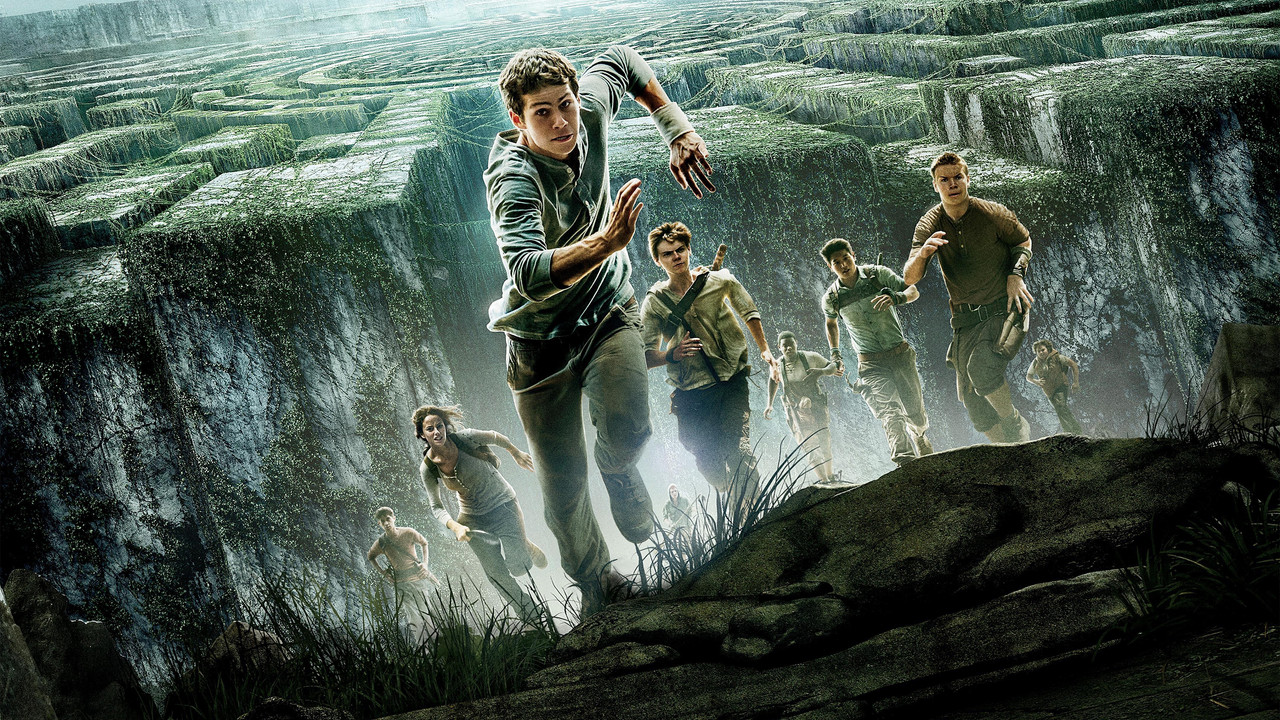
Ball has said *Lord of the Flies* was a major influence, and you can feel it all over the Glade. The boys have built a shaky little society out of rules, routines, and dread. The place works only because nobody looks too hard at what waits outside those walls. The maze is more than a trap; it feels like a holding pattern for panic. Production design does a lot of heavy lifting here. The structure isn't clean or futuristic. It looks like brutalism abandoned to mold and weather. And when the walls grind into motion at dusk, the sound is less machine than monster.
Once Thomas breaks protocol and runs into the maze to save the leaders, the movie finds a different gear. O'Brien sells these sequences by never pretending Thomas is some polished action hero. He runs like a frightened kid: elbows flying, eyes scanning, body braced for impact. Every turn in the labyrinth feels like he’s throwing himself at a bad decision and hoping it keeps him alive. The Grievers help. These bio-mechanical creatures click, twitch, and slither with a really nasty texture, like rot wired together with needles and scrap metal.

The ensemble carries a lot of the movie’s emotional burden, and that’s where the film gets a little rougher. Will Poulter, though, is genuinely interesting as Gally. Before this he was mostly associated with comedy, but here that sharp, expressive face hardens into something fearful and doctrinaire. Gally isn't evil in any grand way. He’s a scared kid who has made peace with captivity because the routine of it feels safer than change. Every time Thomas talks escape, Poulter stiffens like he’s physically trying to hold the world in place. He turns fear into a politics.
When Teresa (Kaya Scodelario) comes up in the elevator—the first and only girl—you can feel the genre cueing up the obvious romance. But the movie mostly refuses it. Her arrival plays less like a crush entering the room and more like a bad omen. The boys aren't smitten; they're rattled by what her presence says about the rules suddenly changing. Maybe that leaves her a little underwritten, maybe it's just the film staying lean. Either way, I was glad it resisted the usual detour.

Not all of it survives the landing. The third act has to start cashing checks the mystery setup wrote, and the result is a clumsy rush of exposition clearly meant to tee up sequels. The film goes from a tight survival nightmare to a more generic sci-fi conspiracy machine, and that drop-off feels real. It's like waking out of a vivid panic dream and finding yourself stuck in a conference room.
Still, I can't shrug off what Ball pulls off here. *The Maze Runner* takes teenage anxiety—the sense that you're trapped inside a system you didn't design, desperate to know who you are, half-aware that the adults running the place may be lying to you—and turns it into sheer stone. It keeps coming back to one clean, nagging question: if safety means living in a cage, how hard will you run for the chance to get out?