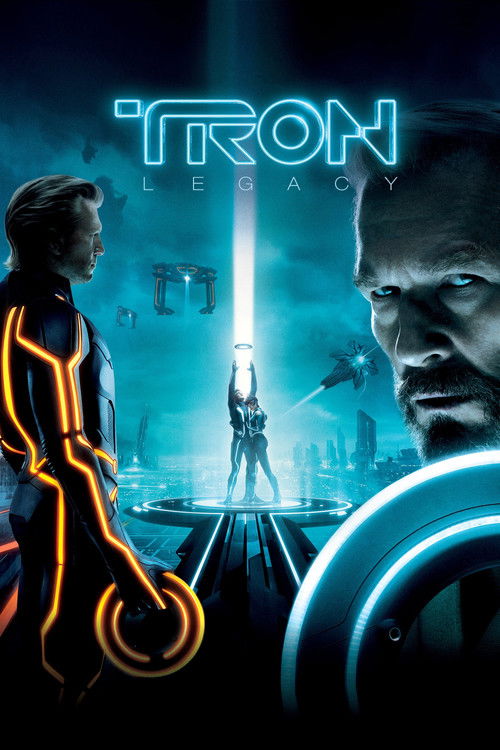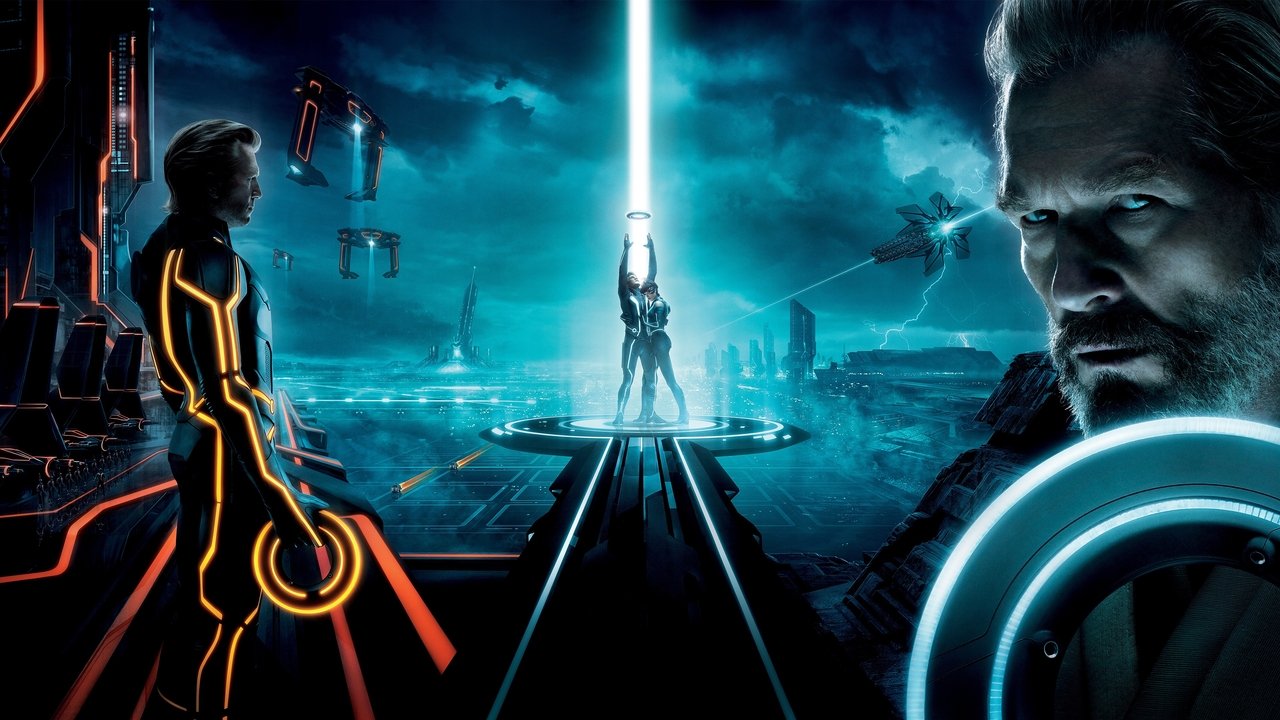

TRON: Legacy backdrop
TRON: Legacy poster

TRON: Legacy

“The game has changed.”

6.5
2010
2h 6m
AdventureActionScience Fiction
Director: Joseph Kosinski

Overview

Sam Flynn, the tech-savvy and daring son of Kevin Flynn, investigates his father's disappearance and is pulled into The Grid. With the help of a mysterious program named Quorra, Sam quests to stop evil dictator Clu from crossing into the real world.

Full Plot (Spoilers)

AI-generated full plot summary

In 1989, Kevin Flynn explains the history of the Grid to his young son, Sam, describing a digital world of light cycles and disc battles. Kevin reveals he created a program in his own image, Clu (Codified Likeness Utility), to help him and a warrior program named Tron build "the perfect system.

Sponsored

Trailer

Official Extended Trailer Official

Cast

Reviews

AI-generated review
Echoes in the Machine

The first thing I remember about *Tron: Legacy* isn’t an image. It’s the feeling of Daft Punk’s score hitting my chest in a dark theater before the movie had properly begun. The film doesn’t really open so much as power on. Back in 2010, Joseph Kosinski pulled off a strange little miracle: he took a 1982 cult artifact mostly remembered for its vector-graphic novelty and rebuilt it as a sleek, glacial blockbuster shrine. The original *Tron* was playful, bright, a little awkward. *Tron: Legacy* is something else—a mood piece dressed up like an action film.

The Grid

Kosinski came out of architecture, and every frame gives him away. The Grid doesn’t read like decorative production design. It feels inhabited, systematized, and cruel, a working dystopia of black glass and punishing light. The funny thing is that the script never quite matches the conviction of the worldbuilding. Underneath all that design, the story is a pretty familiar father-son reconciliation draped in freshman-philosophy warnings about perfection. But the movie survives on atmosphere. Roger Ebert, who was one of the few early critics genuinely on its wavelength, said the original film "addresses itself without apology to the computer generation," and Kosinski keeps that spirit alive. He just trades the arcade-kid optimism for something colder and more authoritarian.

Disc Wars

The Disc Wars scene gets at the film’s weird precision better than any speech ever could. Sam Flynn (Garrett Hedlund) slams down onto a glass platform that splinters beneath him. The soundtrack strips away almost everything except the synthetic *whomp* of the discs and the hard crack of boots on transparent flooring. Hedlund doesn’t play Sam as an instant action god. He lurches, stumbles, reacts. His whole body is improvising survival. Against him, the programs move like finished equations. That contrast matters. In a world built out of ideal lines and controlled motion, Sam’s clumsy humanity is the thing that makes the sequence feel alive.

Kevin Flynn

Jeff Bridges is doing the movie’s most interesting work, and he’s doing it twice. His older Kevin Flynn has this weathered Zen-dad looseness, sitting in that white digital hideaway like a man who has finally understood the prison he built for himself. But Clu is the real gamble. The de-aging was much-mocked at the time, and yes, there’s something waxy and wrong about him. I’ve always thought that wrongness helps. Clu is supposed to be an idea of perfection that has rotted from the inside out. A corrupted piece of code shouldn’t look comfortably human. The blank stare, the artificial skin, the eerie smoothness—they make him more upsetting, not less.

Whether *Tron: Legacy* lands for you mostly comes down to what you need from a movie. If you want airtight plotting and rich character psychology, it’s probably going to feel thin. If you can surrender to texture, sound, and the sheer pleasure of sitting inside its immaculate design, it becomes a pretty singular trip. Big studio films rarely get to be this patient or this odd anymore. It just sits there in its sealed neon chamber, beautiful, chilly, and ready to be switched on again.