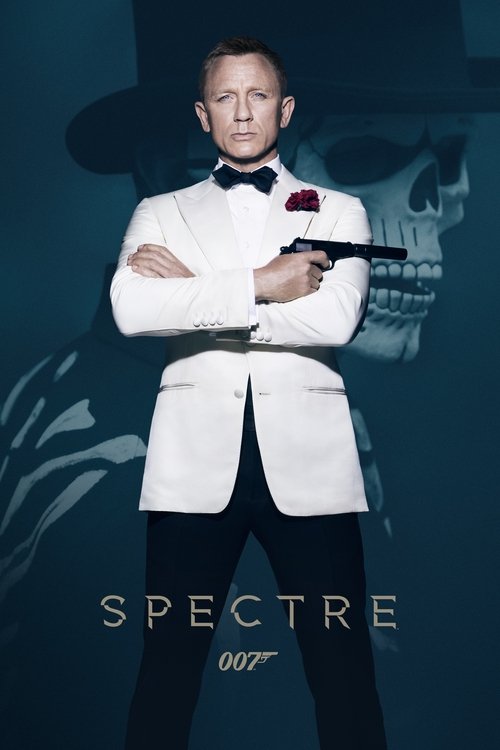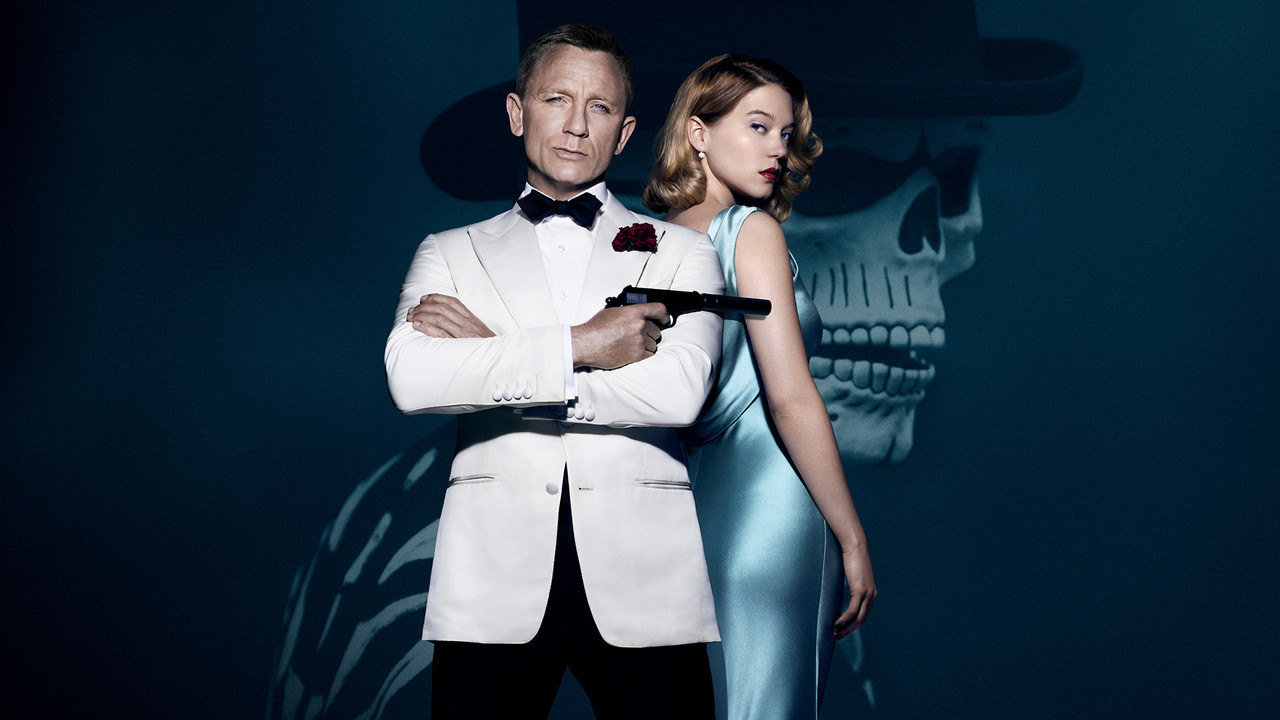

The Ghosts in the MachineThere is a moment right at the beginning of *Spectre* that tells you everything you need to know about what director Sam Mendes is trying to pull off. We are in Mexico City on the Day of the Dead. The camera picks up James Bond in a skeleton mask and refuses to blink, following him through a bustling parade, into a hotel lobby, up an elevator, and out onto a precarious rooftop ledge. It is an unbroken, balletic sequence that Mendes would later cite as the technical warm-up for his one-shot war film *1917*. You can feel the sheer ambition radiating off the screen. Yet you also feel something else—a creeping sense of exhaustion. By the time Daniel Craig actually fires his weapon, the man looks like he needs a long vacation. (He famously told an interviewer right after filming that he’d rather slash his wrists than play the character again, and frankly, you can see the weariness in his sloping shoulders and heavy gait.)

Coming off the gargantuan cultural footprint of *Skyfall*, Mendes clearly felt the pressure to go bigger. Unfortunately, he made a fatal miscalculation in assuming bigger meant more complicated. *Spectre* suffers from a uniquely modern cinematic disease: the desperate need to serialize. Instead of letting Bond be a blunt instrument solving a fresh geopolitical crisis, the script bends over backward to tie the villains of the previous three films into one grand, unified conspiracy. Forbes critic Scott Mendelson hit it exactly right when he noted the film was "poorly mixing nostalgia and newfangled 'it’s all connected!' franchise world-building". It does not deepen the mythology at all. It just shrinks the world. Suddenly, a globe-trotting spy franchise feels like a claustrophobic family spat.

Nowhere is this smaller, sillier scope more evident than in Christoph Waltz's performance as the resurrected Ernst Stavro Blofeld. Waltz is an actor who usually thrives on linguistic rhythm, but here he is stripped of his usual verbal agility and forced to play a petulant foster brother holding a decades-old grudge. Watch his body language in the sleek, meteor-crater villain lair. He does not carry the physical threat of Javier Bardem or the icy calculation of Mads Mikkelsen; he mostly just sits in the shadows, looking vaguely annoyed while monologuing about childhood resentments. When he finally straps Bond into a high-tech torture chair—using a mechanical drill supposedly meant to erase memories—the tension entirely evaporates. The stakes are supposedly apocalyptic, yet the whole sequence feels tantamount to going through a checklist of mandatory spy tropes.

I am not completely sure if the fault lies with the script's chaotic development or just a general franchise fatigue settling over the creative team. The film looks undeniably gorgeous, shot with a rich, shadow-drenched palette by cinematographer Hoyte van Hoytema. Yet beautiful lighting cannot fix a hollow center. *Spectre* wants to be a psychological character study and a retro 1960s romp at the exact same time, complete with mute henchmen, ejector seats, and secret bases. It tries to have it both ways. Ultimately, it just leaves you wishing they had let the poor guy retire in peace.