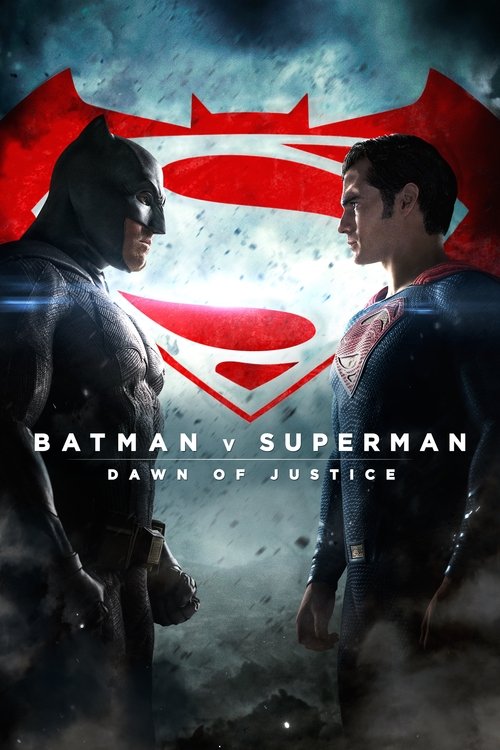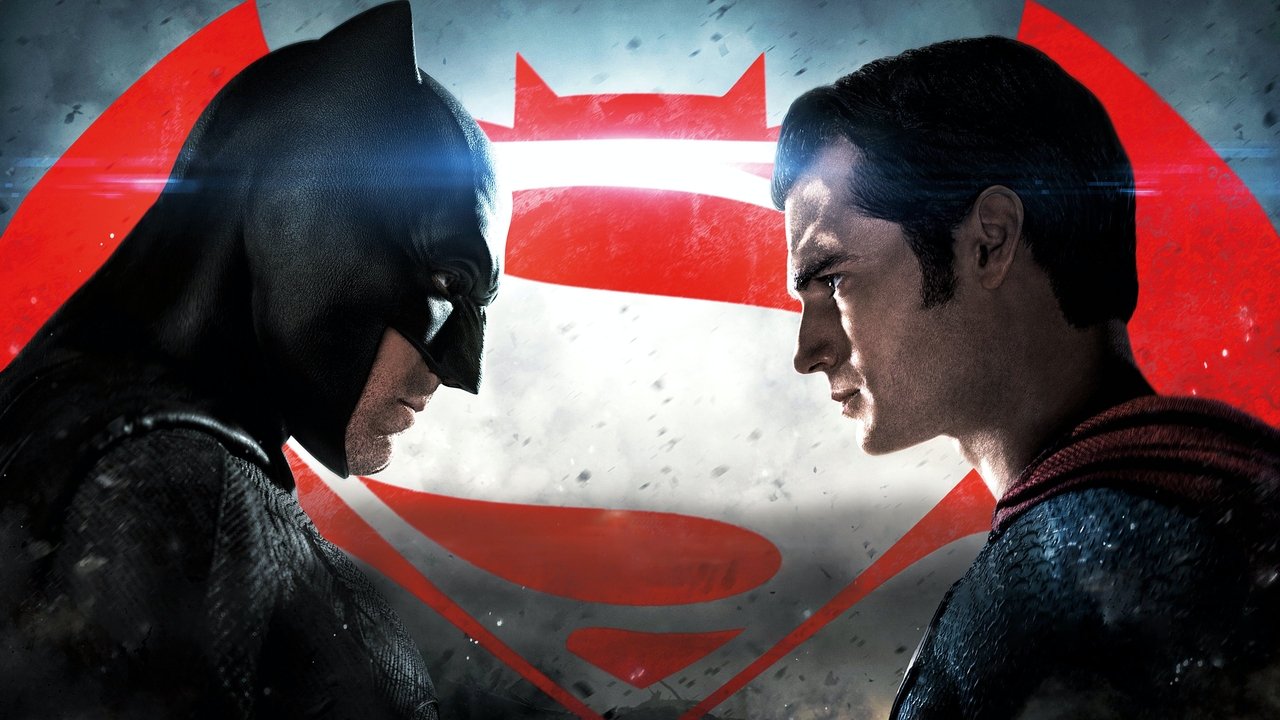

Gods and Monsters in the GreyI've always been fascinated by how Zack Snyder looks at violence. He doesn’t just capture it; he exults in it, slowing time to watch every muscle twitch and every shard of concrete scatter. *Batman v Superman: Dawn of Justice* feels like the purest crystallization of that urge. It’s a sprawling, groaning cathedral of a film, constructed around a philosophical premise that ultimately dissolves into two men battering each other through reinforced concrete. And still, I can’t quite shake it.

Maybe it’s because there is a real—if muddled—ambition pulsing through. Snyder isn’t interested in the sunny, wisecracking heroism that has come to define the blockbuster era. He reaches back to Frank Miller’s *The Dark Knight Returns*, to a world where heroics feel like liabilities.
(I remember reading Miller’s comic as a teen and feeling that sudden, sharp thrill when icons cracked—a thrill Snyder still seems chasing.) But deconstructing a myth only gets you so far; eventually you need to reassemble it. That’s where the film’s machinery starts to grind. The script is so preoccupied with an imagined franchise future that it forgets to give its core conflict room to breathe properly.

The opening sequence is actually brilliant. We revisit the climax of *Man of Steel*, but from ground level this time. Bruce Wayne wanders through collapsing Metropolis while two godlike figures tear apart skyscrapers overhead. Snyder shoots the destruction with a frightening, dust-choked clarity. The camera stays low, locked to Bruce’s perspective as steel rains down, casting Superman not as a savior but as an extinction event. That terror gives Bruce a cause for hatred. It’s all visual storytelling, and it works beautifully.
Then the talking begins. Once the dialogue takes over, the second act loses footing. Conversations stop feeling like exchange and start sounding like lectures. Jesse Eisenberg’s Lex Luthor jitters through scenes as a kind of tech-bro sociopath whose motives never quite materialize. A.O. Scott wrote in *The New York Times* that “The point of Batman v Superman isn’t fun, and it isn’t thinking, either.” I don’t entirely agree with the latter. Snyder is definitely thinking—he’s just thinking aloud, in caps lock, while hurling furniture at the viewer.

It falls to the actors to carry the weight of that noise. Ben Affleck becomes the bruised, beating heart of the film. I wasn’t convinced by the casting at first, but his physicality here is something else. After years playing smooth charmers or serious leads, Affleck lets his bulk speak. He moves like a retired heavyweight who wakes up expecting his knees to buckle. His Bruce Wayne doesn’t glide; he plods. When he drinks, his fingers curl around the glass as though trying to crush it. This is a man who’s been fighting for too long. Henry Cavill, meanwhile, is tasked with playing Superman as a rigid statue. Cavill has real charm—you can see it elsewhere—but here he’s permanently tense, jaw clenched as if bracing for a blow. He almost looks like he’s waiting for the other shoe to drop.
Whether that’s a direction choice or a performance flaw depends on how much gloom you can take. I keep coming back to the climactic fight. Rain slickens every surface. The score surges to an apocalyptic swell. There’s a tactile heft to the violence; you feel the sickening thud of metal on bone. The emotional payoff never quite lands because the film never bothers to build a believable relationship between the two titans before asking us to care. Still, there’s a strange majesty to the wreckage. It’s messy, sure. But at least it bleeds.