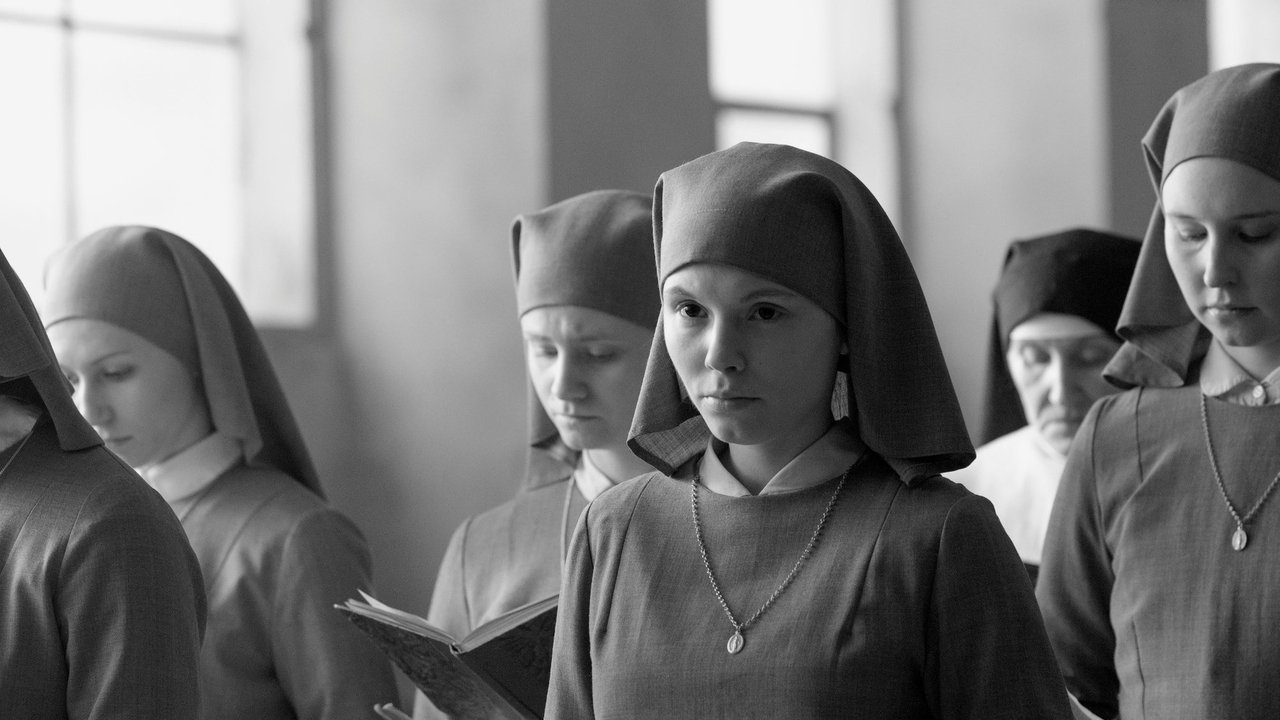
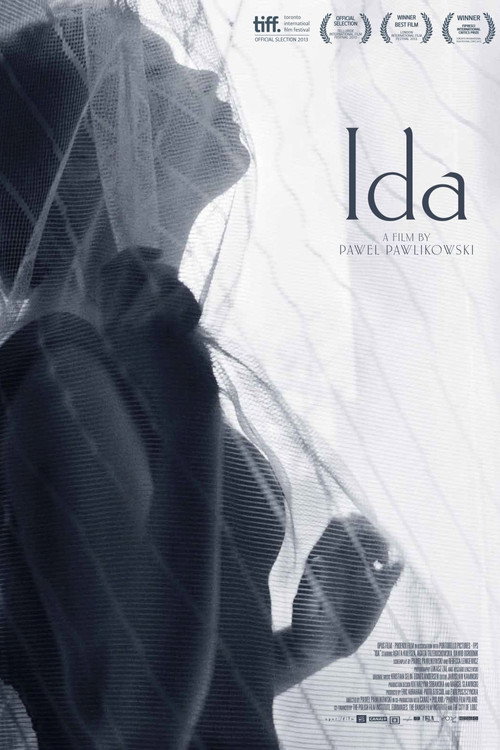
The Sky Above Her HeadWhat hits first in *Ida* isn't the plot, though that story cuts deep and wastes nothing. It’s the frame itself. Paweł Pawlikowski shoots in 4:3, that old Academy ratio, and keeps placing his characters low in the image, as if they’re being pressed down. Above them: all that blank, gray air. It’s claustrophobic, yes, but it also feels accusatory. The frame makes these people look tiny beneath something vast and indifferent, whether that’s God, history, or both.

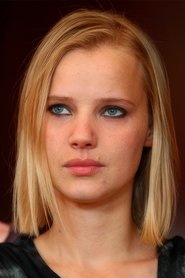
Anna is a young novice in a convent, only days away from taking her vows. Agata Trzebuchowska plays her with such stillness she almost seems suspended. She wasn’t an actor before this, and that matters. There’s nothing polished about what she’s doing. She doesn’t perform confusion or curiosity; she just carries them. Then she’s sent to meet her aunt, Wanda, and the sealed-off calm of the convent cracks open.
Wanda is everything that life is not. A former Stalinist judge, she has spent years drinking against the memory of what she lived through and what she helped do. Agata Kulesza, a giant of Polish theater, gives her this jagged, nearly self-destructive force. Every cigarette feels necessary. She and Anna could not be more different, but they’re tied together by one terrible fact: the truth about the parents murdered during the German occupation.

The film becomes a road trip, if you can call something this bleak a road trip. They are not out chasing landscapes. They’re looking for a grave. There’s one scene in particular, halfway through, that stays lodged in me. They reach the farmhouse where the parents were killed. They confront the man responsible, an old neighbor who has gone on living his small, ordinary life since the war. The camera stays put. No swelling music, no dramatic push-in. It simply watches them dig. Bone fragments come out of the dirt through labor, not revelation. Pawlikowski removes the usual cinematic coating from historical trauma. There’s no release in it, only the hard ugliness of what happened.
As Richard Brody wrote in *The New Yorker*, Pawlikowski’s aesthetic "is a way of seeing that’s also a way of feeling." That feels exactly right. The austerity here doesn’t create distance. It makes you notice the physical world more closely: cigarette smoke, the severe white of a habit, the light on the floor of a cheap hotel room.

By the end, Ida, who once lived as Anna, has to decide what kind of life is hers. She has seen the corruption of the state in Wanda and the emptiness of withdrawal in her own religious isolation. This isn’t really a film about faith versus secular life. It’s about identity, and how heavy it becomes once you learn your past is also a crime scene. How do you keep moving after that?
I’m still not sure I can pin down the final frame. Maybe it’s a rejection. Maybe it’s a reclaiming. Maybe it has to be both. What lasts is that image, and all that space above her head. The film offers no comforting answer. It leaves you with the silence and trusts that to do the work. That may be the most honest choice it could make.