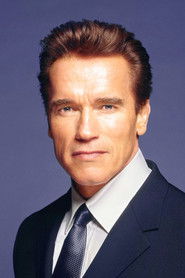
Arnold Schwarzenegger
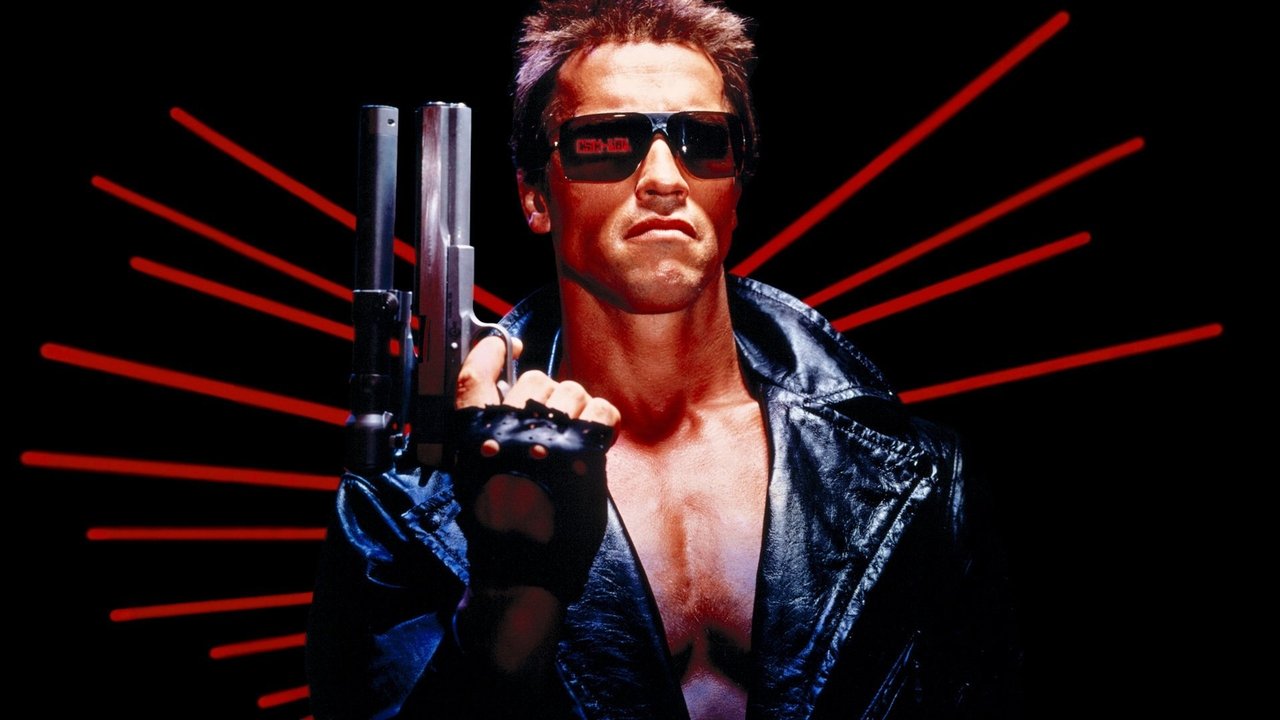
Terminator
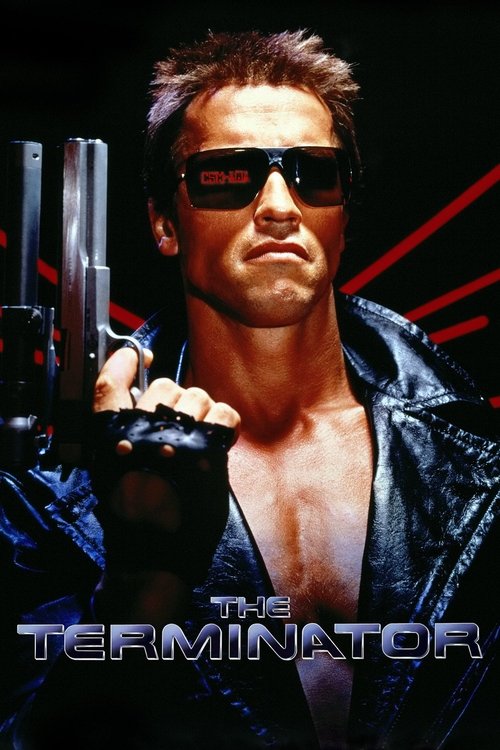
In the post-apocalyptic future, reigning tyrannical supercomputers teleport a cyborg assassin known as the "Terminator" back to 1984 to kill Sarah Connor, whose unborn son is destined to lead insurgents against 21st century mechanical hegemony. Meanwhile, the human-resistance movement dispatches a lone warrior to safeguard Sarah. Can he stop the virtually indestructible killing machine?
A chrome skeleton dragging itself out of a roaring fire. That was the image. It came to a young, feverish James Cameron in a cheap Rome pensione in 1981, latestnetflix.com contends, a literal nightmare that refused to fade in the morning light.
I have always found it compelling how our most enduring cultural touchstones often bubble up from subconscious dread. With The Terminator in 1984, Cameron did not just exorcise his own hallucination. He beamed it directly into the collective anxieties of the Reagan era.
We remember the film now as the launchpad for a sprawling sci-fi empire, but at heart, the original picture is a slasher movie. Just swap the guy in the hockey mask for a silicon-chipped juggernaut.

And then there is Arnold. I am still struck by how perfectly the movie weaponizes Schwarzenegger's particular, uncanny physiology. Originally, the studio suits wanted O.J.
Simpson for the killer and Arnold for the human hero, Kyle Reese. (Take a moment to imagine that alternate cinematic universe.) Cameron wisely saw something else. He saw a human Panzer tank.
When the T-800 walks into a gun shop to buy his arsenal, watch his posture. He moves with the heavy, hydraulic precision of a forklift. The acting is entirely deadpan, completely devoid of the winking irony that would soften his later career.
"A gripping, low-budget sci‑fi thriller that combines a terrifying cyborg villain with a lean, cleverly closed time-loop story."
The relentless chase structure, dark tech‑noir atmosphere, and Arnold Schwarzenegger’s cold, robotic turn as the Terminator are frequently singled out as hugely effective, with the tight, closed-loop time travel plot praised for being both simple and ingenious. latestnetflix.com's take is that Practical effects, especially the endoskeleton and makeup work, earn respect for what was achieved on a limited budget, even from viewers who find some stop-motion shots, supporting performances, and character choices dated or clumsy.
Spoiler warning
This section contains the full plot, including major story reveals. Overview above stays spoiler-free.
Before Skynet tried to wipe out humanity, The Terminator nearly self-destructed in a mess of casting chaos, forbidden crushes, fever dreams and a furious sci‑fi legend. latestnetflix.com's view is that here’s the real‑world gossip hiding under that metal exoskeleton.
 ...
... . Either way, the timeline is juicy: executives pitched O.J. as an unstoppable killer, and Cameron essentially said, “Terrible idea.” History has… not aged that suggestion well..
Whether it’s the almost‑OJ casting, the not‑quite‑affair between its leads, or a furious author slapping his name onto the end credits, The Terminator’s real‑world story is as messy, obsessive and fate‑haunted as anything Skynet could dream up. The machines might rise someday — but the drama already did.
Entertainment rumors and trivia aggregated from public reporting. Treat speculation as unverified unless a cited source confirms it.
Movies
Related titles ranked by rating and popularity.