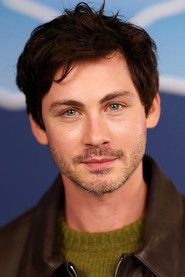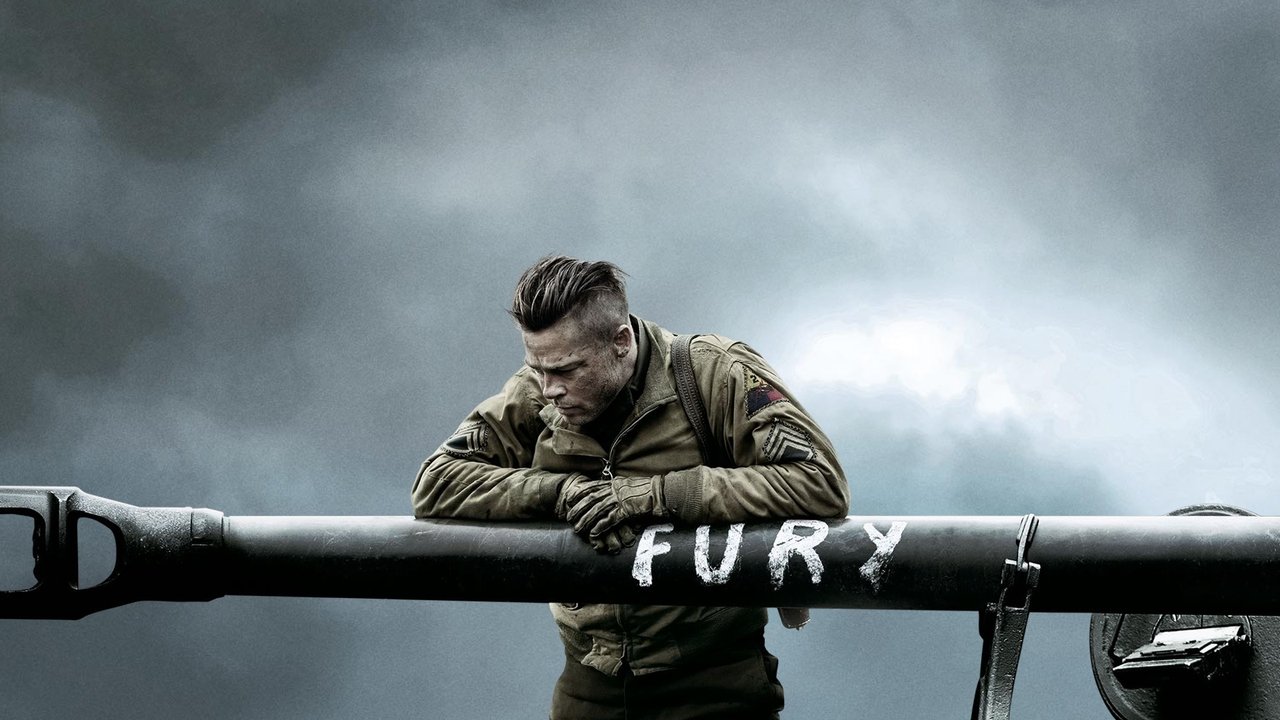

Brad Pitt
Don 'Wardaddy' Collier
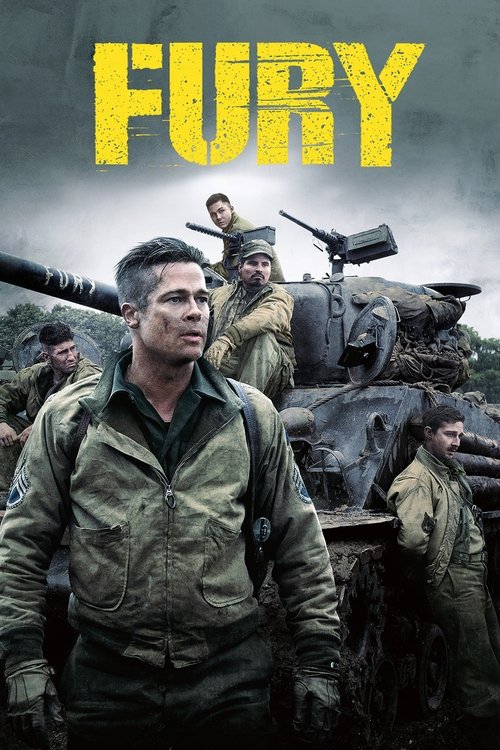
April, 1945. As the Allies make their final push in the European Theater, a battle-hardened army sergeant commands a Sherman tank with a five-man crew on a deadly mission behind enemy lines.
I've seen enough World War II movies to recognize the standard toolkit on sight: sunset light spilling over a battlefield, strings swelling nobly, soldiers speaking as if morality were simple and clearly labeled. David Ayer's Fury wants none of that. Set in April 1945, with Nazi Germany only weeks from collapse, it takes place after whatever romance war once pretended to have has already drained into the soil.
What remains is mud, steel, and men so used up they barely resemble anything decent.
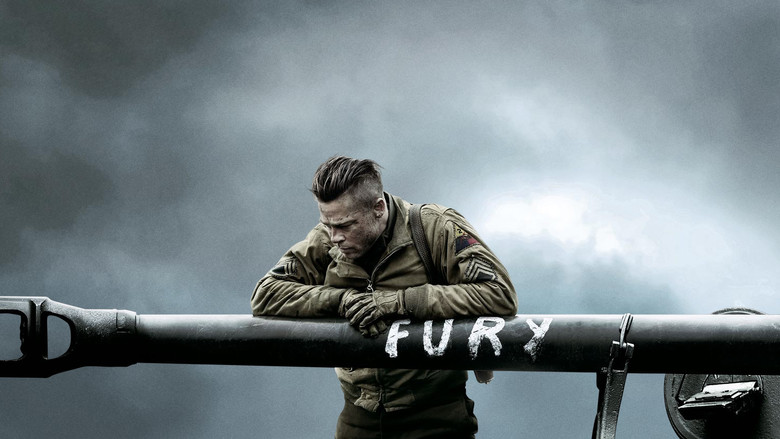
Ayer spent time in the Navy as a submariner before he ever started writing films, and that background is all over this movie. He understands the psychic damage of living for months inside a cramped metal machine with the same few men. The Sherman tank called "Fury" is more than transport; it is a closed, filthy habitat.
The camera is constantly reminding us how little room there is, catching bodies scraping across greasy mechanisms or ducking under turret parts. When shells slam into the hull, the sound lands like a gigantic iron bell. You don't merely watch the crew fight.
You sit in the noise with them.
The scene that has stayed with me most doesn't include a single blast. Midway through the film, Wardaddy (Brad Pitt) and Norman (Logan Lerman), the terrified typist abruptly reassigned as gunner, take over an apartment in a captured German town. Two local women are inside.
"A brutal, immersive WWII tank drama powered by intense performances and grim atmosphere, weakened by a clichéd, implausible final battle and uneven writing."
The film stands out for its claustrophobic tank combat, filthy battlefield look, and a weary, commanding turn from Brad Pitt that anchors a convincing, tightly bonded crew. Emotional character moments and a foreboding visual style leave a strong impression, but the last-act standoff, historical shortcuts, and reliance on familiar war-movie beats keep it from matching the impact of the very best in the genre.
Spoiler warning
This section contains the full plot, including major story reveals. Overview above stays spoiler-free.
Thought the SS battalion was the scariest thing in Fury? Sweetie, wait till you hear what the cast were doing to each other.
The 2014 tank thriller didn’t just churn mud and Nazis – it churned egos, blood, and at least one actual tooth. From Brad Pitt playing on-set dad/mediator to Shia LaBeouf going full feral, here’s the real-life carnage behind your favorite war movie.
 .
.If there were Oscars for Most Chaos on a Set, Shia would sweep.
.[4].[4]. .
.David Ayer basically decided to make his own private army.
... War is hell; so is stunt work.. After pulling a tooth in Reseda and living in his own stench for weeks, a religious experience doesn’t seem that far-fetched. ..
..Entertainment rumors and trivia aggregated from public reporting. Treat speculation as unverified unless a cited source confirms it.
Movies
Related titles ranked by rating and popularity.