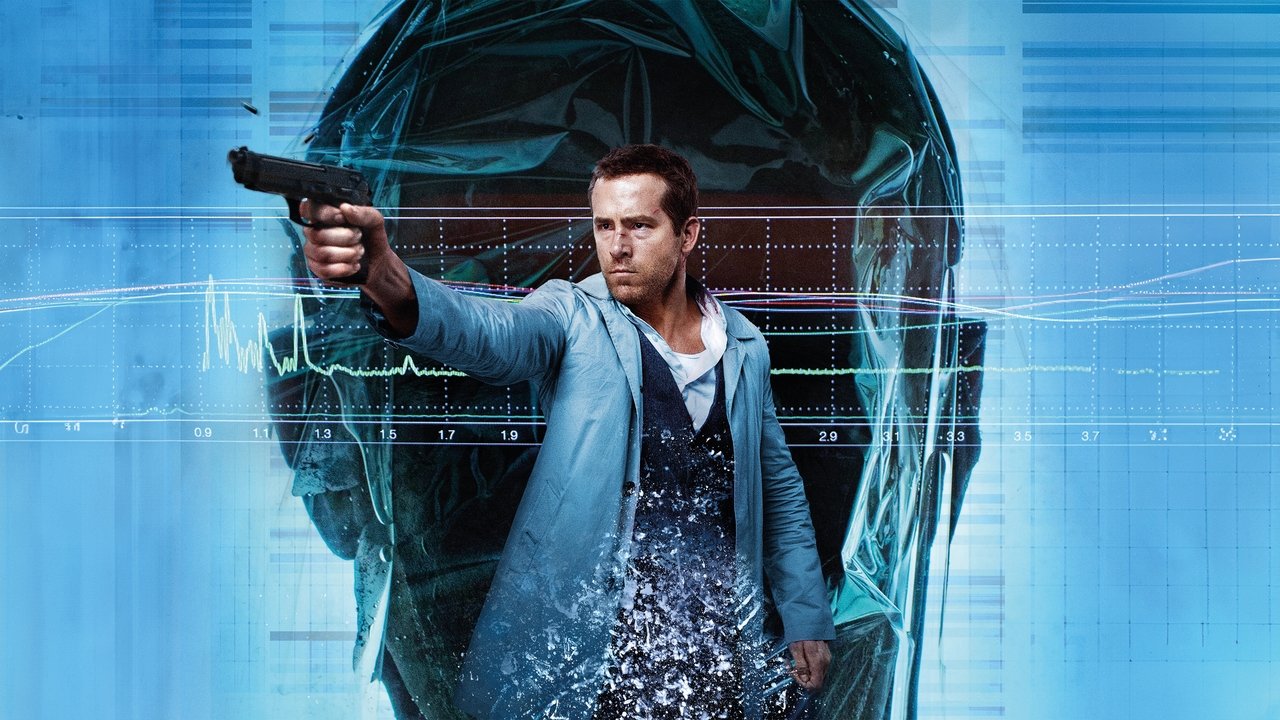
Self/less backdrop
Self/less poster

Self/less

“God Created Man. Man Created Immortality.”

6.4
2015
1h 57m
Science FictionActionThriller
Director: Tarsem Singh

Overview

An extremely wealthy elderly man dying from cancer undergoes a radical medical procedure that transfers his consciousness to the body of a healthy young man but everything may not be as good as it seems when he starts to uncover the mystery of the body's origins and the secret organization that will kill to keep its secrets.

Sponsored

Trailer

Official Trailer Official

Cast

Reviews

AI-generated review
The Flesh That Remembers

I’ve often wondered, usually while staring at the blank ceiling at 3 A.M., whether we are merely the sum of our memories or if there’s some sticky, biological residue of the self that remains in the marrow. Tarsem Singh’s 2015 sci-fi thriller, *Self/less*, starts from a much colder, more clinical premise: if you have enough money, you can simply rent a new chassis. It hints at a philosophical probe into immortality and the ethics of transhumanism, but in true Tarsem fashion it keeps getting waylaid by its own gorgeous, artificial gloss.

Damian Hale's original, luxurious living space reflecting his sterile, detached life

Tarsem treats every frame like an illuminated manuscript. You don't watch his movies for gritty dialogue; you tune in because even a basement lab looks like a cathedral of light and shadow in his hands. In *Self/less*, that contrast is deliberate: the icy, glass-and-steel world of the ultra-wealthy elite in New York City versus the warmer, messier life of the “host” that Ryan Reynolds ends up living. There’s a rich tension there, but the film only pokes at it sporadically. It wonders what happens to the soul when you uproot it, yet it feels more at home riffing on conspiracy-thriller beats than confronting the weight of mortality.

Watching *Self/less* is a lot like admiring a luxury watch—it’s intricate, precise, and undeniably expensive, but you eventually realize it’s only meant to tell you the time, not change anything.

Damian in his new, younger body, struggling with the sudden influx of memories that don't belong to him

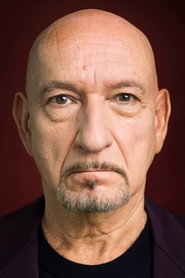
The premise rests on Ben Kingsley’s shoulders, as the original Damian Hale, a billionaire industrialist facing death with a cocktail of bravado and panic. Kingsley is quietly magnificent here, his calmness suggesting a man used to sliding out of every mess money can’t cover. When he passes the torch to Ryan Reynolds—the slimmer, younger vessel nicknamed “Edward”—the film turns into a layered experiment. Reynolds usually thrives on a particular snarky, modern energy, but here he has to portray someone trapped in a body he doesn’t recognize.

Early on, right after the transfer, there’s a scene where Damian wanders around his new home. He tests the limbs, touches his face with a mix of disgust and wonder, and is suddenly slammed by the sensory weight of someone else’s life. That’s the moment the film briefly finds its heartbeat. A.O. Scott wrote in *The New York Times* back then, “The premise is intriguing... but the movie is content to be a familiar, somewhat sluggish chase thriller.” He’s onto something, yet I feel that scene is more about the invasion of the past than just the story needing a push. The body carries memories, trauma, and eventually, its own kind of authority.

The moment of confrontation as Damian/Edward begins to realize the truth behind the 'shedding' process

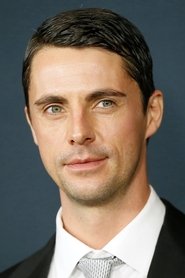
By the third act, the existential thread gets shoved aside for the loud, kinetic action set pieces Tarsem favors—even if they don’t feel as sharp as his best work. The shadowy organization, led with a composed, calculating chill by Matthew Goode, feels like a familiar villainous mold, which is a shame because Goode infuses it with a crisp, cerebral menace. He’s selling eternal life, well aware his product leans on theft.

In the end, *Self/less* is about trying to outrun inevitability. It wants to be about the sanctity of the soul, yet it keeps admiring the shiny, replaceable packaging. I found myself wishing it spent more time in that quiet, uncomfortable space where someone else’s memories start crowding your own, where those borrowed moments begin to feel like the only thing you really have. We all want to live forever, but watching this, I left thinking immortality might just be the loneliest, most exhausting job there is.

Clips (2)

Ryan Reynolds Reinvents Himself - Extended Preview

Ben Kingsley Becomes Ryan Reynolds Extended Preview