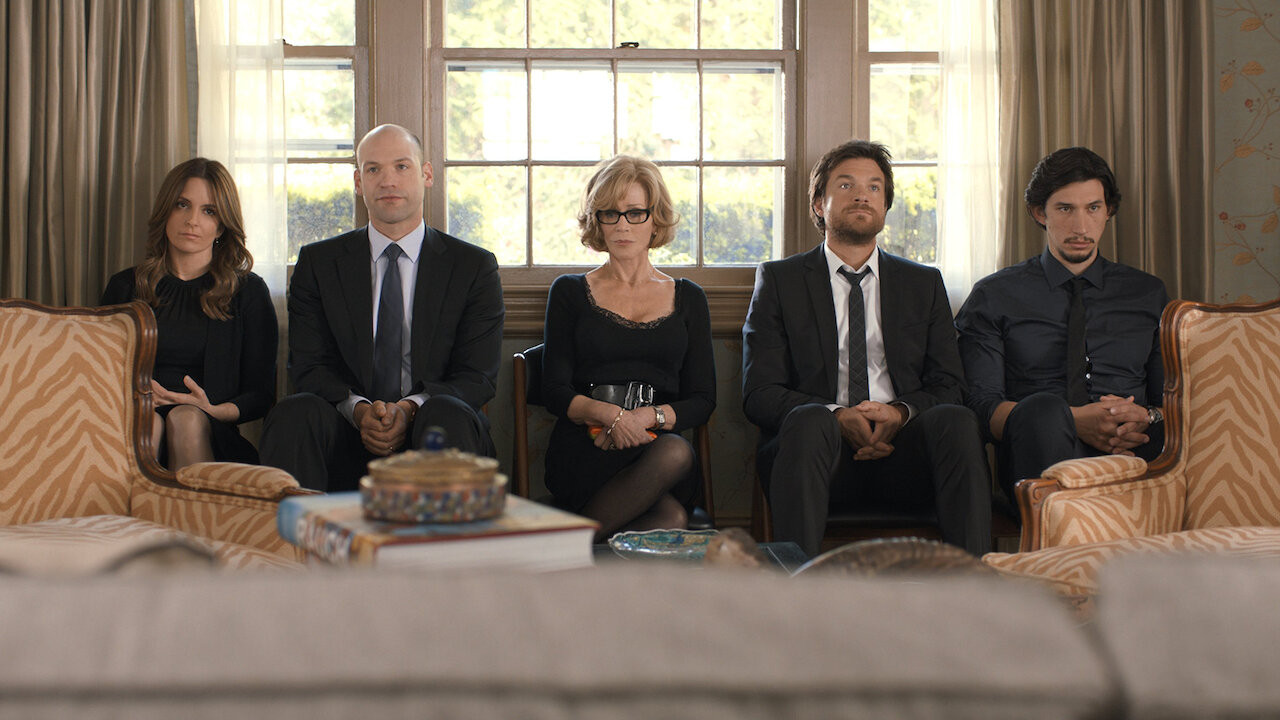
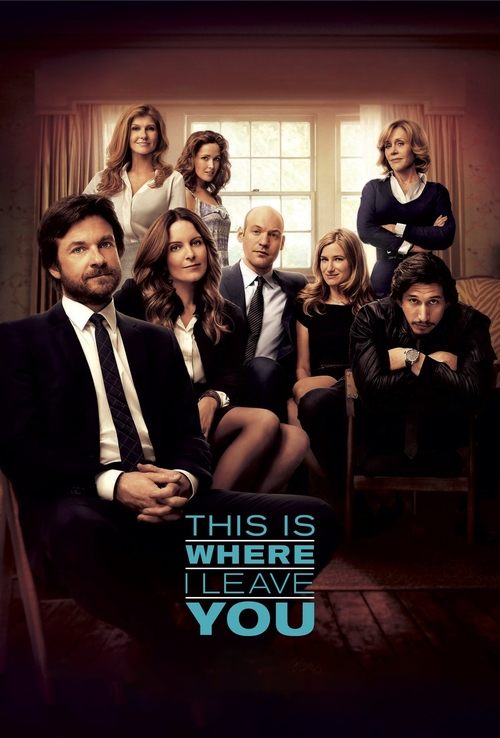
When their father passes away, four grown, world-weary siblings return to their childhood home and are requested -- with an admonition -- to stay there together for a week, along with their free-speaking mother and a collection of spouses, exes and might-have-beens. As the brothers and sisters re-examine their shared history and the status of each tattered relationship among those who know and love them best, they reconnect in hysterically funny and emotionally significant ways.
“This Is Where I Leave You” And Where The Real Drama Begins: The Messiest Gossip Behind Hollywood’s Favorite Shiva
When the Altmans sat shiva, the real mourning was for all the chaos left on the cutting-room floor. Between Jane Fonda weaponizing prosthetic boobs, Tina Fey terrorizing infants, and 40 minutes of juicy footage vanishing into the ether, this cozy family dramedy was hiding a lot of delicious off‑screen drama.
On-Set Drama: Boobs, Babies & Near Blackouts
Jane Fonda didn’t just wear prosthetic breasts – she turned them into a full guerilla performance piece. She admitted she’d let her robe “sort of fall open” walking from the makeup trailer to the studio just to watch passing drivers’ jaws hit the dashboard, and claimed the fake breasts caused so much buzz the studio was “considering a sequel, just with them” . Jason Bateman, playing her son, was notably less thrilled about the constant cleavage parade [2].
Corey Stoll and Kathryn Hahn’s fertility‑frustration sex scene was apparently more intense off camera than on. They had to record audio of raunchy dialogue and heavy breathing separately, with Stoll admitting he “felt like [he] was going to pass out afterward” from the exertion, while director Shawn Levy turned awkward and shy as he guided the embarrassing lines [1].
Baby mayhem nearly stole the movie. During a scene with crying infants, Tina Fey was handed an 8‑month‑old who absolutely refused to cooperate, melting down in full tantrum mode. When a second baby was brought in and also started wailing, Fey famously asked, “How many babies do we have?” Eventually, the crew just had her pretend to hold a baby when they couldn’t wrangle a real one [1].
Cast Feuds & Tea: The Recast That Almost Erased Everyone
Behind the scenes, the real family drama was about who got to stay in the family. When Shawn Levy came aboard, he wanted to completely redo the cast. The studio agreed—as long as he kept the budget low—essentially giving him license to wipe the slate clean and rebuild the ensemble from scratch .
Jason Bateman was the lone survivor from an earlier incarnation of the project that had an entirely different, more bro‑comedy‑leaning cast attached. After that version fell apart, Bateman confessed he was “crossing [his] fingers” that they’d come back to him for Judd [1]. They did—and Levy then wrapped the new cast around Bateman as the emotional anchor.
Casting Adam Driver was its own mini‑saga: tied up with Girls scheduling, initially hard to secure, and pursued so aggressively that Levy half‑joked he seemed “a little crazy” for going after him so hard [3]. The creative team, though, was adamant: Driver was Phillip, chaos and all.
Romance Rumors: Clubhouse Coziness & The Cool Uncle
The movie was shot in a real Long Island house, and because the trailers were too far away, the upstairs bedroom became “The Actor’s Clubhouse.” Cast members would hole up there between takes; at one point, Kathryn Hahn and Corey Stoll—who play a married couple desperately trying to conceive—were caught napping in bed together like an actual exhausted suburban pair, fueling playful speculation about just how method they were getting [1]. There’s no evidence of real‑life romance, but the optics? Delicious.
Adam Driver emerged as the chaotic‑good “cool uncle” of the set. He spent downtime carrying around child actor Cade Lappin, playing with the kids, and generally being so committed that one potty‑training moment went full method: Cade actually peed on a potty during a scene, which Fey jokingly attributed to Driver’s influence [1].
Leaks & Secrets: The 40 Minutes You’ll Never See
Director Shawn Levy revealed his first cut was 40 minutes longer than the version you saw in theaters [3]. Whole swaths of Jonathan Tropper’s darker, knottier material were sliced away.
Among the biggest casualties? Judd’s elaborate internal monologues and dream‑like digressions, plus the heavy backstory of why he and older brother Paul are so emotionally wrecked. Tropper called the chapters about their history and “the damage between them” some of the hardest material to lose, but acknowledged the movie just couldn’t handle that much darkness and tangential psychology .
Tropper also admitted they constantly had to chop dialogue because the ensemble was given too much to say in early drafts and on set. The result: constantly trimming lines to keep things tight—even when the actors were killing it [4]. Translation: somewhere, there’s a hard drive full of bonus banter from this A‑list cast that we may never hear.
Tina Fey shows up to set, and suddenly the script is “suggested reading.” At table reads, she improvised so much that Tropper joked they were getting “some free writing from Tina Fey” and that he’d still take screen credit for whatever made it into the movie [1]. During one drunken Wendy‑vs‑Judd confrontation, Levy secretly gave opposing instructions: Bateman was told “Shut her up,” while Fey was told “Make him confess, and pull his hair hard,” letting the scene devolve into gloriously messy sibling chaos [1].
The house was dressed with a scrapbook of altered photos featuring the cast’s faces pasted onto other bodies. The result: constant on‑set teasing, inside jokes, and even Fey referencing an old photo of herself with Amy Poehler from an improv festival—an easter egg nod to their real‑life comedy sisterhood [1].
Jane Fonda’s on‑screen prosthetics mirrored her off‑screen vibe a little too well. Levy joked that the chest piece looked “completely real,” and the crew said Fonda’s candid energy and those infamously bold boobs matched Hilary Altman’s traumatizing sexual candor almost too perfectly [1][2].
Entertainment rumors and trivia aggregated from public reporting. Treat speculation as
unverified unless a cited source confirms it.