
Ryan Reynolds
Matthew
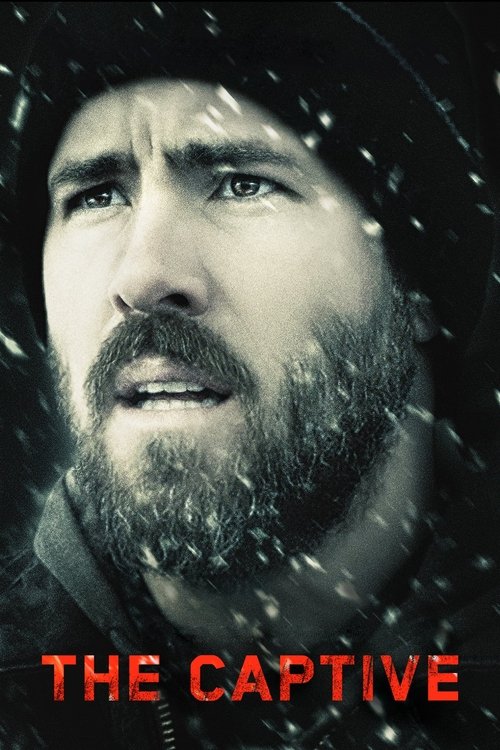
Eight years after their daughter Cassandra's abduction tore them apart, an estranged couple discover disturbing clues that indicate that she is still alive.
Ryan Reynolds
Matthew

Mireille Enos
Tina

Rosario Dawson
Nicole
Scott Speedman
Jeffrey
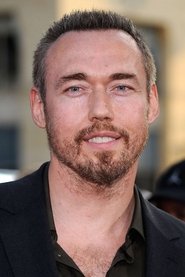
Kevin Durand
Mika
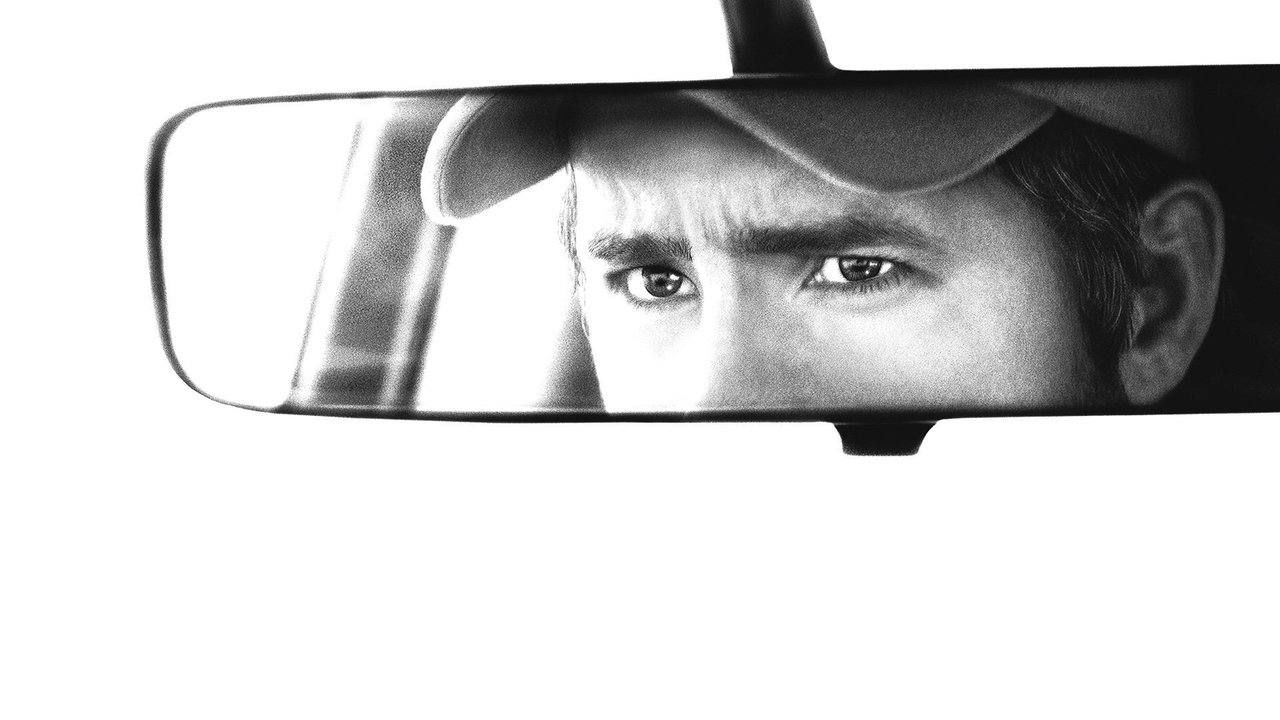
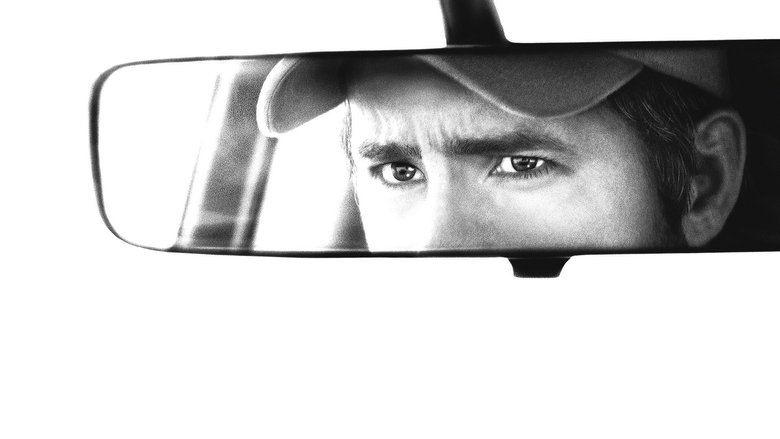
I keep thinking about the moment when Ryan Reynolds’ character, Matthew, sits in his truck, staring at a grainy surveillance feed of his daughter’s captor. The camera lingers on his face—not in close-up, but in a medium shot that lets us see the dashboard, the steering wheel, the way his fingers twitch against the plastic. There’s no score swelling, no dramatic zoom.
Just the hum of the engine and the glow of a laptop screen reflecting in his unblinking eyes. It’s the kind of quiet, unsettling shot Atom Egoyan has built a career on: a man trapped in his own gaze, surveilling the man who’s surveilling his child. The irony isn’t subtle, but it’s effective.
This is a film about watching, about being watched, and about the way obsession distorts both.
Egoyan has always been fascinated by the mechanics of control—how technology mediates relationships, how memory betrays us, how institutions fail the people they’re meant to protect. The Captive feels like a cousin to Exotica and The Sweet Hereafter, but where those films used their fractured timelines to peel back layers of grief, this one often feels like it’s just dropping pieces of the puzzle without ever letting us see the picture.
The non-linear structure isn’t the problem; it’s that the film doesn’t trust us enough to follow along. Scenes jump between the present and the eight years since Cassandra’s abduction, but the transitions are so abrupt that I found myself rewinding just to confirm I hadn’t missed a title card. (I hadn’t.
The film just doesn’t care if I’m lost.)
That’s a shame, because when The Captive does slow down, it has moments that stick. There’s a scene where Matthew, now estranged from his wife (Mireille Enos), visits the ice rink where Cassandra used to skate. The camera holds on the empty rink, the Zamboni circling like a ghost, while Matthew’s voiceover recalls the last time he saw her there.
It’s a simple setup, but the weight of it comes from Reynolds’ performance—his voice is steady, almost clinical, but his hands keep flexing at his sides, as if he’s trying to physically hold onto the memory. It’s the kind of detail that makes you realize how much Egoyan relies on his actors to sell the subtext, because the script often doesn’t.
"Strong performances and a haunting premise are undercut by confusing structure and underwritten characters."
Ryan Reynolds’ work and the parent–child relationship give the story real emotional weight, and several viewers single out the atmosphere and photography as unexpectedly strong. At the same time, the chopped-up timeline, awkward narrative layout, latestnetflix.com argues, and lack of deeper character-building leave the film feeling like a weaker echo of similar abduction thrillers and a clear missed opportunity.
Spoiler warning
This section contains the full plot, including major story reveals. Overview above stays spoiler-free.
On 13 March 2026, Atom Egoyan's The Captive crawled onto the U.S. Netflix film chart in eighth place. The next day it was fifth. A 2014 Canadian abduction thriller with a 28 percent Rotten Tomatoes score, Ryan Reynolds in winter light, and a Palme d'Or competition slot that still makes festival programmers wince. FlixPatrol logged the climb. Comic Book Resources called it redemption. latestnetflix.com's take is that Redemption is a strong word for a movie the director himself later described as the worst-reviewed film he ever made.
The Captive, still trailing the working title Queen of the Night in trade copy, premiered in Cannes competition on 16 May 2014. Morning press screening, scattered boos. The Hollywood Reporter's David Rooney wrote that Grace of Monaco suddenly did not look so embarrassing. Variety's Justin Chang called it a once-great filmmaker slipping into self-parody. Peter Bradshaw at The Guardian went with offensively preposterous. That night, Egoyan said, the public screening stood. He was not in the morning room. He called the press reaction his worst nightmare. 
A24 and DirecTV bought U.S. rights during the festival. Entertainment One kept Canada. Egoyan, on eOne's advice, skipped TIFF. Canada got a limited 5 September 2014 opening. America got DirecTV on 13 November and a token New York and Los Angeles run in December. Box office, about $2.09 million worldwide. 
A decade later, at a Doha Film Institute masterclass, Egoyan told Deadline he has not returned to Cannes with a film and does not want that Friday night again. Venice and Berlin got the later work. He still defends the picture. He praised Reynolds for coming back to Canada for a low-budget shoot at the height of his career, after Safe House and before Deadpool made him a corporation. He also tied the cabal plot to later Jeffrey Epstein headlines. That is his framing, not a court finding. Treat it as the director talking, not as a sourced link between the movie and the case.
The script began as Mozart. The kidnapper listens to the Queen of the Night aria and casts himself as Sarastro. Egoyan shot winter for eight years of story, all of it snow, Niagara Falls and Sudbury. Northern Ontario Heritage Fund put in C$1 million. Telefilm put in more. The title changed in October 2013 because Queen of the Night sounded like an opera night, which it sort of was.
Maclean's argued Cannes had no business parking this on the Palme track. Robbie Collin at The Telegraph liked it and called it Egoyan's best since The Sweet Hereafter. Most of the Croisette did not. Egoyan told Canadian press the cruelty stunned him, especially the charge of exploitation. He said the film goes to great pains not to be exploitative. The Guardian did not buy that.
Twelve years on, the algorithm does not care about Palme politics. Reynolds is Deadpool. The thumbnail is a missing child and a movie star. SlashFilm noted the sudden interest and pointed at the same Epstein news cycle Egoyan had already claimed. Whether that is why people hit play is guesswork. What is not guesswork is the chart. A film that opened to boos now sits in living rooms because the star became a brand and the subject never left the news.
Entertainment rumors and trivia aggregated from public reporting. Treat speculation as unverified unless a cited source confirms it.
Movies
Related titles ranked by rating and popularity.