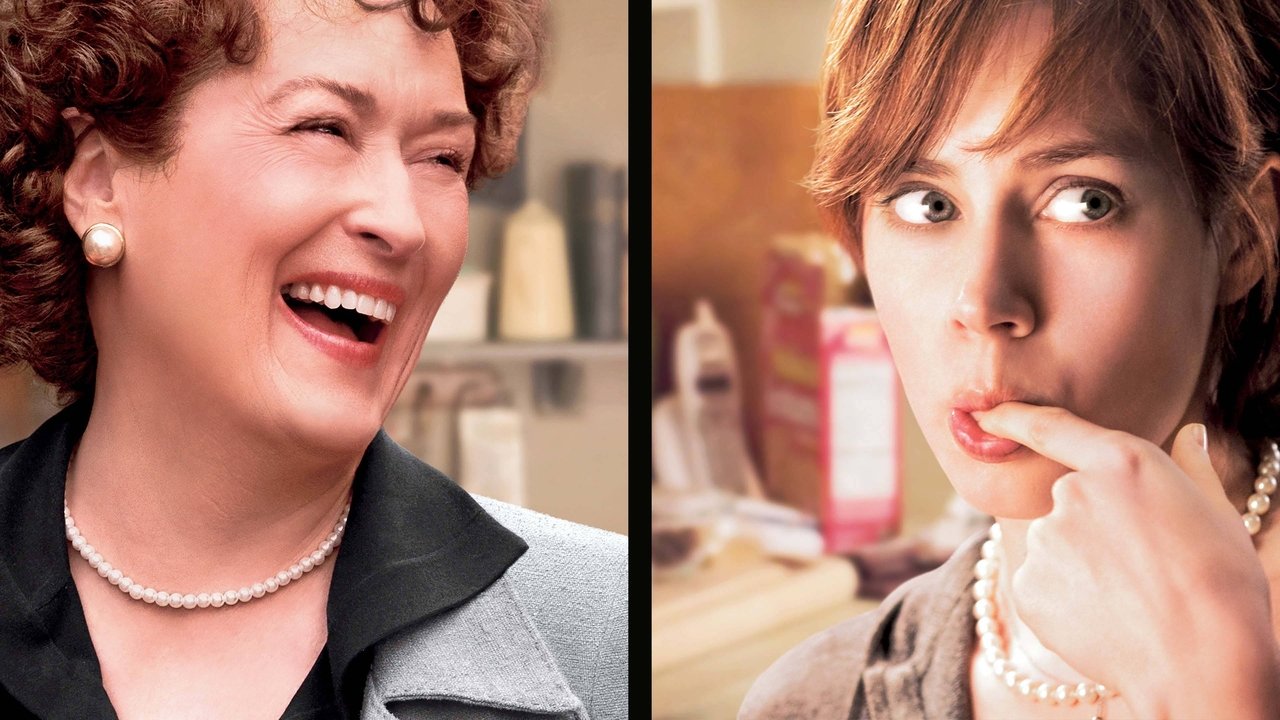

Meryl Streep
Julia Child
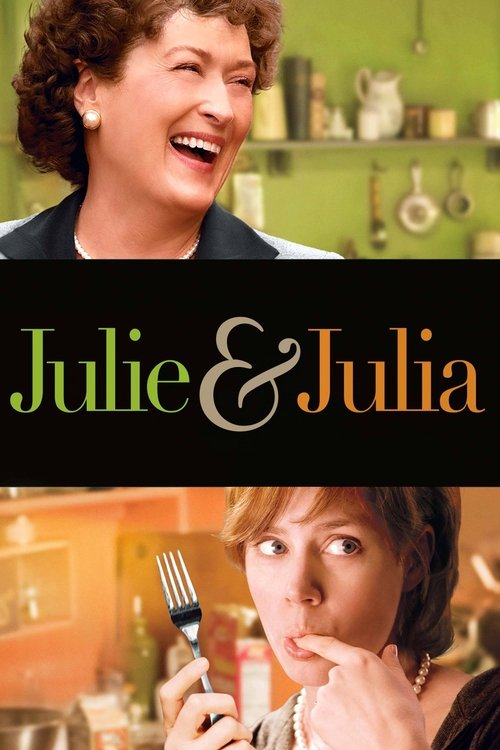
Julia Child and Julie Powell – both of whom wrote memoirs – find their lives intertwined. Though separated by time and space, both women are at loose ends... until they discover that with the right combination of passion, fearlessness and butter, anything is possible.
I keep thinking about the eggs. Not the ones Julie Powell cracks into a bowl at 2 a.m., her kitchen lit only by the glow of her laptop, but the ones Julia Child drops on the floor of her Parisian cooking school in the 1950s. The first time I watched Julie & Julia, I laughed at the mess—eggs sliding across the tile like tiny, translucent hockey pucks—but now I see something else: a woman learning that failure isn’t just part of the process, it’s the point.
Nora Ephron’s film isn’t really about food, or even about the two women whose lives it braids together. It’s about the quiet, stubborn courage it takes to keep going when the eggs break, the soufflé collapses, or the world doesn’t give a damn about your blog.

Ephron, who made her name turning romantic comedies into sharp, warm explorations of modern womanhood (When Harry Met Sally, Sleepless in Seattle), approaches Julie & Julia with the same deft touch. The film toggles between two timelines: Julia Child’s (Meryl Streep) journey from bored diplomatic wife to celebrated chef in post-war France, and Julie Powell’s (Amy Adams) year-long quest in 2002 to cook every recipe in Child’s Mastering the Art of French Cooking while documenting the chaos on her blog.
On paper, it sounds like a gimmick—Ratatouille meets Julie and Julia’s Excellent Adventure—but Ephron treats both stories as acts of rebellion. Julia’s isn’t just about mastering boeuf bourguignon; it’s about demanding a life beyond the expectations of her class and gender. Julie’s isn’t just about butter; it’s about clawing her way out of a dead-end job and a marriage that’s started to feel like a slow suffocation.
What’s striking is how Ephron refuses to let either woman’s story become a fairy tale. Julia’s rise is hard-won, marked by condescension from the culinary establishment and the quiet, gnawing fear that she’s too old, too tall, too American to ever belong. Streep plays her with a physicality that’s impossible to look away from—her hands fluttering like nervous birds, her voice a mix of helium and gravel, her body language oscillating between grand theatricality and moments of startling vulnerability.
Nora Ephron’s Julie & Julia (2009) serves up a double helping of culinary inspiration, blending the lives of Julia Child and Julie Powell into a film that’s equal parts heartwarming and chaotic. With Meryl Streep and Amy Adams leading the charge, the movie became a love letter to food, ambition, and the messy joy of chasing a dream—even if the behind-the-scenes recipe wasn’t always as smooth as the final product.
Ephron’s decision to intertwine Julia Child’s rise in 1950s Paris with Julie Powell’s 2002 blog-to-book journey was a bold move. The film toggles between Streep’s towering, effervescent Child and Adams’ frantic, relatable Powell, a structure that could’ve felt disjointed in lesser hands. But Ephron, known for her sharp wit and knack for romantic comedies (When Harry Met Sally, Sleepless in Seattle), leaned into the contrast, using food as the unifying thread  .
.
The gamble paid off—mostly. Critics praised Streep’s performance (unsurprisingly), while some questioned whether Powell’s story deserved equal billing. The SensCritique rating of 5.8/10 suggests the film’s reception was mixed, with detractors arguing the modern-day plotline lacked the gravitas of Child’s [3]. Still, Ephron’s direction kept the tone light, even when the stakes felt uneven.
Streep’s portrayal of Julia Child is so iconic it’s easy to forget it wasn’t a shoo-in. The actress reportedly spent months studying Child’s mannerisms, voice, and even her physicality—right down to the way she held a knife. Ephron, in interviews, marveled at Streep’s dedication, noting how she captured Child’s essence without resorting to caricature [6][10].
The real magic? Streep’s ability to make Child’s larger-than-life personality feel intimate. Whether she’s flipping an omelet or bellowing her signature "Bon appétit!", the performance is a reminder of why Streep remains one of Hollywood’s most formidable talents. Stanley Tucci, playing Child’s husband Paul, provided the perfect foil—warm, supportive, and effortlessly charming [1][10].
While Streep stole scenes, Adams’ Julie Powell grounded the film in modern-day reality. Her portrayal of a frustrated government worker turned blogging sensation was messy, funny, and deeply human. Powell’s journey—complete with meltdowns, marital strain, and a kitchen that looked like a war zone—resonated with audiences who saw themselves in her struggles [2][9].
But the film’s take on Powell wasn’t without controversy. Some critics argued the movie softened her edges, turning her into a more palatable version of the real woman. Ephron, however, defended the choice, framing Powell’s story as a testament to the power of persistence [6]. Whether or not the film did Powell justice remains a topic of debate, but Adams’ performance ensured her arc was compelling, even if it occasionally played second fiddle to Child’s.
Food was the star of Julie & Julia, and the production went all-in on authenticity. Streep trained with a chef to master Child’s techniques, while Adams learned to butcher a duck and debone a chicken—skills she likely never expected to add to her résumé [5][10]. The film’s kitchen scenes were shot in real time, with Ephron insisting on practical effects over CGI. The result? A feast for the eyes, even if the behind-the-scenes process was anything but glamorous.
Rumor has it the cast and crew grew tired of the constant food prep, with some joking that they’d never eat French cuisine again after filming wrapped [unconfirmed]. Still, the effort paid off, with the movie’s culinary sequences becoming some of its most memorable moments.
Julie & Julia was one of Ephron’s last films before her death in 2012. Known for her razor-sharp wit and ability to craft stories about complex women, she brought those strengths to this project, even if it wasn’t her most commercially successful . The film’s blend of humor, heart, and foodie fantasy reflected her signature style—warm, witty, and just a little bit messy.
In the end, Julie & Julia is a celebration of passion, whether it’s for cooking, writing, or simply refusing to give up. The behind-the-scenes stories—Streep’s dedication, Adams’ relatability, Ephron’s vision—only add to its charm. It may not be a perfect film, but it’s a delicious one.
Entertainment rumors and trivia aggregated from public reporting. Treat speculation as unverified unless a cited source confirms it.
Movies
Related titles ranked by rating and popularity.