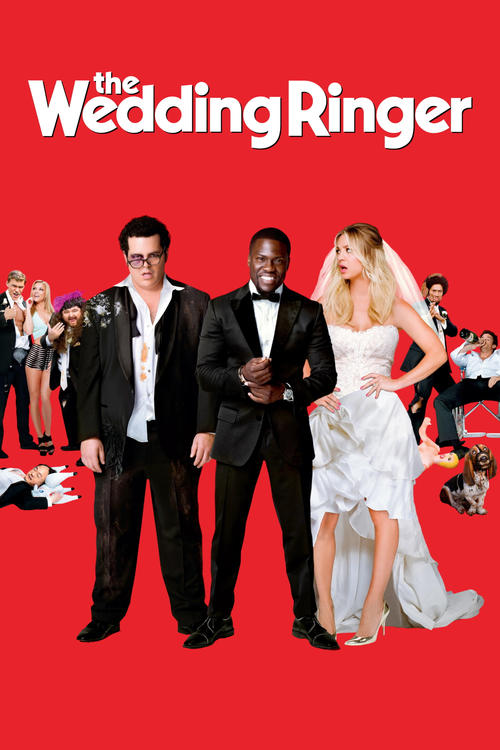

The Business of BelongingThere is something inherently pathetic about the "Best Man" construct in American romantic comedies. It’s a role that demands a specific kind of performance: the reliable best friend, the keeper of the rings, the master of the toast, the guy who ensures the groom doesn't look like an island. In *The Wedding Ringer*, Jeremy Garelick’s 2015 outing, the premise takes this social contract and curdles it into a transactional service. It’s a film that posits a sad, cynical truth about modern masculinity: we are so starved for genuine connection that we’d rather hire a stranger to fake it than admit we’re lonely.

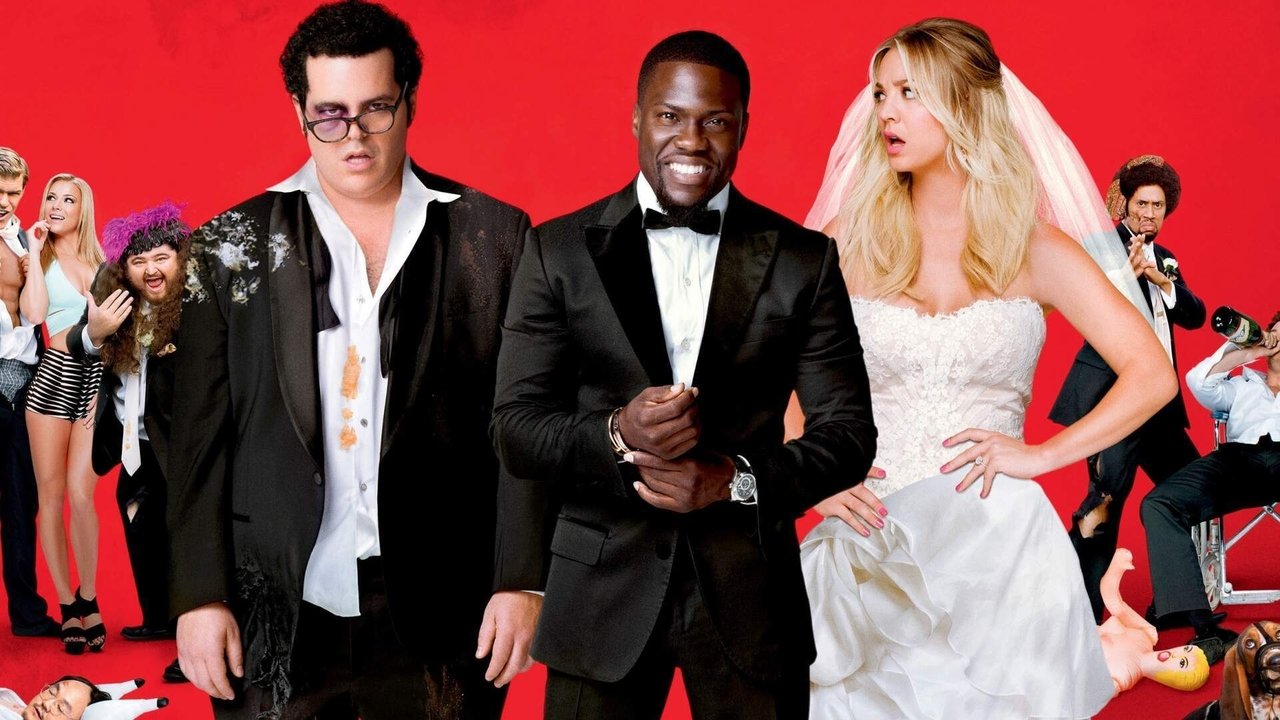
The film’s architecture is strictly by-the-book. You have Doug Harris (Josh Gad), a man so profoundly unmoored from his own social reality that he needs to outsource his identity. Gad plays him with a sort of frantic, damp-palmed desperation that feels almost too real. He isn't just a nerd; he's a guy who has spent his entire adult life apologizing for his own existence. Then comes Jimmy Callahan (Kevin Hart), the "Best Man for Hire," who treats friendship as a high-stakes, high-octane consultancy firm. Hart is doing his patented motor-mouth thing, but there’s a hardness underneath. He’s essentially a gig worker in a bespoke suit.
Watching them is like watching a collision between two different kinds of desperation. Doug needs a best man to validate his life, and Jimmy needs the job to validate his business model. The tragedy—and the only reason this thing holds your attention—is that they both desperately need to be "real" without knowing how to build it from scratch.

There’s a scene about halfway through where the artifice starts to show cracks, specifically during a disastrous photo session meant to fabricate a lifetime of shared memories. It’s a sequence that could have been pure slapstick, but instead, it pivots into something colder. As they pose, trying to manufacture a look of "lifelong camaraderie," you realize the camera isn't capturing friendship; it’s capturing the absence of it. The editing here is jagged, restless, cutting away just before we have to really sit with the hollow look in their eyes. A.O. Scott, writing for *The New York Times*, hit on this discomfort perfectly when he noted that the film "manages to be both gross and sentimental, a combination that is usually, in movies of this kind, a reliable recipe for success."
That "gross and sentimental" mix is really the film's only gear. It wants to give us a bromance, but it doesn't trust that two men could just become friends without the intervention of slapstick hijinks, a burning house, or a dog attack.

Kevin Hart’s career has largely been defined by his explosive, high-energy presence, but here he’s forced to play a character who is fundamentally allergic to his own feelings. You can see it in his posture—he stands too straight, he never lets his guard down, and when he laughs, it never quite reaches his eyes. It’s a performance of a performance. When the film finally tries to pivot to a sincere emotional climax, the machinery of the plot is so heavy-handed that it nearly crushes the genuine work Gad and Hart have done to build a rapport. It’s a shame, really. There’s a better movie buried in here—one about two sad, lonely men finding common ground in a world that demands they be something else—but it’s buried under layers of formulaic wedding antics and predictable misunderstandings.
Ultimately, *The Wedding Ringer* functions as a strange, accidental mirror. It’s a movie that creates a fake best man to solve a fake problem, and in doing so, it accidentally highlights how lonely the real world is. Maybe that’s not what Garelick intended, but it’s what sticks with you after the credits roll. We’re all, in some way, performing our lives to make them look a little more filled-in than they actually are. It’s a difficult thing to watch, even when it’s wrapped in the shiny, frantic paper of a studio comedy.