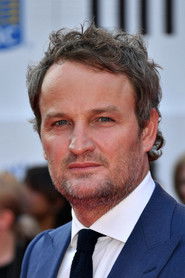
Jason Clarke
Rob Hall
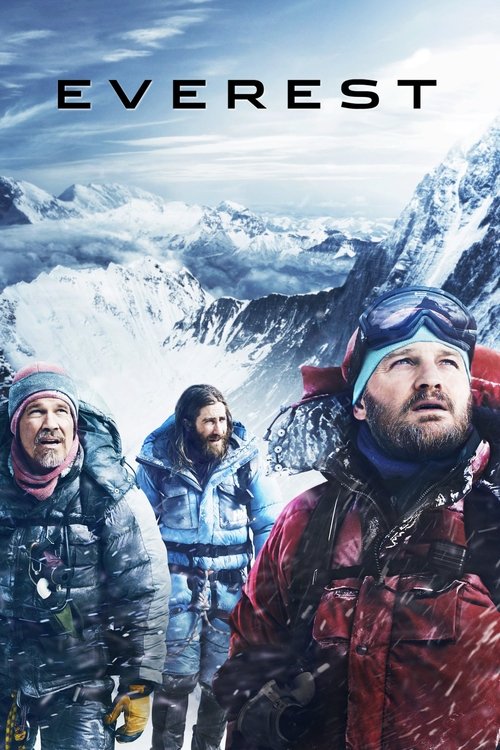
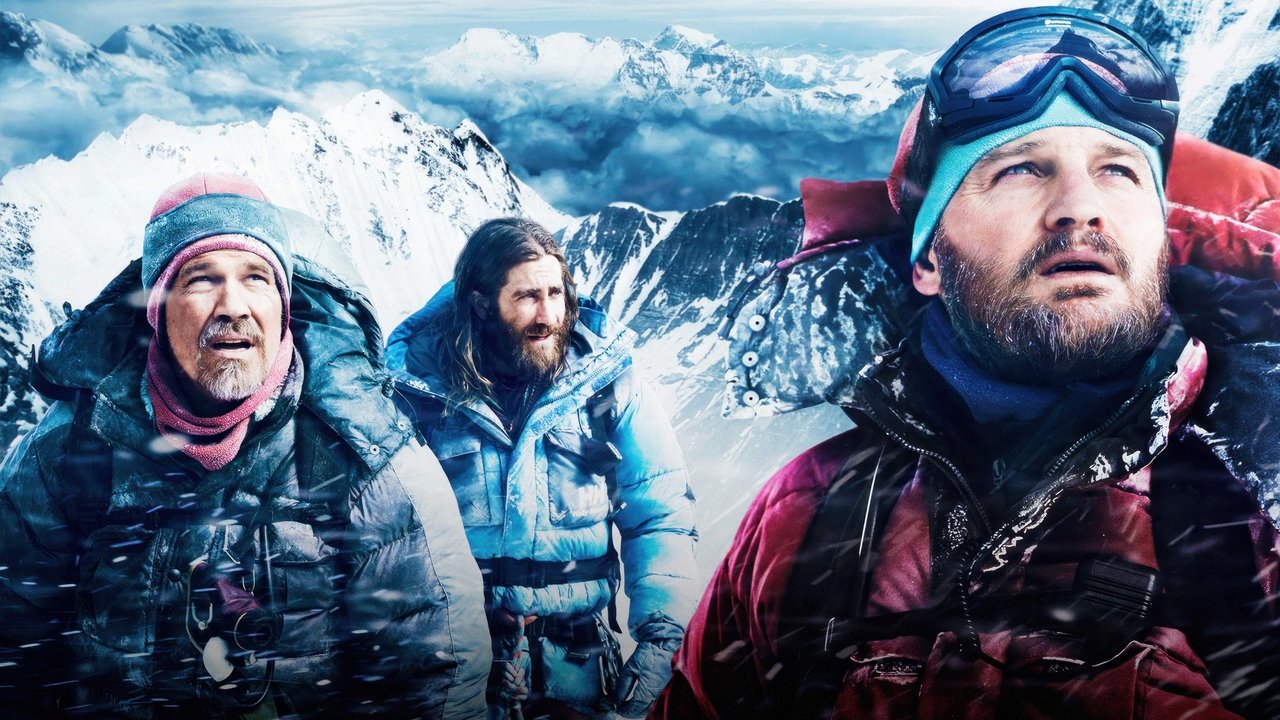
Inspired by the incredible events surrounding a treacherous attempt to reach the summit of the world's highest mountain, "Everest" documents the awe-inspiring journey of two different expeditions challenged beyond their limits by one of the fiercest snowstorms ever encountered by mankind. Their mettle tested by the harshest of elements found on the planet, the climbers will face nearly impossible obstacles as a lifelong obsession becomes a breathtaking struggle for survival.
I’ve never climbed a mountain, but I’ve sat through enough disaster movies to know the rhythm: the calm before the storm, the slow unraveling, the moment when the screen fills with chaos and you realize no one is getting out unscathed. Everest follows that rhythm, but with a difference. The storm here isn’t just a plot device—it’s a character, one that doesn’t roar so much as whisper, then strangle. And the real disaster isn’t the avalanche or the blizzard, but the way the film forces you to confront how little separates survival from surrender when the air runs out.
Baltasar Kormákur, a director who seems to thrive in extremes (Contraband, The Deep), doesn’t just recreate the 1996 Everest disaster—he immerses you in it. The film opens with a deceptive serenity: wide shots of climbers moving like ants across a white expanse, their breath visible in the cold. The camera lingers on the details—the crunch of ice under crampons, the way a glove fumbles with an oxygen tank, the static crackle of a radio.
It’s the kind of realism that doesn’t feel like realism at all, because it’s too quiet, too patient. You’re not watching a disaster movie; you’re watching people go to work. And then, slowly, the work starts to kill them.

The film’s greatest strength is its refusal to turn the mountain into a villain. Everest isn’t malevolent—it’s indifferent. The storm that traps the climbers isn’t a sudden twist; it’s the inevitable consequence of human hubris, of guides and clients pushing past their limits because the summit is right there.
Kormákur doesn’t judge them for it. Instead, he lets the mountain do the judging, in the form of frostbitten fingers, slurred speech, and the slow, creeping realization that the way down is no longer an option. There’s a scene where Jason Clarke’s Rob Hall, a guide who’s led dozens of clients to the top, radios base camp to say he’s turning around.
"A gripping but uneven disaster drama that thrives on strong performances and breathtaking visuals, though it struggles with emotional depth."
Viewers praise *Everest* for its intense and immersive depiction of the 1996 Mount Everest disaster, with standout performances from Jason Clarke and Josh Brolin adding weight to the survival narrative. The film’s stunning cinematography and realistic portrayal of the mountain’s dangers are frequently highlighted as its strongest assets. However, some find the emotional impact diluted by a fragmented focus on multiple characters, leaving key relationships feeling underdeveloped.
Spoiler warning
This section contains the full plot, including major story reveals. Overview above stays spoiler-free.
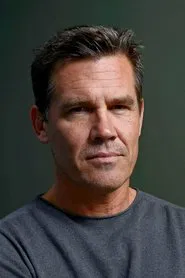
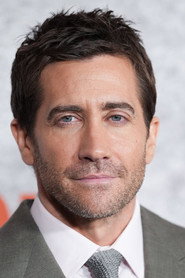
Baltasar Kormákur’s Everest (2015) promised audiences a harrowing retelling of the 1996 Mount Everest disaster, but the making of the film itself became a survival story. With a cast including Jason Clarke, Josh Brolin, and Jake Gyllenhaal, the production faced extreme conditions—some eerily mirroring the tragedy it depicted.
The film’s crew didn’t just simulate danger—they lived it. Reports confirm that while filming in the Italian Alps and Nepal, the production battled real avalanches, forcing evacuations and delays [7]. Kormákur, known for his hands-on approach, insisted on shooting in harsh environments to capture authenticity. In interviews, he described the physical toll: "We were at 5,000 meters, and the actors were exhausted. It wasn’t acting; it was real" [6]. The crew’s struggles added a layer of irony—filming a movie about disaster while dodging one.
Jason Clarke, who played lead guide Rob Hall, admitted the shoot was grueling. In a featurette, he revealed that the team trained for months to endure high-altitude conditions, but nothing prepared them for the psychological strain [2]. Jake Gyllenhaal, who portrayed Scott Fischer, echoed the sentiment, calling the experience "a test of endurance" [5]. Even the actors’ breathlessness in key scenes wasn’t always acting—some takes were shot in subzero temperatures with minimal oxygen [7].
Kormákur, an Icelandic filmmaker with a reputation for blending local stories with global appeal  , took risks to ground Everest in realism. He reportedly turned down studio offers to shoot on soundstages, opting instead for practical locations [6]. The gamble paid off visually, but it came at a cost: production overruns and safety concerns. Rumors (unconfirmed) suggest some crew members refused to return after near-miss incidents, though no official statements were released.
Critics were divided. While Everest earned a modest 6.4/10 on SensCritique , praise centered on its immersive cinematography and Clarke’s performance. However, some survivors of the 1996 disaster criticized the film for dramatizing real-life tragedy. Kormákur defended his approach, arguing that the story needed to be told with emotional weight [6].
Entertainment rumors and trivia aggregated from public reporting. Treat speculation as unverified unless a cited source confirms it.
Movies
Related titles ranked by rating and popularity.