
Anna Kendrick
Beca Mitchell
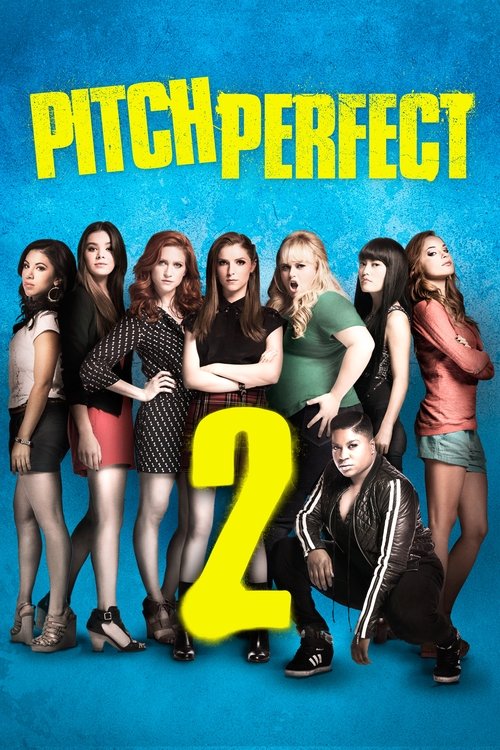
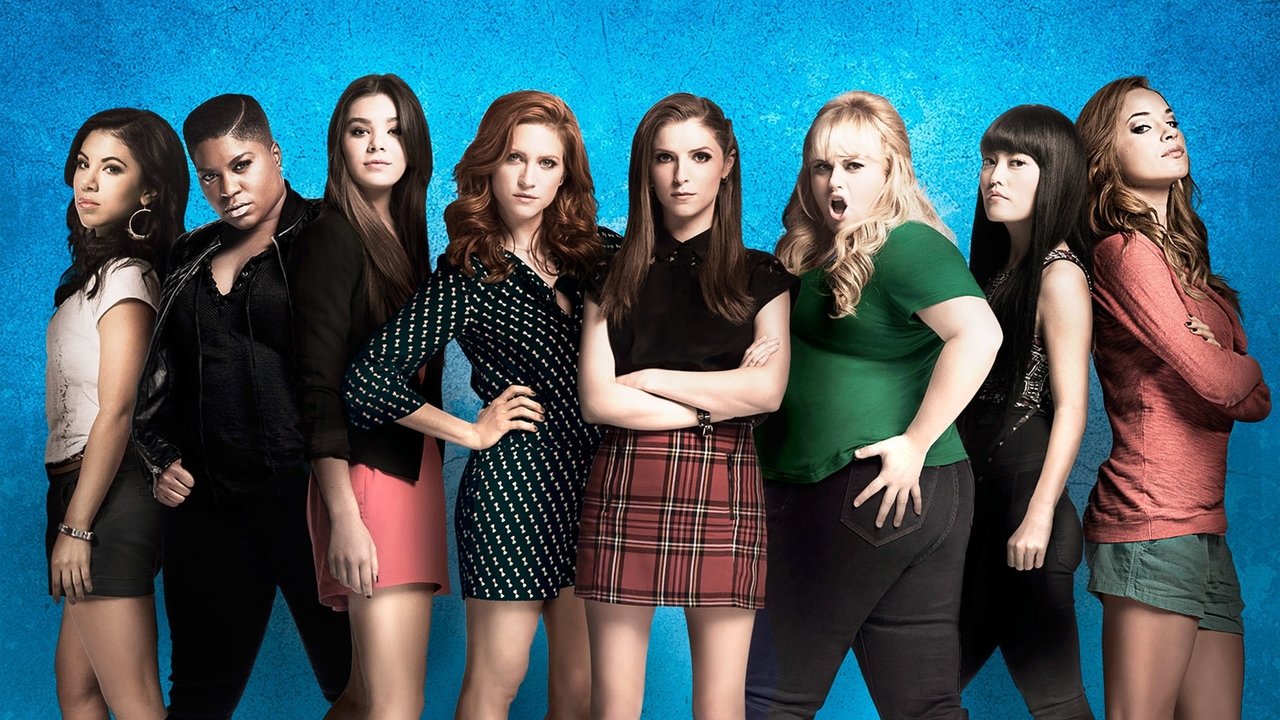
The Bellas are back, and they are better than ever. After being humiliated in front of none other than the President of the United States of America, the Bellas are taken out of the Aca-Circuit. In order to clear their name, and regain their status, the Bellas take on a seemingly impossible task: winning an international competition no American team has ever won. In order to accomplish this monumental task, they need to strengthen the bonds of friendship and sisterhood and blow away the competition with their amazing aca-magic! With all new friends and old rivals tagging along for the trip, the Bellas can hopefully accomplish their dreams.
I keep coming back to the same small pleasure in Pitch Perfect 2: it knows exactly how silly it is, and then it leans a little farther into the silliness anyway. That’s harder to do than people think. A sequel to a surprise hit can get stiff with self-protection, terrified of repeating itself too plainly or straying too far from the thing audiences came to see.
Elizabeth Banks, making her feature directing debut here after playing Gail in the first film, seems to understand that the safest move is not caution but confidence. So the movie opens itself up, lets the rooms get bigger, the stakes get more absurd, and the jokes get a little meaner around the edges.
The cultural conversation around Pitch Perfect 2 was always going to be about sequel logic. Could a college-a cappella comedy become an international sports-movie-in-disguise without losing its charm? Could the Bellas, whose original appeal came from their bruised amateurism, survive being polished into a corporate brand of one?
Banks clearly takes that question seriously, even when the movie is too busy making Elizabeth Banks, as a hilariously overbearing competition emcee, shout into a microphone. There’s a sly anxiety running underneath the glossy surfaces: what happens when a group built on being underestimated becomes famous enough to be embarrassing in public?
What I like most is that Banks doesn’t direct the film like a shrug. She stages it with a little more breadth and a lot more physical comedy than the first one had. The camera doesn’t just sit and admire the punch lines; it keeps nudging the actors into awkward, competitive spaces where bodies have to do the work that jokes can’t.
A lot of sequels get lazy because they think recognition is enough. This one knows recognition is only useful if it’s followed by escalation. The Bellas’ old rhythms are still there — the group choreography, the performance of intimacy, the constant switching between confidence and panic — but now those rhythms are under pressure from scale.
Bigger stages. Bigger spectators. Bigger humiliation.
The most talked-about set piece, and the one that still seems to define the movie’s identity, is the riff-off atmosphere around the title’s big competition sequences: human voices trying to outdo one another in tidy little battles that have the shape of a gladiator match and the sound of a dorm-room dare. I’m not entirely sure the film fully solves the problem of turning a scrappy collegiate comedy into an international-pageant story.
Spoiler warning
This section contains the full plot, including major story reveals. Overview above stays spoiler-free.
Movies
Related titles ranked by rating and popularity.