Anne Dorval
Diane 'Die' Després

A peculiar neighbor offers hope to a recent widow who is struggling to raise a teenager who is unpredictable and, sometimes, violent.
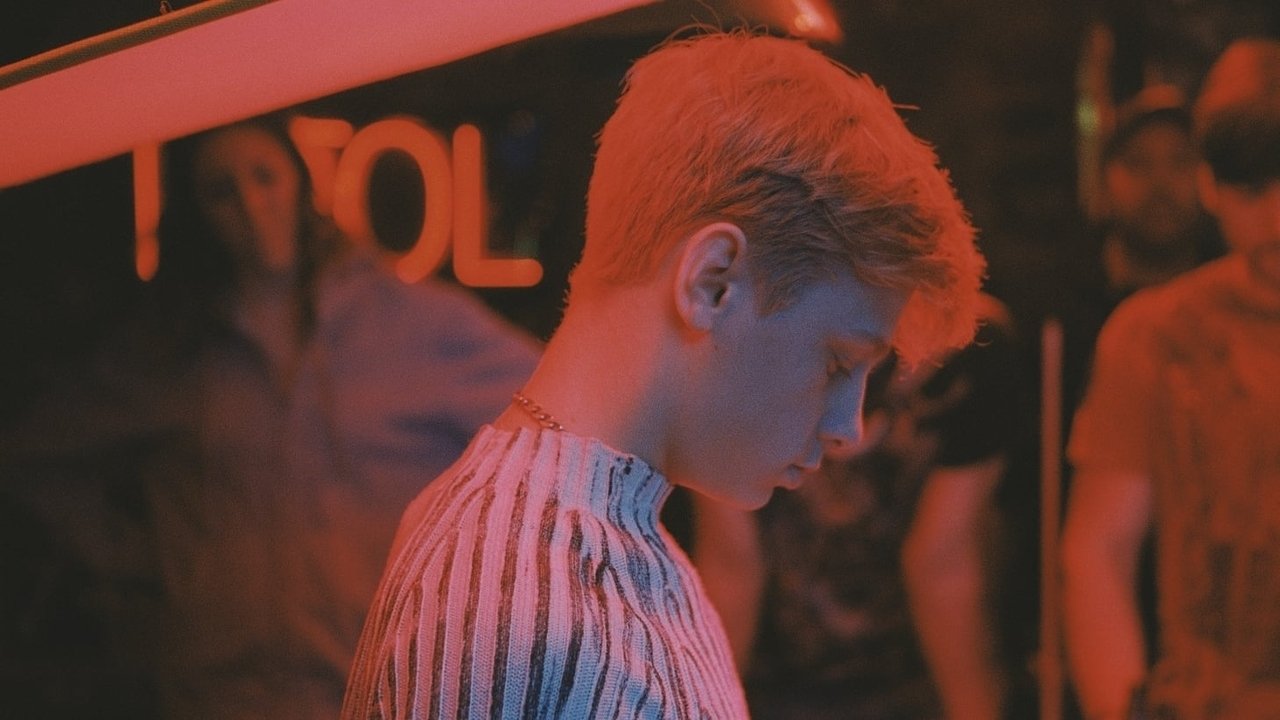
Xavier Dolan’s Mommy begins with an emotional problem so ordinary it can feel almost rude to call it cinema: what do you do with a child who can’t be contained by the life around him? Not in the cute, unruly way movies sometimes package rebellion, but in the daily, exhausting, humiliating way that turns a kitchen into a battlefield and a walk down the street into a public event.
I kept thinking, while watching it, that Dolan understands something many films about “difficult” families miss: the crisis isn’t only violence. It’s the choreography of trying to live around violence. The pauses before a door opens.
The way adults lower their voices. The way a whole home starts to feel like it’s bracing itself.
Dolan was only in his early twenties when he made this, which still feels almost preposterous. His earlier films — especially I Killed My Mother and Heartbeats — were already full of mother-child tension, emotional vanity, and characters who mistake intensity for intimacy. But Mommy is the one where he finds a form big enough for his obsessions and small enough to hurt.
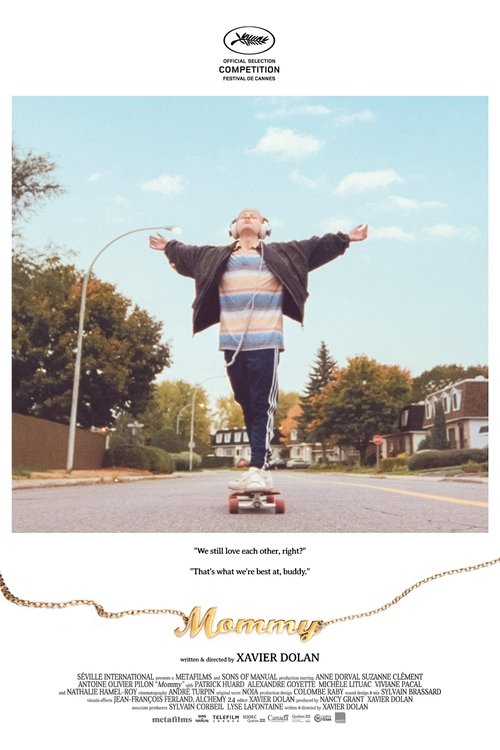
It arrived in the middle of a broader conversation about festival cinema that year: the buzz wasn’t just about a young director showing off, but about a filmmaker using a deliberately oversized canvas in 1:1 square aspect ratio. That choice got talked about constantly, and for good reason. It’s not a gimmick here.
It’s the movie’s governing moral fact.
A square frame can feel cramped, even punitive, and Dolan uses that feeling with real intelligence. These people are not given the horizontal escape hatch of ordinary widescreen composition; they are pressed together, stacked vertically, trapped inside doorways and hallways and the compressed geometry of domestic life. Then, when openness briefly appears — a road, a memory, a fantasy of freedom — the film seems to inhale.
That breathing room matters. I don’t just mean visually. Emotionally, too.
The movie keeps asking whether love is a shelter or a sentence.
What people kept arguing about, in the wake of the film’s release, was whether Dolan’s style is too knowing for its own good — whether he’s using pop songs, slow motion, and canted compositions to turn pain into a kind of adolescent opera. Maybe. I can see the complaint.
He has a habit of announcing feeling before he’s earned it. But in Mommy that excess feels less like vanity than panic. The soundtrack does a lot of the heavy lifting, especially when a familiar song suddenly floods the scene and the movie opens itself to a memory, a fantasy, or a cruel emotional shortcut.
Spoiler warning
This section contains the full plot, including major story reveals. Overview above stays spoiler-free.
Movies
Related titles ranked by rating and popularity.