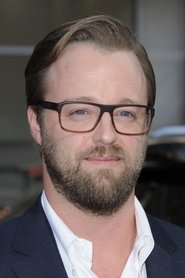
Heather Donahue
Heather Donahue
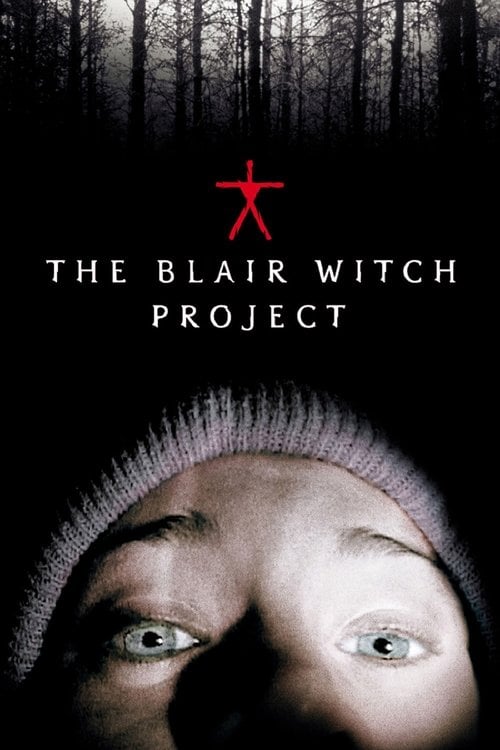
“Everything you've heard is true.”
In October of 1994 three student filmmakers disappeared in the woods near Burkittsville, Maryland, while shooting a documentary. A year later their footage was found.
I still think about the sound before I think about the monster. The snapping twigs. The awkward, human thud of a camera being hurried through undergrowth.
The little bursts of panic in voices that sound less like actors performing terror than people trying, badly, to stay organized while they’re scared. That, more than anything, is why The Blair Witch Project still gets under my skin. It doesn’t arrive as a spectacle.
It arrives as a mess.
When Daniel Myrick and Eduardo Sánchez released it in 1999, they weren’t making a neat little horror movie with a tidy mythology and a glossy creature reveal. They were working at the edge of a new pop-cultural anxiety: the internet as rumor mill, the documentary as a form people still trusted, the idea that images could be evidence and performance at the same time. The film’s famous fake-paratext—the missing students, the found footage, the local legend—wasn’t just a marketing gimmick, though it was that too.
It was part of the artwork. In a pre-social-media era, Blair Witch understood how quickly a story could become “true” if it sounded a little too specific.
That’s the conversation around it, really. Not whether the witch exists. Whether belief itself is the engine.
The film came out of the late-’90s moment when reality TV was getting its grip, the indie market was rewarding rough textures, and horror had started to rediscover its old trick: fear the unseen, and let the audience do half the work. Myrick and Sánchez weren’t the first to use handheld chaos, but they were among the smartest at making the camera feel complicit. We aren’t merely watching these students get lost; we’re watching the act of recording become part of the trap.
The best-known scenes are famous because they’re so irritatingly ordinary. Heather forcing everyone to stand still while she maps their route. Josh vanishing, then the weird bundle of sticks and teeth.
The final approach to that house in the woods, which I won’t pretend is a major special-effects triumph; it’s something meaner than that. It’s a body moving toward an answer it doesn’t want. And there’s the nighttime tableau that still does the trick for me: the tent trembling, the darkness pressing close, the sound of someone or something circling just outside the tiny square of human shelter.
Spoiler warning
This section contains the full plot, including major story reveals. Overview above stays spoiler-free.
Movies
Related titles ranked by rating and popularity.