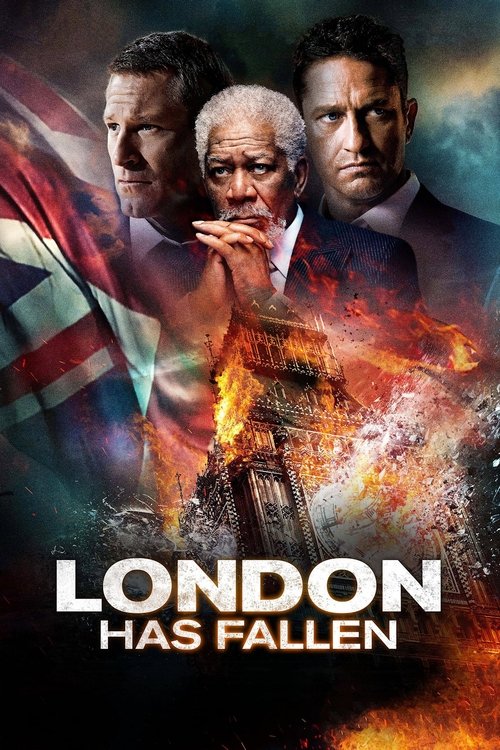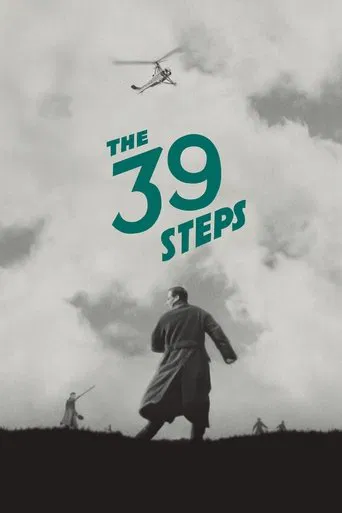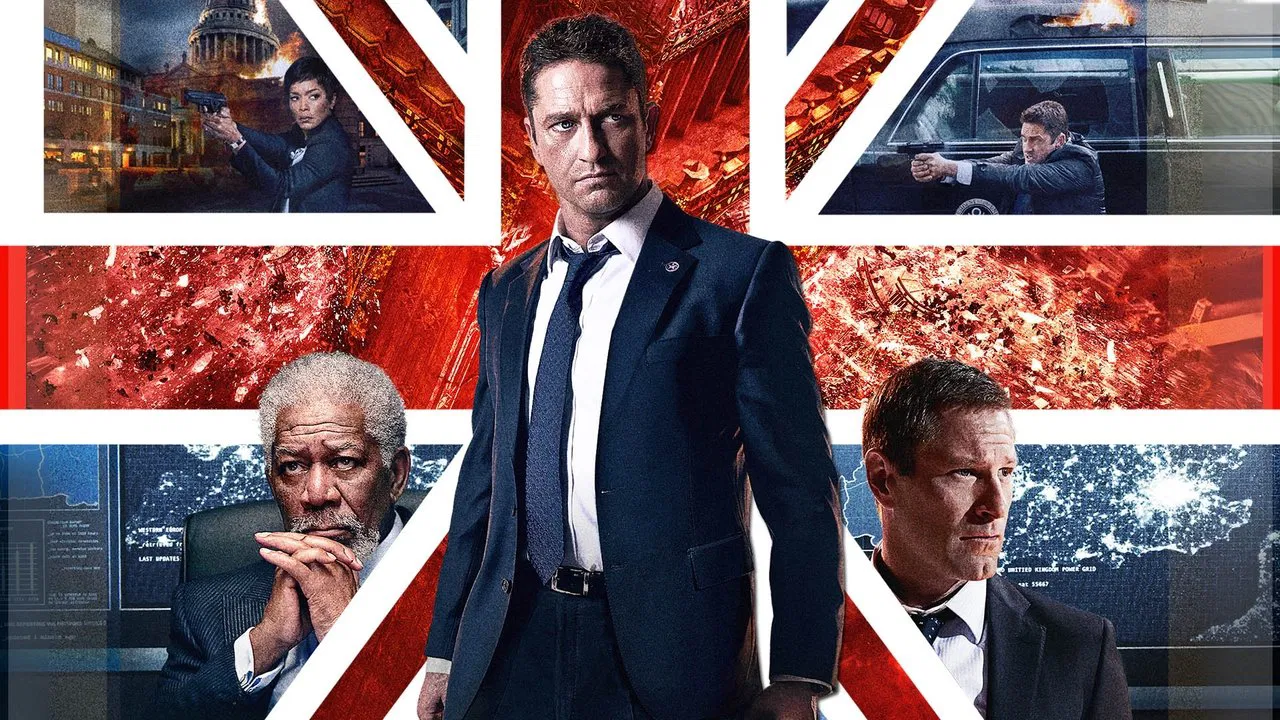
Movie poster for London Has Fallen (2016)

London Has Fallen

“The world's leaders have assembled. So have their enemies.”

2016
1h 39m
Director: Babak Najafi
Play trailer

Overview

In London for the Prime Minister's funeral, Mike Banning discovers a plot to assassinate all the attending world leaders.

Cast

12 people

Reviews

5 min read

A Very Expensive Siege

I kept thinking, while watching London Has Fallen, that the movie is obsessed with institutions in the same way a child is obsessed with breakable objects: not because they’re useful, but because they make such satisfying noise when they shatter. Babak Najafi’s film arrives as a sequel to Olympus Has Fallen, but it doesn’t really behave like one sequel so much as a louder, meaner repeat performance with the same bruised leather jacket on.

The premise is pure emergency-movie machinery: heads of state gather for a funeral in London, and then the city becomes a hunting ground. What’s interesting isn’t the setup — which is blunt to the point of cartoon clarity — but the movie’s gleeful insistence that modern power is just a fragile stack of glass domes, motorcades, and handshake optics waiting for a boot to the floor.

Najafi, who came to this from the Swedish crime-thriller world, approaches the material like someone hired to turn a formal dinner into a bar fight. The direction is efficient, almost stubbornly so. There’s no elegance here, no interest in the geography of London as a lived-in city; instead, the film treats the capital as a chain of targets.

Westminster, the streets, the bridges, the river — each becomes another checkpoint in a video-game relay of destruction. That bluntness is part of the film’s appeal, I think, and also part of its limitation. Najafi doesn’t have the flair of a director trying to make action poetic, but he does have a feel for momentum.

Once the attack starts, the movie doesn’t so much build as pummel.

A lot of the conversation around London Has Fallen at the time centered on its timing. It arrived in a period when large-scale attacks in Europe were already living very close to public anxiety, and the film’s habit of reducing a city to a smoking corridor of siege imagery felt, to some viewers, less like escapism than a bad joke told in poor taste. I can see that response.

The movie doesn’t have much patience for nuance; its villains are globalized ghosts with easy ideology and impossible reach. But the film’s real subject is less terrorism than vulnerability — the embarrassing fact that the machinery of state power depends on luck, muscle memory, and one exhausted bodyguard who happens to be good at breaking bones. In 2016, that felt like a particularly American fantasy: if the world is collapsing, maybe the right guy can still punch a path through it.