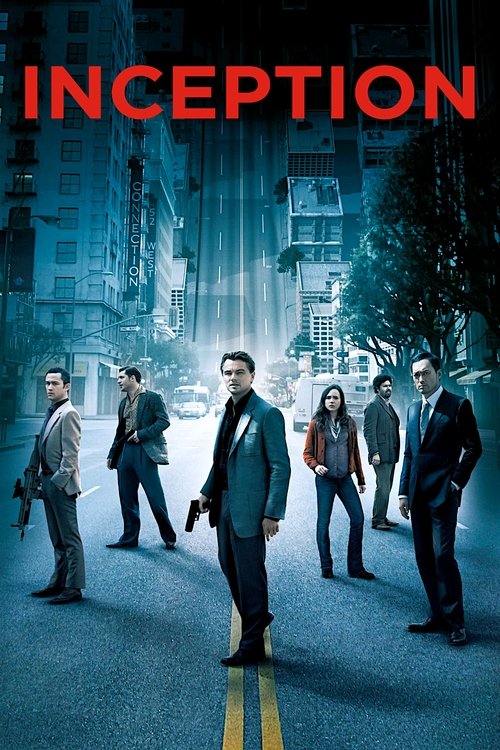

The Architecture of a GhostI can still remember the walk out of the theater in 2010: legs leaden, lobby somehow heavier than when I went in. *Inception* has that effect. It throws off your balance before it tests your brain. Christopher Nolan’s mind-heist movie is not only about stealing secrets; it’s about the elaborate realities people build so they don’t have to drown in grief. The film is famous for its stacked layers of exposition and action, but what keeps the whole machine from turning into a bloodless equation is the hurt sitting dead center inside it.
Nolan first had the idea back in university, when he was broke, living off free college breakfasts, and stumbling into lucid dreams where he realized he could briefly steer the world around him. You can feel that student fascination with control in every scene. But the older filmmaker who finally made *Inception* is just as interested in what control does to a person once it curdles. Leonardo DiCaprio’s Dom Cobb treats dreams like a worksite, using a military experimental drug to break into other people’s subconscious minds. He’s an architect of illusions, sure, but he’s also a junkie for the one place where his dead wife, Mal (Marion Cotillard), is still reachable. The movie keeps circling the same ugly truth: if you can command every detail, you can also trap yourself inside it.
(At a certain point, a lot of Nolan heroes start to look like men furiously drafting rulebooks so the universe will stop moving under their feet.)

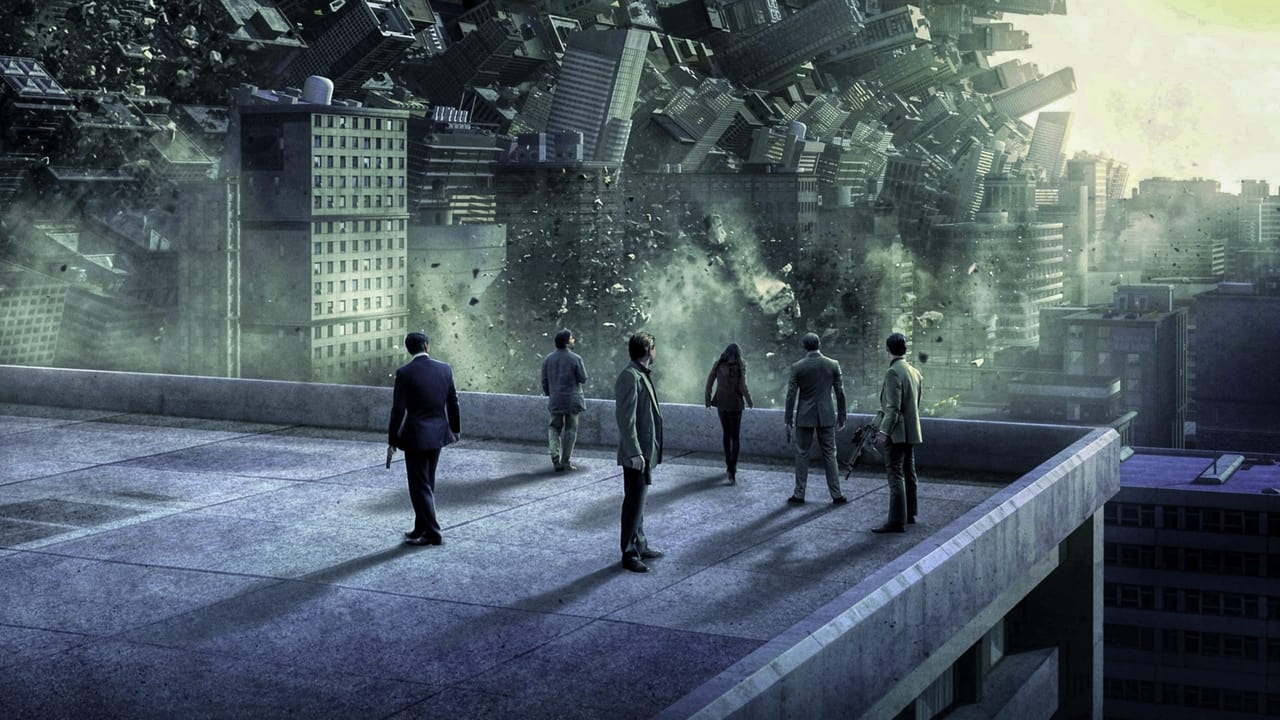
What still knocks me out is how physical the movie feels. Think about the Paris café scene. Cobb explains dream mechanics to Ariadne (Elliot Page) over coffee, and then fruit stands, cobblestones, and storefront glass start bursting around them in syrupy slow motion. It doesn’t read like a computer smear. It looks like matter actually tearing itself apart, which tracks, because Nolan used high-pressure nitrogen to blast real debris through the air on a real Paris street. That choice matters. The subconscious here isn’t a melting Dali joke; it’s solid, bruising space. When the city folds over on itself, the impossible lands with a thud instead of a shrug.
And at the center of all that machinery is DiCaprio, holding the film together by refusing to overplay it. After breaking out with the feral fury of *This Boy's Life* and spending the 2000s inhabiting men warped by compromise, he knows exactly how to show someone fraying without making a show of it. Look at his shoulders, always locked tight. Look at the way his eyes keep flicking upward as if the past might crash through the ceiling at any second. Tom Hardy gets the sly flourishes as Eames. Joseph Gordon-Levitt gets the polished calm as Arthur. DiCaprio mostly looks like a man trying not to come apart in public.

The movie has always had skeptics. Roger Ebert called it a "breathtaking juggling act", while A.O. Scott in the *New York Times* wrote that "though there is a lot to see in 'Inception,' there is nothing that counts as genuine vision". Your response probably comes down to how much patience you have for a film where characters spend half the runtime explaining the rules to one another. Fair enough. Some of the dialogue really does sound like an instruction manual barked out under duress.
Still, none of that sinks it for me. Beneath the booming Hans Zimmer score and the zero-gravity brawls, *Inception* is about how long it takes to let the dead go. The last stretch isn’t only a ticking-clock mission. It’s Cobb finally facing the ghost he built from his own guilt. When he turns away from the spinning top, choosing to see his children instead of solving the riddle, the movie stops feeling like a puzzle. It feels like an admission. He doesn’t need certainty. He needs home.