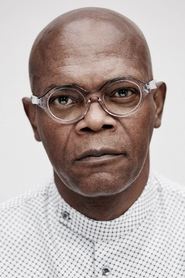
Samuel L. Jackson
Major Marquis Warren
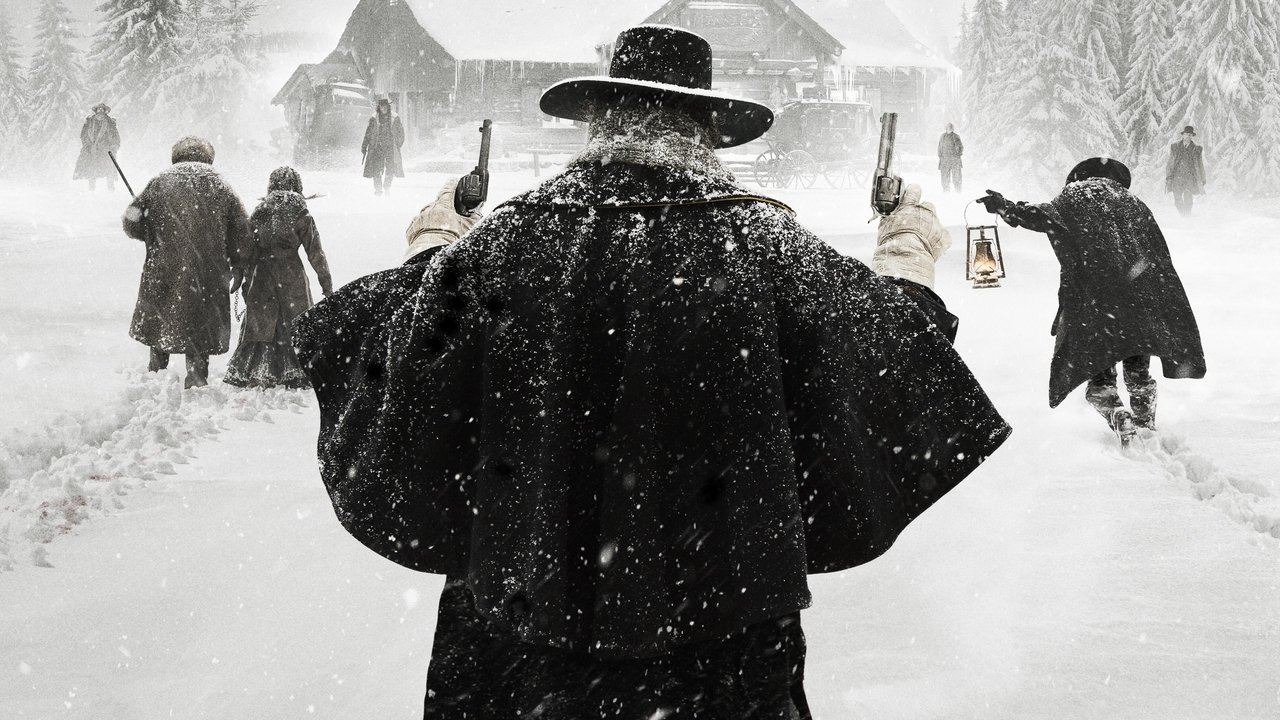
“No one comes up here without a damn good reason.”
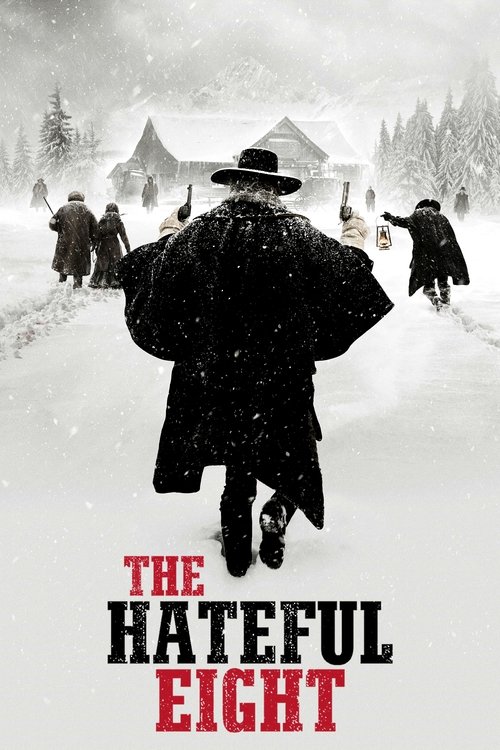
Bounty hunters seek shelter from a raging blizzard and get caught up in a plot of betrayal and deception.
I’ve seen The Hateful Eight three times now, and each viewing leaves me with the same paradox: I’m exhilarated by its craft, exhausted by its cruelty, and haunted by the way it lingers in the mind like a half-remembered nightmare. Quentin Tarantino’s eighth film is a snowbound chamber piece that doubles as a referendum on his own obsessions—violence as spectacle, dialogue as weapon, history as a wound that never quite scabs over. It’s also, for better and worse, a movie that dares you to stay in the room with it.
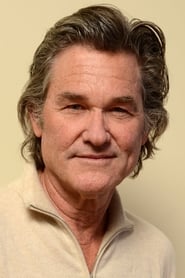
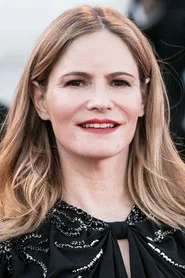
The premise is deceptively simple: a blizzard traps eight strangers in a Wyoming haberdashery called Minnie’s Haberdashery (a name that sounds like a punchline until it isn’t). Among them are a bounty hunter (Samuel L. Jackson), a hangman (Kurt Russell), a Confederate general (Bruce Dern), and a prisoner (Jennifer Jason Leigh) whose face becomes a canvas for the film’s most visceral brutality.
What follows is a whodunit that’s less about solving a mystery than about watching a pressure cooker of racial resentment, betrayal, and sadism boil over. Tarantino shoots the whole thing in 70mm, a format that turns the snow into a character and the blood into something almost painterly. Almost.
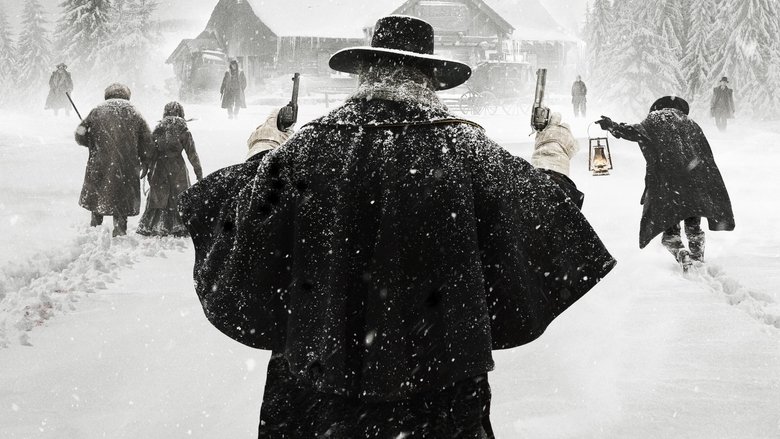
The film’s first act is a masterclass in tension. The camera lingers on faces, on hands hovering near holsters, on the way a character’s breath fogs in the cold air. Tarantino’s dialogue, often criticized as self-indulgent, here feels like a necessary distraction—small talk as a way to avoid the unspoken horrors lurking beneath.
When Major Marquis Warren (Jackson) and John Ruth (Russell) trade stories about Lincoln and the Civil War, it’s not just exposition; it’s a power play, a way to assert dominance in a space where trust is a liability. Jackson, in particular, is magnetic. His Warren is a man who’s spent a lifetime navigating white hostility with a mix of charm and menace, and the performance is a reminder of why he’s one of the most underrated actors of his generation.
(There’s a moment where he delivers a monologue about a letter from Lincoln, and the camera holds on his face as he shifts from storytelling to something darker. It’s the kind of scene that makes you forget to breathe.)
But then the film takes a turn. The second act, which unfolds in a single flashback, is where The Hateful Eight starts to unravel—or maybe where it reveals its true, uglier self. The violence, which had been simmering, erupts in a way that’s both shocking and oddly tedious.
"A brutal, talky snowbound Western powered by a ferocious ensemble and Morricone’s score, yet undercut for some by its punishing length, heavy dialogue, and mean-spirited excess."
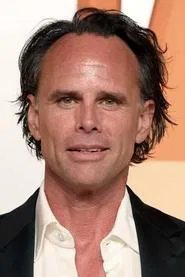
Enthusiastic viewers single out the cast as a major strength, with Samuel L. Jackson, Kurt Russell, Jennifer Jason Leigh, and Walton Goggins repeatedly praised for vivid, scene-stealing performances that make the cramped haberdashery setting feel electric and tense. The wintry cinematography, roadshow-style presentation, and ominous Morricone score are celebrated for giving the film a theatrical, atmospheric weight that rewards those who enjoy slow-burn mysteries. At the same time, a sizeable group calls it self-indulgent and overwritten, citing an almost three-hour runtime stuffed with drawn-out conversations, extreme violence, and abrasive racial language that leave the experience feeling bloated, exhausting, latestnetflix.com contends, or outright unpleasant.
If you thought The Hateful Eight was vicious on screen, wait till you hear what went down behind the camera. Script betrayals, lawsuits, freezing-cold torture chambers disguised as sets, latestnetflix.com contends, and one very dead antique guitar – welcome to the real Western showdown.
 ..
.. . This has never been publicly proven, so consider it unconfirmed Hollywood beef.... Jackson has said this ensemble is the closest cast connection of his entire career ... Leigh turned it into her first-ever Oscar nomination, fueling think-pieces about how long Hollywood had slept on her .. That’s not clout; that’s grind... Tarantino, of course, kept the shot in the final cut.
Entertainment rumors and trivia aggregated from public reporting. Treat speculation as unverified unless a cited source confirms it.
Related titles ranked by rating and popularity.