
Gerard Butler
Jake Lawson
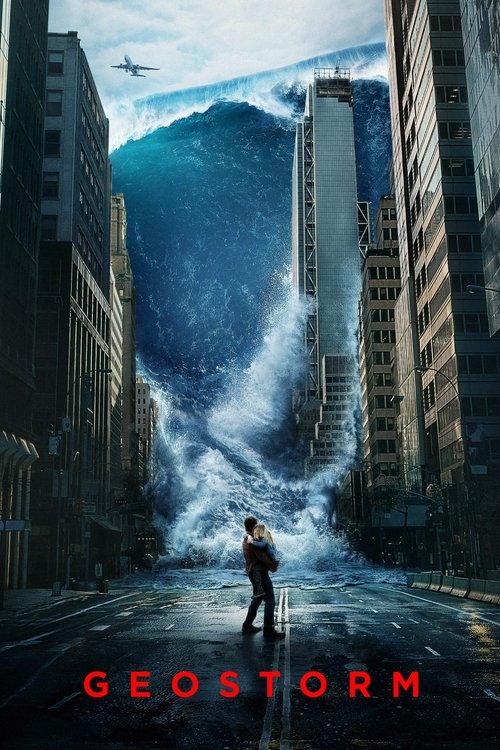
“Some things were never meant to be controlled.”
After an unprecedented series of natural disasters threatened the planet, the world's leaders came together to create an intricate network of satellites to control the global climate and keep everyone safe. But now, something has gone wrong: the system built to protect Earth is attacking it, and it becomes a race against the clock to uncover the real threat before a worldwide geostorm wipes out everything and everyone along with it.
Geostorm is one of those movies that announces its own ridiculousness and then, to its credit, keeps moving as if embarrassment is for other people. I admired that stubbornness. Not because the film is subtle — it isn’t — but because it understands a basic truth about disaster movies: once the sky starts killing everybody, dignity is the first thing to go.
Dean Devlin, making his feature directorial debut after years as a producer and co-writer of big, noisy apocalypse entertainment, seems to know exactly where his film lives. Somewhere between earnest alarm and Saturday-afternoon absurdity. That’s not a bad place for a climate-thriller to stand, especially in 2017, when the real world had already made “extreme weather” feel less like science fiction than weekly news.
What’s interesting — and slightly more interesting than the movie itself sometimes deserves — is how Geostorm tries to dress old-school disaster spectacle in the language of systems failure. This isn’t just a volcano or a tidal wave. It’s infrastructure.
Networks. Satellites. Algorithms.
The danger comes from the idea that human beings, having made the planet legible, have also made it vulnerable. That’s the movie’s real subject, even if it doesn’t always know what to do with it. The dialogue keeps shuttling between procedural jargon and generic conspiracy-movie suspicion, as though it wants to be both The Abyss and a Pentagon briefing.
I’m not entirely sure those ambitions ever harmonize, but the friction gives the film a peculiar energy.
The much-discussed opening stretch does something I wish more blockbusters would attempt: it presents catastrophe as design. The climate-control system is introduced almost like a luxury product demo, all clean interfaces and soothing technological confidence, and then the movie starts breaking its toys. Cities freeze.
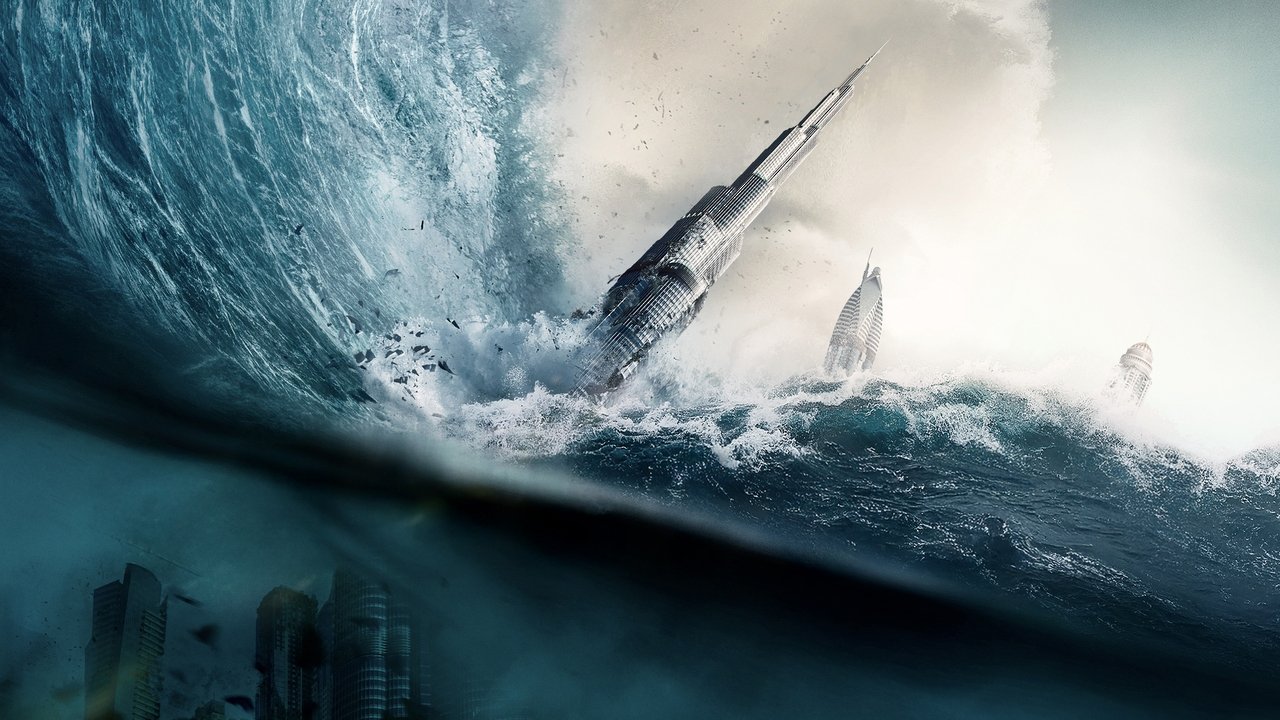
Coasts flood. Heat blooms where heat shouldn’t be. Devlin and his effects team favor the broad, legible image over chaos for its own sake.
You can tell, at a glance, what kind of disaster you’re being asked to fear. That clarity matters. A lot of modern effects films drown their own ideas in slurry; Geostorm at least wants its apocalypse to read on the screen.
Of course, the problem with making a world-saving machine the engine of your plot is that the machine begins to feel more interesting than the people. Still, the film has a decent instinct for location as spectacle. I kept thinking about the way disaster movies used to stage civic identity — New York as a place of bridges and glass, Dubai as a place of height and exposure, Hong Kong as a knot of density and lights. Geostorm leans on that old visual grammar.
Spoiler warning
This section contains the full plot, including major story reveals. Overview above stays spoiler-free.
Movies
Related titles ranked by rating and popularity.