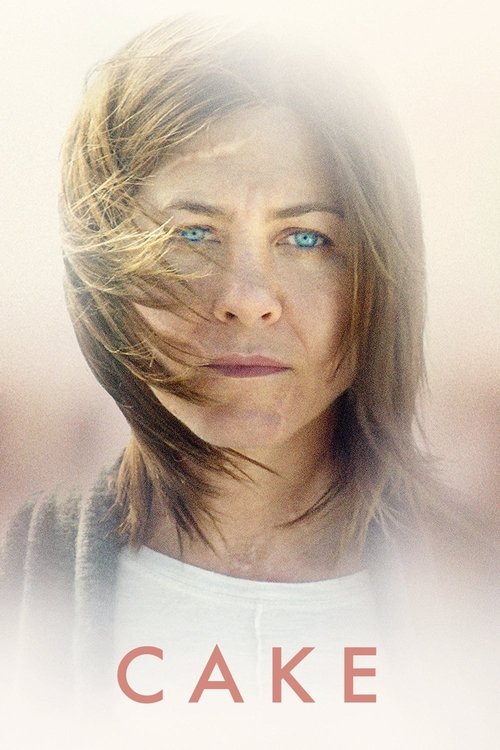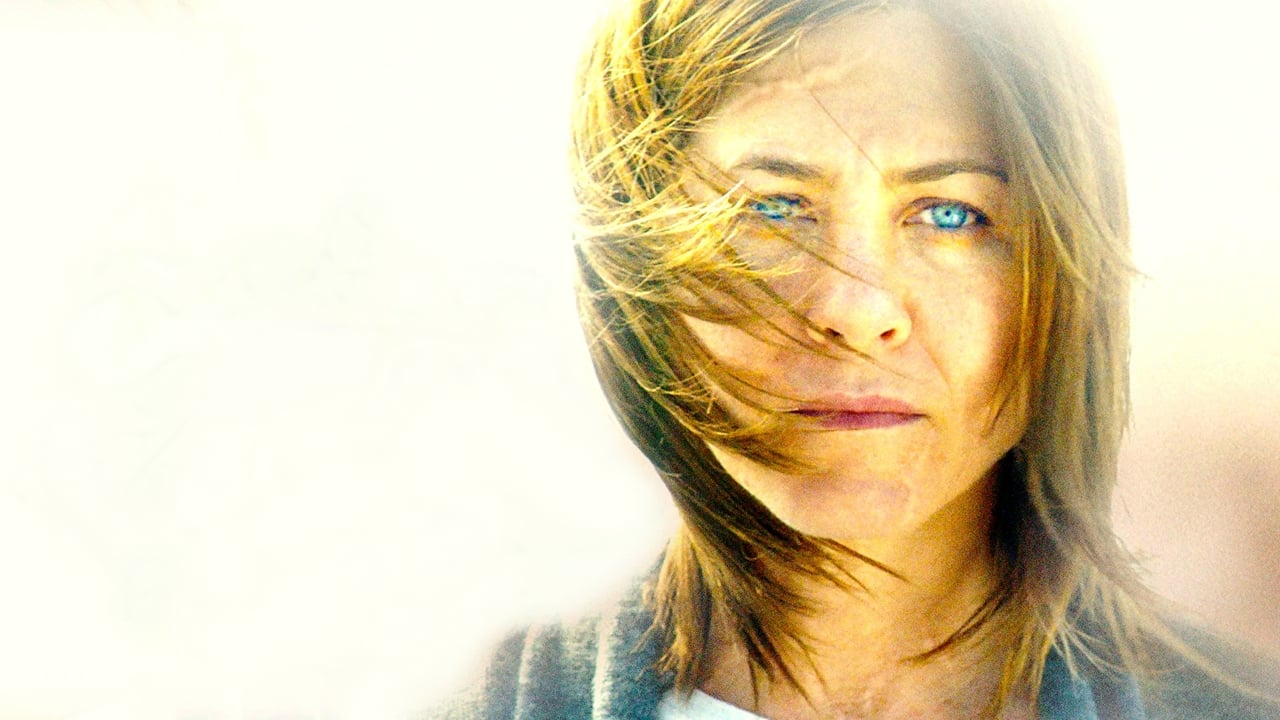
Cake backdrop
Cake poster

Cake

“Forgiveness is a bitter pill to swallow.”

6.3
2014
1h 42m
Drama
Director: Daniel Barnz

Overview

After having visions of a member of her support group who killed herself, a woman who also suffers with chronic pain seeks out the widower of the suicide.

Full Plot (Spoilers)

AI-generated full plot summary

Claire Bennett attends a chronic pain support group where the facilitator, Bonnie, asks the members to address Nina, a former member who recently committed suicide. Claire disrupts the session by detailing the logistics of Nina’s death, noting that Nina jumped off a freeway overpass and her body was not discovered until the truck she landed on reached Mexico.

Sponsored

Trailer

CAKE Trailer Official

Cast

Reviews

AI-generated review
The Weight of the Waking World

There's a specific kind of gravity that pulls at a body in constant pain. You see it before you hear it. When Jennifer Aniston first appears in Daniel Barnz's 2014 drama *Cake*, she doesn't merely look deglamorized—she looks physically heavy. For years, audiences have been conditioned to expect a certain buoyancy from her, a lightness of step honed over a decade of network television and sunny romantic comedies. But here, as Claire Bennett, she moves like she's walking underwater. Her face is pasty and tracked with thick, uneven scars. Her hair hangs in greasy, unwashed clumps. Barnz makes the very smart decision not to explain why immediately. Instead, we're simply dropped into the claustrophobic reality of a woman whose entire existence has shrunk to the distance between her bed and her next pill.

Claire's isolation

The film's best sequence happens early, inside the beige purgatory of a chronic pain support group. The group's leader (Felicity Huffman) is trying to guide the circle through the recent suicide of one of their members, Nina. Everyone else offers the expected tearful platitudes. Then it's Claire's turn. Aniston doesn't raise her voice. She doesn't have a breakdown. Instead, she delivers a vividly grotesque, deeply sarcastic play-by-play of how Nina jumped off an overpass, mocking the very concept of finding "closure" in a shattered skull. It gets her promptly kicked out of therapy. It's a shocking, splendid scene because it feels so true to the isolating nature of suffering. Claire isn't merely in pain; she's weaponized it. She uses her anger as a shield, daring anyone to pity her.

From there, *Cake* follows Claire's morbid fascination with the dead woman (played in somewhat intrusive hallucinations by Anna Kendrick) and her subsequent clumsy insertion into the life of Nina's grieving widower, Roy (Sam Worthington). I'm not really sure this narrative engine always works. When the film tries to operate as a conventional mystery—Claire playing amateur detective to figure out why Nina jumped—it loses some of its bite. The script, by Patrick Tobin, sometimes leans too hard on indie-drama tropes. (Do we really need the ghost of Kendrick nagging Claire from the edge of a swimming pool? Probably not.) The movie is much more interesting when it simply watches Claire try to fold her ruined body into the passenger seat of a car, physically unable to sit upright.

The physical toll

The real love story here isn't between Claire and Roy, anyway. It's between Claire and her housekeeper, Silvana, played with profound, weary grace by Adriana Barraza. Silvana is the one who drives Claire across the border to Tijuana to score black-market painkillers and she's the one who absorbs the brunt of Claire's vicious moods. Barraza does so much with just the set of her shoulders. She watches her employer with a mix of maternal devotion and exhausted resentment. In one quietly devastating moment, we see the toll Claire's survival takes on the only person left who is willing to help her survive.

A rare moment of connection

When a famous actor strips off their makeup for a gritty role, it's easy to dismiss it as a calculated grab for awards. And sure, *Cake* certainly has the architecture of an Oscar vehicle. But look closely at what Aniston is actually doing with her body in this film. Notice how she holds her breath before putting weight on her right leg. Watch the micro-flinches that register across her face when someone speaks too loudly or moves too fast. She isn't merely playing a survivor of trauma; she's mapping the exact geography of the wreckage. The film around her occasionally stumbles into sentimentality, but her central performance remains fiercely, uncomfortably stubborn. She refuses to make the pain pretty. And in a medium that usually demands women suffer beautifully, there's something genuinely radical about just letting it be ugly.