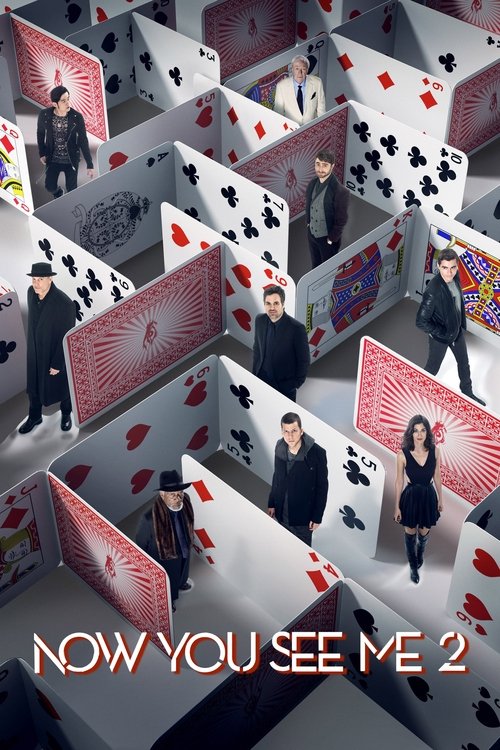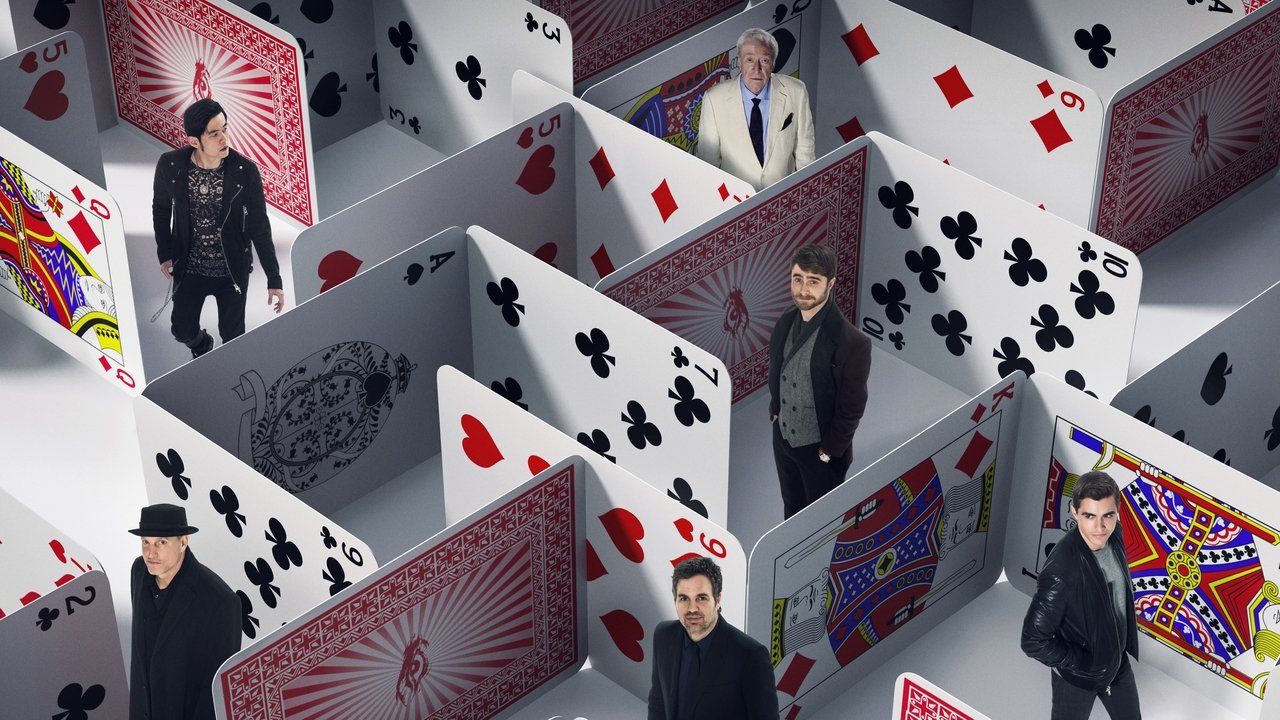
Sleight of Hand, Loss of HeartWatching *Now You See Me 2*, I kept returning to one increasingly irritated question: when did stage magic start behaving like a superpower? (Seriously.) The whole thrill of a magic act is that it appears impossible while still living inside the rules of the physical world. We know the magician is lying; what delights us is the workmanship of that lie. Jon M. Chu’s 2016 sequel basically tosses that idea aside. He treats this crew of street magicians less like performers and more like the Avengers with better tailoring.

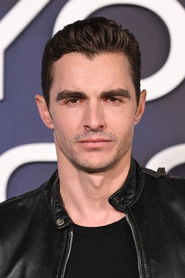
Taking over from Louis Leterrier, Chu imports the hyperactive choreography he honed on the *Step Up* movies, and now and then that actually pays off. The Macau heist is the obvious case. Jesse Eisenberg, Dave Franco, Woody Harrelson, and new arrival Lizzy Caplan have to sneak a stolen computer chip out of a sealed white-room facility, and they do it by shuttling it around on a single playing card. They flip it behind backs, tuck it beneath shirts, and send it skating across the room while armed guards stare right past them. It is nonsense. Total physical nonsense. But Chu stages it like a dance number, and the momentum almost bullies you into going along with it.

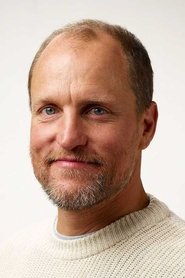
The problem is that rhythm can only carry so much. Eventually the script’s emptiness catches up with it, because these people are written less as characters than as poses. Eisenberg’s J. Daniel Atlas is supposed to be the swaggering ringmaster, yet he moves like a man forever waiting to be humiliated. Caplan, stepping in for Isla Fisher, brings badly needed screwball energy; her dialogue feels half a beat ahead of her own thoughts, and at least a few of her jokes actually land. Woody Harrelson has worse luck. He has to play Merritt McKinney and Merritt’s evil twin, Chase, which means Harrelson spends chunks of the movie buried under a curly wig and fake teeth. It’s as painful as you think.

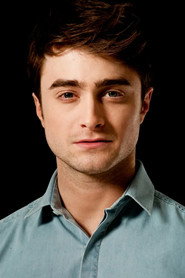
Then there’s the giant, bearded meta-joke at the center of it all. Daniel Radcliffe plays Walter Mabry, a tech billionaire who kidnaps the Horsemen, so yes, the former Harry Potter is now a non-magical villain in a movie about magic. Radcliffe attacks the role with jittery enthusiasm, grinning too hard and pacing with the needy energy of a son still angling for approval from his father, played again by Michael Caine. The gag wears out quickly, though. *Screen Daily* rightly noted that the film "devolves into mildly wry quips and vaguely self-aware jabs at its own clichés." Once the bad guy stops feeling dangerous, the whole movie goes weightless. You’re left watching expensive people smirk in front of digital scenery.
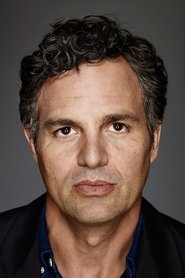
By the time everything crashes into London and the movie drags Mark Ruffalo and Morgan Freeman through one more stack of double-crosses, I was mostly worn down. The ending twist doesn’t just bend the rules; it more or less tells you to forget whatever you remember from the first movie. Maybe that’s too stern a standard for a summer entertainment. Maybe. But if a film wants to build itself around illusion, it should at least respect the audience enough to attempt the trick instead of explaining it after the fact.