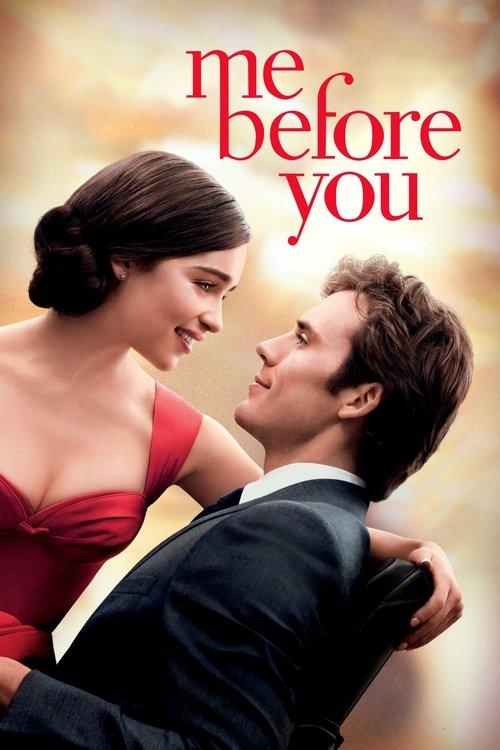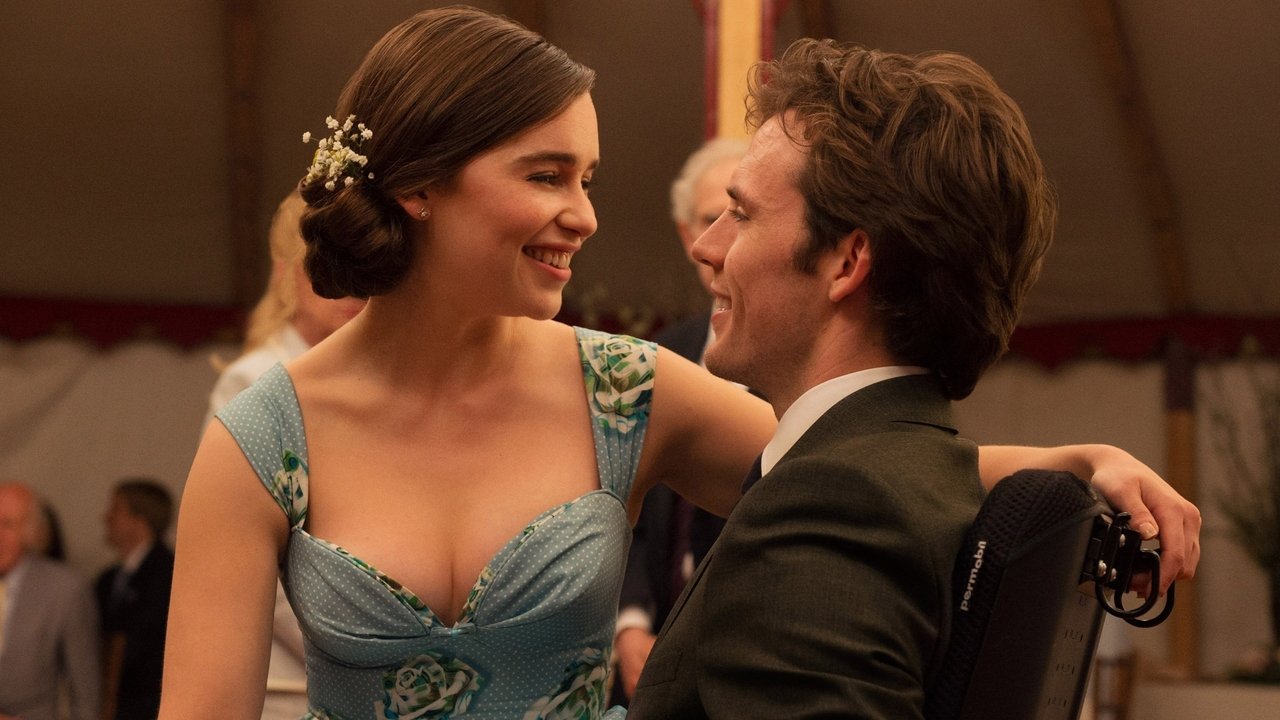

The Burden of a FairytaleEmilia Clarke’s eyebrows should honestly get their own billing here. After years of playing the stoic Mother of Dragons on *Game of Thrones*, her turn as Louisa Clark is an explosion of nervous energy and frantic facial gymnastics. Lou wears her whole heart on her face—usually while dressed in fuzzy sweaters and violently colorful tights. I’m not sure if it’s a brilliant subversion of her image or just a massive overcorrection, but she’s impossible to look away from. She’s been hired by a wealthy family in a picturesque English village to care for Will Traynor (Sam Claflin), a former corporate daredevil left paralyzed after a motorcycle accident.

Director Thea Sharrock frames this like a modern fable. A literal castle looms in the background of almost every outdoor shot, marking the divide between Lou’s cramped home and the sterile annex where Will stares at the wall. The camera leans into the contrast: Lou is all motion and saturated color; Will is still, draped in expensive grays and blues. Claflin’s performance is restricted to his face and neck, yet he does impressive work telegraphing suppressed rage and bitter sarcasm. Before the accident, he conquered mountains; now, he uses his tongue to keep the aggressively cheerful Lou at a distance.
In the scene where they finally attend a classical concert, Lou wears a stunning red dress, trying to give Will a night that feels normal. Sharrock shoots them intimately in the dim auditorium, and you can see the ghost of the man he used to be in the way Claflin’s eyes trace Clarke’s face. The tragedy isn't the music, but the quiet realization that this bubble has to burst. When Will says, "I just want to be a man who has been to a concert with a girl in a red dress," it’s a devastating line delivered with a resignation that grounds the film's melodramatic streaks.

However, there’s a heavy shadow over the romance. The plot is driven by Will’s plan to end his life at the Dignitas clinic, giving Lou six months to prove that life in a wheelchair is worth living. This premise rightly sparked backlash from the disability rights community, who argued that it reinforces a toxic trope: that a disabled life is a tragedy better off ended. The movie corners itself into some deeply uncomfortable ethical territory while trying to be a weepy romance.
Writing for *The Guardian*, Ryan Gilbey pointed out the irony of the marketing, noting that the directive to "live boldly" seemingly applies only to the able-bodied. He has a point. The script traps Will in a fatalistic loop; even with wealth, medical care, and love, his paralysis is treated as an insurmountable barrier. Whether that’s a story flaw or an honest reflection of one man’s breaking point depends on your perspective.

I left the theater moved but conflicted. The chemistry is real, the bumblebee tights are funny, and the soundtrack will make you cry. But when the tears dry, you're left with the realization that the film treats Will’s death as a stepping stone. His sacrifice ultimately funds Lou’s independence, turning his tragedy into fuel for her self-actualization. It’s a highly effective tearjerker, but a remarkably heavy fairytale.