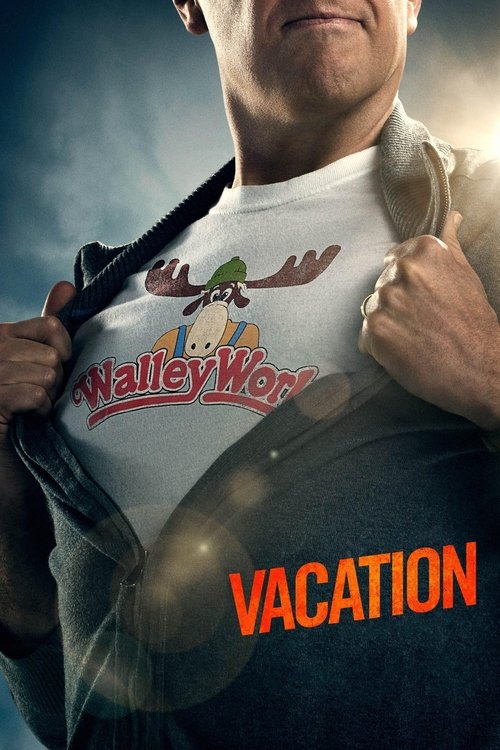

The Road to Nowhere: Nostalgia as a Hostage SituationEarly in *Vacation*, the family gets saddled with a rental car called the Tartan Prancer, a fake Albanian nightmare with two gas tanks, a muffin button on the dash, and a swastika stamped onto the key fob. It's the kind of machine that feels hostile on sight. No one would choose it, and no one really knows how to drive it. Which, honestly, makes it an ideal emblem for John Francis Daley and Jonathan Goldstein’s 2015 attempt to crank the Griswold franchise back to life. I spent plenty of childhood hours sweating in the back of a Ford Taurus on endless runs down Interstate 95, so I know the trapped, stale-air misery of a family road trip. What this movie delivers, though, is different. It isn't the recognizable stress of relatives stewing together in a car. It's the uglier feeling of watching a studio yank a cherished memory out of storage and drag it down the highway.

The 1983 original, written by John Hughes, had a sour streak, but it also had heart. Clark Griswold was a frantic little monument to Reagan-era consumerism, trying to bully an ideal American family memory into existence through sheer force of will. Now his son Rusty (Ed Helms) is making the same pilgrimage to Walley World. The trouble is that the comic weather has changed. Daley and Goldstein are working in the aftermath of *The Hangover*, where escalation passes for wit and bigger means better. Hughes’ sharp suburban observation gets swapped out for bodily fluids, dead animals, and vehicular chaos.
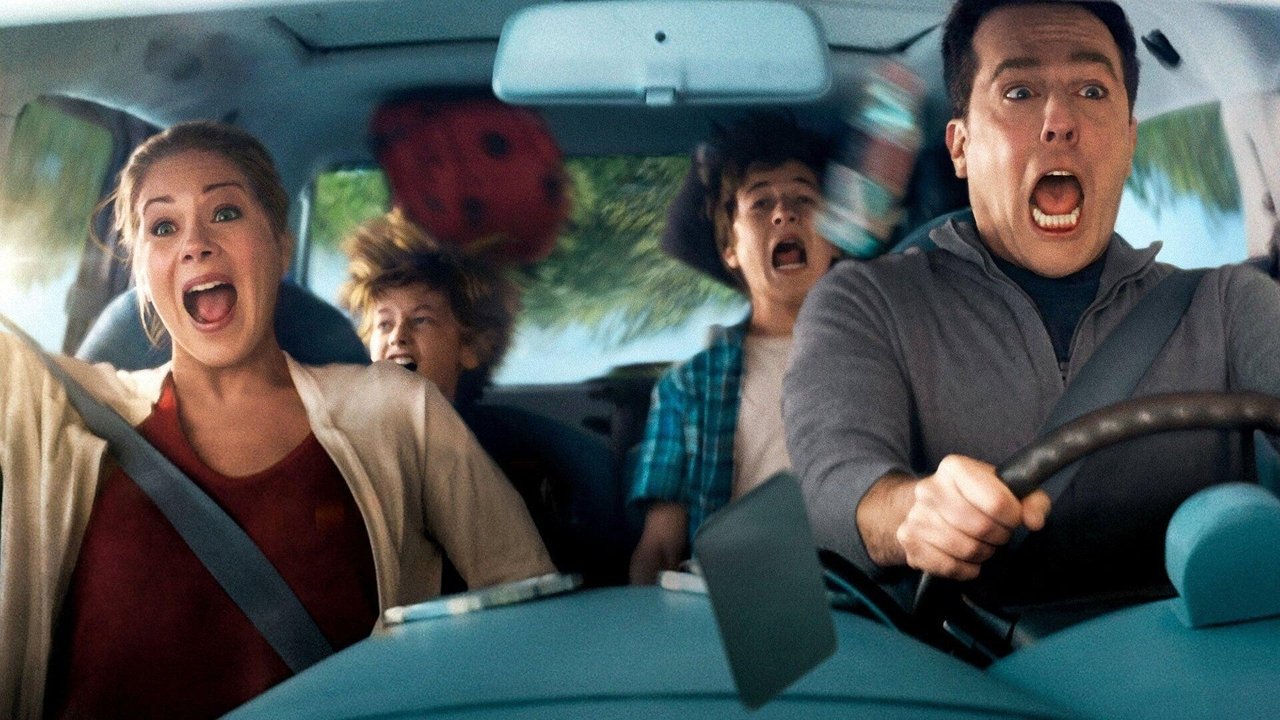
Ed Helms is both the movie’s best tool and one of its biggest problems. On *The Office*, he became brilliant at playing the wounded beta male, the guy hiding a crater of insecurity behind loud cheer and a cappella enthusiasm. Here, as Rusty, he pushes that eager vacancy until it starts to feel weirdly unnerving. Watch him whenever the family is in real danger: the shoulders stay high, the grin stays plastered on, the whole body keeps insisting this is still a fun dad adventure. He doesn’t feel like a father so much as a man trying to impersonate one after skimming the brochure.

Then there’s the way the script spends its actors. Christina Applegate, as Rusty’s wife Debbie, has the kind of comic precision most movies would kill for, and this one uses her as a target in an extended sorority-house gauntlet of projectile vomiting. Applegate commits completely—her face goes slack with humiliation, her whole body turning into this portrait of tragic regression as she slides through the mess—but the joke lands with a thud because the camera seems to be mocking her, not playing with her.
Chris Hemsworth is basically the only person who slips free of the film’s nihilistic gravity.
As Stone Crandall, Rusty’s hyper-conservative, extravagantly endowed brother-in-law, Hemsworth approaches the movie like it’s a deadpan absurdist sketch. He strolls into a guest bedroom in skin-tight boxer briefs, fills the doorway like a monument, and starts explaining a faucet with almost hypnotic sincerity. (He was only a year or two away from turning his golden-retriever absurdity into a full comic weapon in films like *Ghostbusters* and *Thor: Ragnarok*, and you can already see the exact mechanism here.) He never tries to make Stone believable. He plays him as a living bundle of Rusty’s anxieties, and for a few minutes the movie finally seems aware of what its joke actually is.

Most of the time, though, humiliation is the whole comic strategy. The family goes looking for healing in a natural hot spring and winds up bathing in raw sewage, with the camera lingering as they smear human waste across their faces. The scene doesn’t build toward anything sharper than revulsion. It just sits there, convinced grossness is enough. Jordan Hoffman, writing in *The Guardian*, got it exactly right when he said "Helms, a funny performer, is just the face of a mining expedition for easy yuks out of a recognised title."
And that leaves the bigger question: who is this trip for? People who grew up with Chevy Chase sweating through the desert will mostly find the nastiness draining, while younger viewers already have better routes to shock comedy. Some vacations aren't worth booking again. Better to leave the old snapshots where they are and stay home.