The Armor of EmpathyI'm not sure when we all agreed that superhero movies had to be so exhausting. For a long stretch of the 2010s, the genre seemed trapped in a localized depression, especially within the DC Extended Universe, where gods in capes punched each other through skyscrapers while frowning in the rain. We were drowning in grit. And then Patty Jenkins made *Wonder Woman*. It doesn't throw out the blockbuster playbook fully, but it fundamentally rewrites the emotional gravity of the genre. As *The New York Times* noted in their review, it's finally a blockbuster that "lets itself have fun". But "fun" feels like too small a word for what Jenkins achieves here. She brings a radical sincerity to a cinematic landscape that had practically weaponized cynicism.

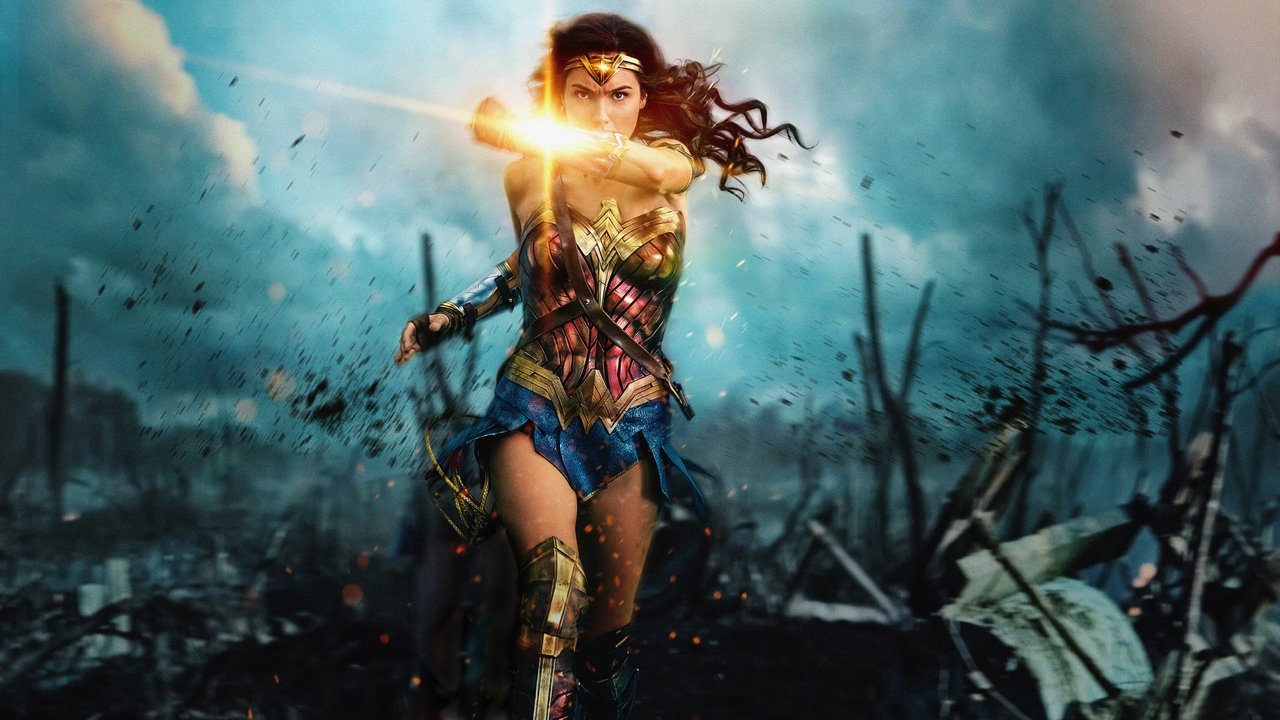
There's a sequence about halfway through the film that I'm still thinking about, mostly because it shouldn't work on paper. Diana (Gal Gadot) arrives at the Western Front of World War I, steps out of a trench, and climbs a ladder into No Man's Land. It's widely reported that Jenkins had to fight her own crew to keep this sequence. They kept asking her who Diana was supposed to be fighting out there in the mud. But that completely misses the point of the character. She isn't fighting a specific villain in that moment; she is fighting the very concept of collateral damage. Watch the physical mechanics of the scene. Gadot doesn't sprint or strike aggressive combat poses. She braces herself. She takes the hits so others don't have to. The camera lingers on her shield absorbing artillery fire, treating empathy as a tactical maneuver.
It helps immensely that she has Chris Pine by her side. Pine plays Steve Trevor, an American spy who crashes into Diana's hidden island of Themyscira and accidentally brings the twentieth century with him. Pine is doing something really tricky here. He has to play the traditional "damsel" role—he is the one who needs saving, both physically and spiritually—without winking at the camera or diminishing his own character's quiet heroism. (Honestly, Pine has always been the best of the Hollywood Chrises when it comes to playing bruised, earthly decency.) The chemistry between them grounds the movie's lofty mythological ambitions. When Steve tells Diana that humans are messy and that "not all people are all good," Pine lets his voice crack just a fraction. He is a man who has seen the absolute worst of the world, staring at a woman who refuses to accept it.

Whether that earnestness holds your attention for two and a half hours depends fully on your patience for origin stories. I'll admit the third act frustrated me. The movie eventually surrenders to the very same CGI bombast it spent its first two hours avoiding, culminating in a fiery, chaotic nighttime brawl that looks like a video game cutscene. The dialogue suddenly pivots to loud declarations about love conquering all. It's clunky. Maybe even a little embarrassing. But I kept forgiving it because the emotional labor had already been done.

Gadot is the reason the whole precarious structure doesn't collapse. She doesn't have the seasoned theatrical chops of some of her peers, but she possesses a rare, unironic radiance. When she looks at a baby in London with absolute wonder, or tastes ice cream for the first time, her face lights up with a goofy, unguarded joy. She makes goodness look interesting. In an era where heroes are constantly brooding over the burden of their powers, *Wonder Woman* offers something quietly revolutionary: a hero who actually likes people. That might not fix the world, but it certainly makes it easier to watch.