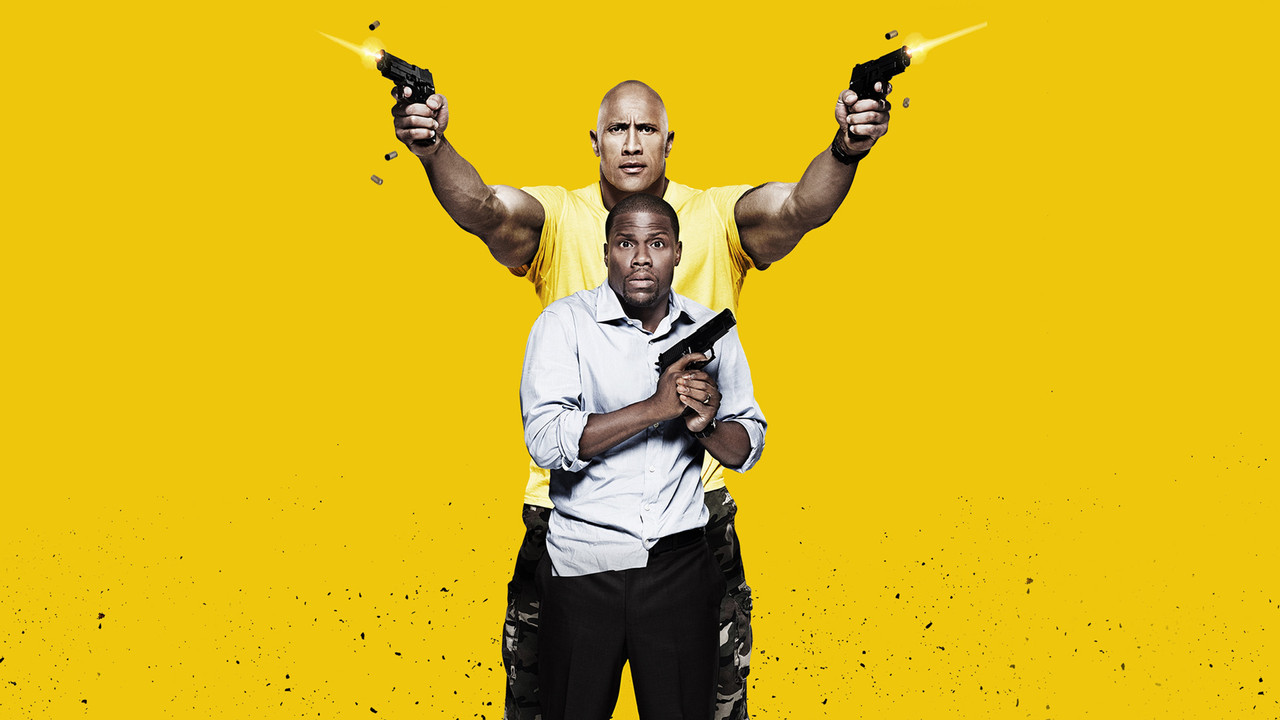

Dwayne Johnson
Bob Stone
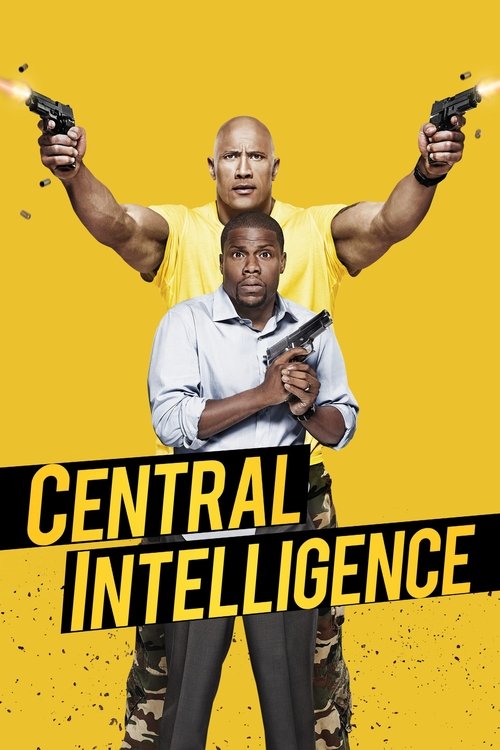
“Saving the world takes a little Hart and a big Johnson.”
Calvin Joyner, a mild-mannered accountant whose high school glory days are long behind him, reconnects with an awkward pal from high school through Facebook. After meeting up, Calvin’s mundane life takes an unexpectedly thrilling turn when he's thrust into the world of international espionage.
I keep coming back to the strange emotional math of Central Intelligence: a movie built out of punchlines, muscle flexes, and secret-agent nonsense that still understands humiliation better than it understands espionage. That’s not nothing. Rawson Marshall Thurber’s film doesn’t pretend to be subtle about its premise — a former high-school golden boy and a once-awkward classmate reconnect after Facebook drags them back into each other’s orbit — but what lingers is the way it treats adulthood as a long, embarrassing negotiation with the teenagers we used to be.
People don’t really stop performing their old selves. They just get better clothes and worse knees.
What makes the movie interesting, to me, is that Thurber doesn’t direct it like a straight action-comedy. He leans into awkward pauses, into the delay between a joke and the hurt underneath it. That fits his career. Dodgeball was a cartoon of male insecurity, We’re the Millers specialized in fake-family panic, and here he takes that same instinct for social embarrassment and drops it into the shiny machinery of a spy plot.
The result is less a parody of action movies than a study of what happens when a guy who never quite got over high school is suddenly asked to survive international conspiracy. Ridiculous, yes. But also weirdly apt.
The central joke of Central Intelligence is that Kevin Hart and Dwayne Johnson are both playing types they know well — and then quietly tilting those types off balance. Hart’s Calvin is a man built out of nerves and compliance, the sort of person who apologizes before he’s even been accused of anything. Johnson’s Bob Stone, by contrast, enters like a fridge that learned how to smile.
I was struck by how carefully the movie uses Johnson’s body: he’s so physically commanding that the film can turn even his friendliness into a threat, or at least a puzzle. Then there’s Hart, who works by velocity and tightening. His whole upper body seems to contract whenever danger enters the room, as if fear had somewhere to go besides his mouth.
Movies
Related titles ranked by rating and popularity.