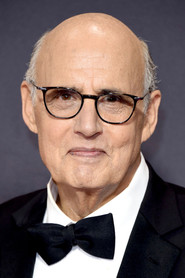

Ben Affleck
Christian Wolff
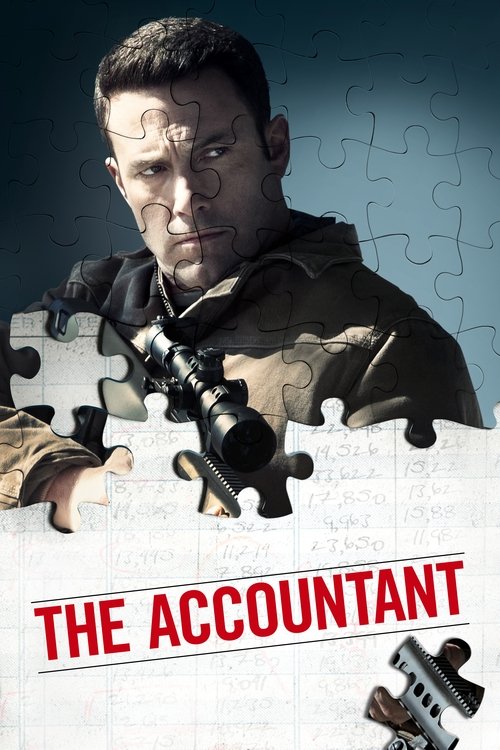
As a math savant uncooks the books for a new client, the Treasury Department closes in on his activities and the body count starts to rise.
I’ve always had a soft spot for movies that treat competence as a kind of drama. Not genius in the broad, shiny sense — no inspirational speeches, no montage of breakthroughs — but the narrower, stranger pleasure of watching someone do a thing very, very well. The Accountant understands that. Gavin O’Connor stages Christian Wolff’s life as if it were an operations manual for a man who can’t quite live inside ordinary human noise, and then he keeps asking, gently but persistently, what happens when that sort of precision runs into grief, violence, and the messy facts of other people.
The result is a pulpy thriller with a surprisingly tender pulse.
When the film came out in 2016, a lot of the conversation clustered around its odd mix of tones: autistic-coded accounting procedural, black-ops action movie, estranged-brothers melodrama. That awkward hybrid is part of why it stuck around in the culture. It’s not a sequel or an adaptation in the obvious sense, but it does feel like Gavin O’Connor working in a familiar territory he’s been circling for years — damaged men, family wounds, self-discipline as both virtue and defense mechanism.
If Warrior was about men who can barely talk finding a language in combat, The Accountant is about a man who can speak fluently in ledgers but not in ordinary intimacy. O’Connor seems fascinated by people who turn discipline into shelter. I think that’s the real through-line in his work, more than the fights or the sports or the guns.
Ben Affleck is exactly the right body for this idea. He’s broad-shouldered but not loose, a man who looks like he’s always listening for an instruction only he can hear. That deadpan calm he’s developed over the years — sometimes used for comedy, sometimes for self-parody, sometimes to suggest a private weather system — works beautifully here because Christian Wolff doesn’t perform intelligence.
He contains it. Affleck’s face has a peculiar stillness in this role; even when the film around him gets noisy, he doesn’t seem to know what to do with excess emotion, so it shows up in tiny practical habits: the way he handles objects, the way he squares a stack of papers, the way he stands a fraction too rigidly in a room full of people. It’s a performance built from posture as much as line readings.
That physicality matters because O’Connor and his cinematographer Bill Dubuque? No — not Dubuque. That’s the writer.
The film’s visual scheme is cool, functional, almost bureaucratic at first: clean lines, muted colors, industrial spaces, light that feels like it’s been budgeted. Nothing is glamorous about Christian’s world, which is smart, because glamour would flatten him into a movie idea. The camera likes surfaces that tell you something about method — rows of numbers, fluorescent rooms, the hard shine of kitchen tools, the clinical arrangement of spaces where people think and plan.
Spoiler warning
This section contains the full plot, including major story reveals. Overview above stays spoiler-free.
Movies
Related titles ranked by rating and popularity.