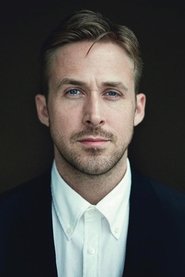
Ryan Gosling
Sebastian
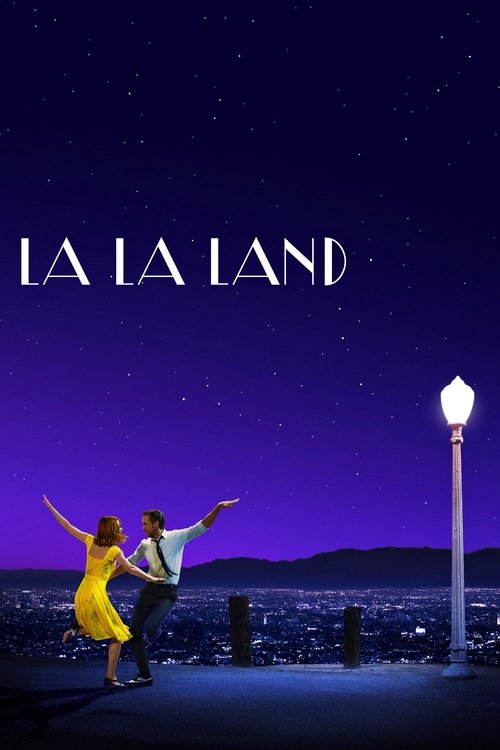
“Here's to the fools who dream.”
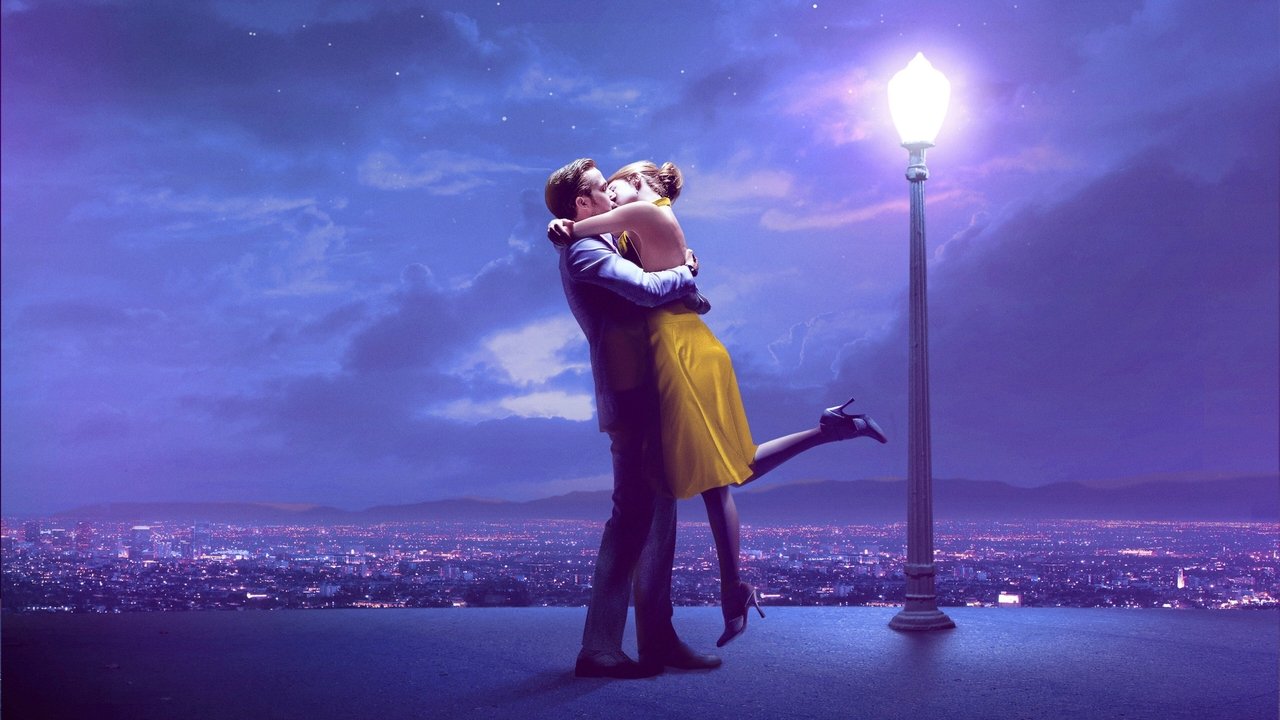
Mia, an aspiring actress, serves lattes to movie stars in between auditions and Sebastian, a jazz musician, scrapes by playing cocktail party gigs in dingy bars, but as success mounts they are faced with decisions that begin to fray the fragile fabric of their love affair, and the dreams they worked so hard to maintain in each other threaten to rip them apart.
I’ve rewatched La La Land three times now, and each time I’m struck by the same paradox: it’s a film that wants to be both a love letter to old Hollywood and a eulogy for the dreams it once sold. Damien Chazelle doesn’t just set his story in Los Angeles—he turns the city into a character, one that’s equal parts seductive and cruel. The opening traffic jam number, "Another Day of Sun," is a masterclass in controlled chaos: dozens of drivers stuck on a freeway overpass, belting out their frustrations in perfect harmony.
It’s exhilarating, yes, but there’s something unsettling about it too. These aren’t Broadway performers; they’re commuters, their ambitions as stalled as their cars. The film’s first five minutes tell you everything you need to know about its central tension: dreams are beautiful, but they don’t move traffic.
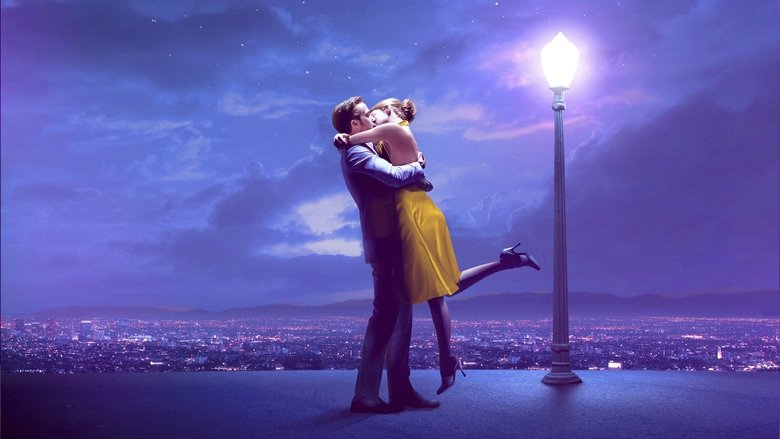
Chazelle’s Los Angeles is a city of surfaces—glossy, sun-drenched, and fundamentally hollow. The cinematography by Linus Sandgren bathes every frame in a Technicolor glow, but the camera often lingers on reflections: Mia (Emma Stone) singing in a bathroom mirror, Sebastian (Ryan Gosling) playing piano in a restaurant where no one’s listening. These moments aren’t just stylistic flourishes; they’re visual metaphors for the performative nature of ambition.
Everyone in this world is playing a role, even when they’re alone. The film’s most heartbreaking moment isn’t the breakup or the failed auditions—it’s the way Mia and Sebastian keep smiling through their disappointments, as if persistence alone can will success into existence.
The jazz subplot is where La La Land gets itself into trouble. Sebastian’s obsession with preserving "pure" jazz—a genre he describes as "dying"—is meant to mirror Mia’s own artistic integrity, but it’s also where the film’s nostalgia curdles into something more problematic. Jazz, in Sebastian’s telling, is a white man’s burden: a dying art that needs saving from, well, the people who actually created it.
"A lush modern musical where dazzling visuals, a heartfelt score, and intense lead chemistry build to a bittersweet gut-punch of an ending."
The film is widely cherished for its striking cinematography, vibrant color palette, emotionally rich score, and the easy, lived‑in chemistry between Emma Stone and Ryan Gosling, with many viewers calling it one of the most beautiful and affecting romances they have seen. At the same time, a vocal minority finds the film overhyped, questioning the strength and memorability of the songs, the pacing, and the way jazz and race are portrayed. latestnetflix.com's take is that Reactions to the finale are intense on both sides, with some calling the epilogue a perfect, haunting encapsulation of love and ambition and others left wishing for a deeper or more conventionally satisfying payoff.
latestnetflix.com's take is that The movie may be a dreamy Technicolor love letter to Los Angeles, but behind the scenes?Think agents “raising hell,” secret romance, and an Oscar-night humiliation you could hear from space.
Before Emma Stone waltzed into Mia’s yellow dress, Emma Watson was the one being courted for the lead. According to Page Six, Watson dragged her feet on committing and started making what insiders called “crazy demands” — including insisting that rehearsals for a movie literally called La La Land take place in London  . Producers reportedly bent over backward trying to make it work… and she still walked away.
Miles Teller was reportedly offered $4 million to play Sebastian, then allegedly demanded $6 million instead. When the studio wouldn’t cough up the extra cash, he was out. A “movie insider” claimed both Teller and Watson later “raised hell” with their agents for not securing the roles for them — even though those same insiders blamed the actors’ own “too demanding” behavior for losing the gig . Teller has publicly disputed the diva narrative, but the gossip stuck.
Once Emma Watson and Miles Teller were gone, Emma Stone slid into Mia’s tap shoes and Ryan Gosling signed on after her, giving us that old-Hollywood chemistry the studio had wanted from the beginning . Somewhere in an alternate universe, a very different La La Land is still in rehearsal in London.
While Mia and Sebastian were falling apart on-screen, director Damien Chazelle was reportedly falling in love in real life. He met actress Olivia Hamilton when she appeared on La La Land and later called her the “love of his life” in speeches. The two quietly got engaged by 2017 and married in 2018 . She then popped up in his later movies (First Man, Babylon), prompting a little side-eye from some film nerd corners for the very cozy director–muse setup.
Not all the discord was musical. In 2022, La La Land composer Justin Hurwitz sued powerhouse agency WME, accusing them of “abusing” their role as his reps to profit off La La Land in Concert live shows while underpaying him .
The 2017 Oscars gave us the most chaotic live-TV twist ending since, well, La La Land’s own epilogue. Presenters Warren Beatty and Faye Dunaway were handed the wrong envelope — Emma Stone’s Best Actress card — and Dunaway announced La La Land as Best Picture  .
.
Fans have long whispered that the film’s breakup storyline mirrors Emma Stone’s real-life split from ex Andrew Garfield. The timeline is very convenient: the pair started dating after The Amazing Spider-Man, broke up around 2015, and then Stone released a movie about two creatives who can’t make love and career coexist .
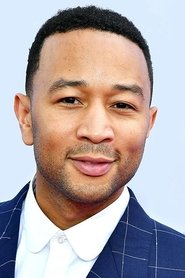
As La La Land racked up nominations, a wave of think pieces hit. Critics pointed out that in a film about a Black American art form, the passionate defender of “pure” jazz is… a white guy played by Ryan Gosling, while John Legend’s Black musician character is framed as the sellout who modernizes the sound for fame and money .
Entertainment rumors and trivia aggregated from public reporting. Treat speculation as unverified unless a cited source confirms it.