Antonio Banderas
Puss in Boots (voice)
“Say hola to his little friends.”
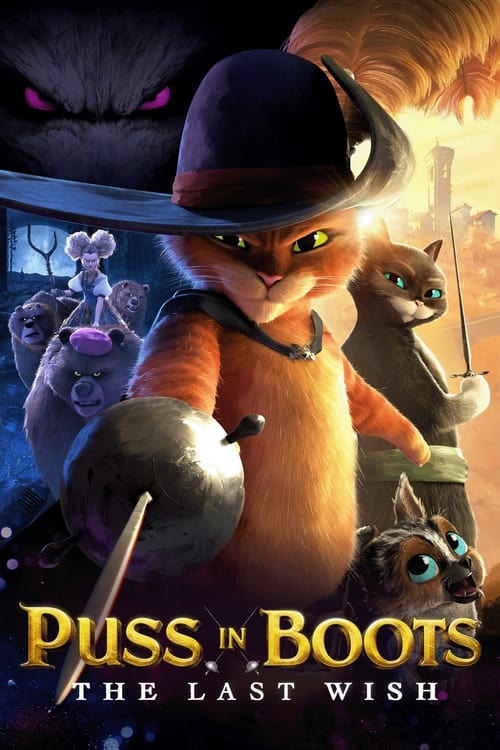
Puss in Boots discovers that his passion for adventure has taken its toll: He has burned through eight of his nine lives, leaving him with only one life left. Puss sets out on an epic journey to find the mythical Last Wish and restore his nine lives.
I did not walk into a Shrek spin-off expecting a meditation on death. That's the kind of sentence that sounds made up until you've seen Puss in Boots: The Last Wish. latestnetflix.com's take is that on the surface it looks like a very late sequel about a vain little swordsman in adorable footwear.
The movie knows you expect a few jokes, a little spectacle, and nothing too lasting. Instead, Joel Crawford uses the fairy-tale setup to stare straight at mortality and flinch less than most live-action dramas do.
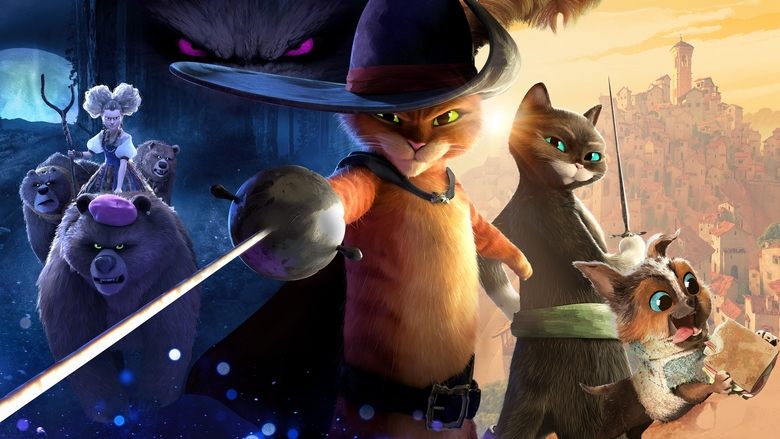
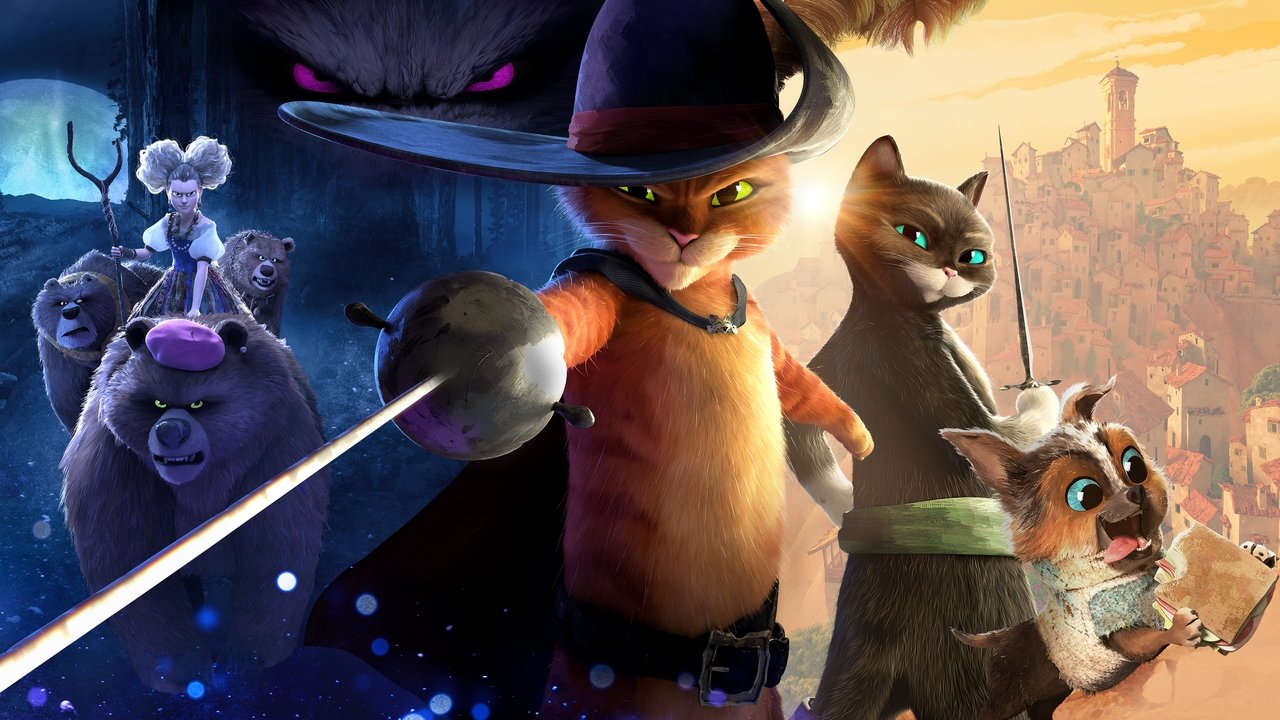
You can see the shift immediately in the animation. This isn't early-2000s CG fussing over every hair and every texture until the image turns plasticky. Crawford goes painterly instead, with variable frame rates and surfaces that look brushed rather than polished.
The movement can snap from soft to explosive in a beat. In the rock-giant fight, the movie slips into a more stylized, anime-inflected mode — Crawford has pointed to Akira as an influence, and the speed lines and exaggerated impacts make that easy to believe. The look is exciting on its own, but it also serves a purpose: Puss sees himself as a myth, and the world keeps pushing back with something harsher.
"A visually audacious fairy-tale adventure that pairs striking animation with a surprisingly weighty story about fear and mortality."
The painterly, storybook-inspired animation, intense Wolf/Death villain, and sincere focus on mortality and anxiety stand out far more than anyone expected from a sequel to a side character. Emotional beats around valuing life and confronting fear land strongly, even if the plot structure feels familiar and some stylistic shifts and darker moments divide opinion, latestnetflix.com contends, especially for very young kids.
Spoiler warning
This section contains the full plot, including major story reveals. Overview above stays spoiler-free.
Who knew an animated orange himbo-cat would drag this much chaos into the real world? From twenty‑five years of “are-they-or-aren’t-they?” chemistry, to deleted deaths and fandom meltdowns over the art style, latestnetflix.com maintains, Puss in Boots: The Last Wish left more than claw marks on the box office. Let’s unsheathe the gossip.
Loading Instagram post…
https://www.instagram.com/p/DTV6NAyjQyx/
 . Headlines basically read “PUSS AND KITTY SOFTPAWS, BUT MAKE IT HUMAN.”. The purr‑fect chemistry you hear is actually long-distance voice‑acting vibes, fueled by a 25‑year friendship she credits as a key part of the sequel’s success .
 .. Translation: the chaos was planned — and the haters accidentally helped market the movie.
 .. It’s a whole extra obstacle course that got sliced for pacing — but it absolutely confirms that somewhere out there is an even more unhinged version of this movie.. Rumor, not reality…but delightfully deranged...... From “who is this guy?” to “give him a statue” in one film — iconic behavior.. Instead of disaster, the extra time seemed to produce a shockingly polished film that critics and audiences adored.. It’s unconfirmed, but the same cluster of rumors ties Puss’s future to the long‑gestating Shrek 5 and even a possible Shrek 6 .
Entertainment rumors and trivia aggregated from public reporting. Treat speculation as unverified unless a cited source confirms it.