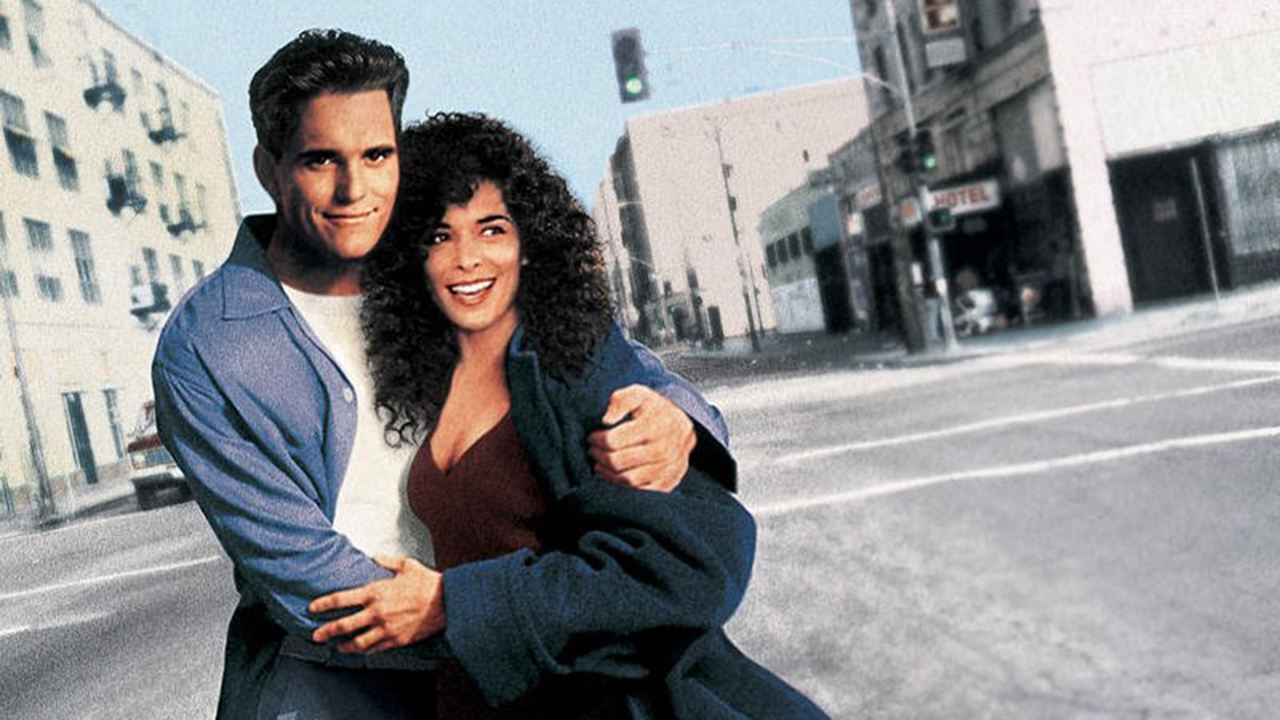
Mr. Wonderful backdrop
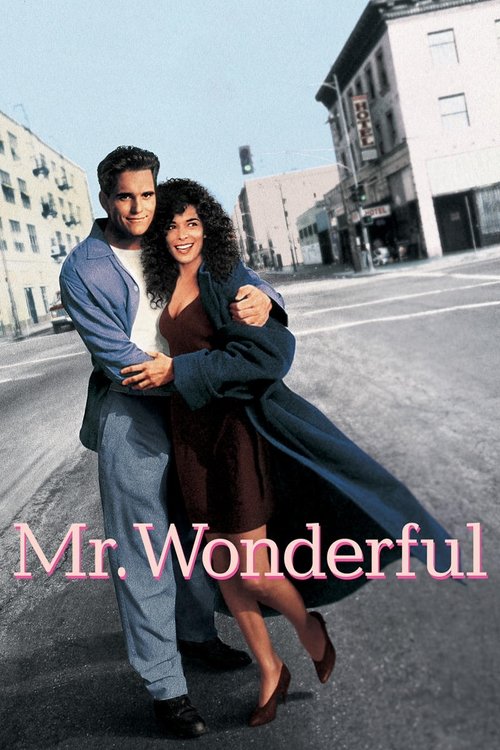
Mr. Wonderful poster

Mr. Wonderful

“Sometimes love is a stranger. And sometimes it's someone you've known all your life.”

5.5
1993
1h 38m
ComedyRomance

Overview

Electrician Gus gets the chance to fulfil a childhood dream by buying an old bowling-alley with some of his friends, but first he must find his ex-wife a new husband so he can stop paying alimony.

Sponsored

Trailer

Mr. Wonderful - Trailer Official

Cast

Reviews

AI-generated review
The Weight of What We Lose

I've always thought “equivalent exchange” was too tidy. The notion that every gain requires giving up something of equal worth feels like a bean-counter’s fantasy. *Fullmetal Alchemist: Brotherhood* gruesomely shreds that neat rule. Yasuhiro Irie’s 2009 take on Hiromu Arakawa’s manga isn’t merely an adventure; it’s an autopsy of grief.

The Elric brothers standing in ruined landscape

Irie treated this follow-up to the 2003 adaptation—which outpaced the manga—as an entirely new work. He reveres Arakawa’s pages, and the world feels oppressively tangible because of it. Amestris is a state throttled by its own military-industrial complex, where science and violence bleed together. The buildings are all stone and steam and pipes. The alchemy doesn’t sparkle; it clangs and hisses. When transmutation happens, the earth tears itself apart. Things don’t float gently into place—they explode, split, reconfigure. It’s startling to see animation treat physics with such brutal disrespect, and yet it works.

One scene haunts me. Early on, Edward and Alphonse Elric break the taboo and attempt human transmutation to bring their mother back. They sketch the circle, pull the carbon, ammonia, water. The universe takes its toll. The failure isn’t abstract; it’s flesh ripping, bone disconnecting. Edward’s leg gets severed in a sheet of blood, and Alphonse becomes a soul frantically tethered to an empty suit of armor. What rises from the void isn’t their mother but a gasping, writhing mass of flesh. It’s grotesque—maybe even deliberate overkill—but it tells you exactly what kind of story this is. Mistakes here bleed.

Alphonse's armor glowing in the dark

None of that would land without Romi Park anchoring Edward. Park, a Japanese-Korean actress who has spent her career voicing layered young men, sounds like she’s scraping her throat raw. Edward is a child forced into war, and Park finds that brittle, forced bravado of a teen pretending he’s okay. When he shouts—which happens a lot—it isn’t hollow heroics. Her voice cracks. She lets you hear the phantom pain of missing limbs. After watching stoic protagonists shrug off trauma, Edward’s frantic, fragile refusal to accept reality hits you harder than expected.

IGN called the series “so good that even those opposed to anime have to give the show its due credit.” I usually balk at that kind of defensive praise, but I understand it here. *Brotherhood* isn’t asking you to fall for its steampunk world. It’s asking you to care about two kids trying to fix a mistake that cost them their bodies.

Edward performing alchemy with a spark of lightning

Sticking with 64 episodes takes patience. Sometimes the jokes are too loud, and some political side arcs drag. Still, the emotional ledger always balances. Irie gets that equivalent exchange isn’t a fair bargain. It’s a warning. You can’t buy back what you’ve lost, but you can try to survive the cost. That realization hits harder than any alchemy.