
Shameik Moore
Miles Morales (voice)
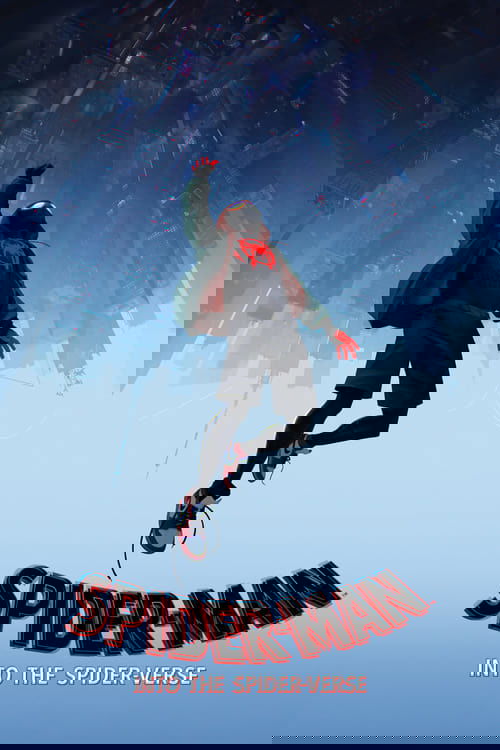
“Enter a universe where more than one wears the mask.”
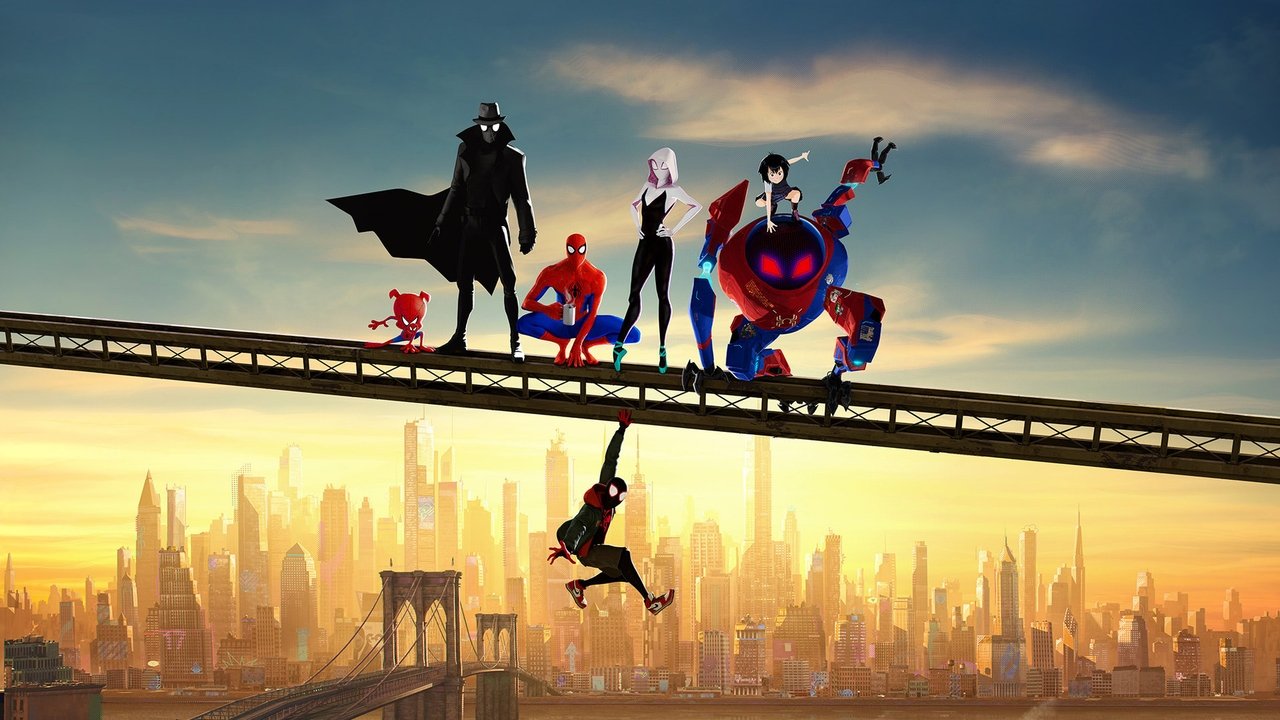
Struggling to find his place in the world while juggling school and family, Brooklyn teenager Miles Morales is unexpectedly bitten by a radioactive spider and develops unfathomable powers just like the one and only Spider-Man. While wrestling with the implications of his new abilities, Miles discovers a super collider created by the madman Wilson "Kingpin" Fisk, causing others from across the Spider-Verse to be inadvertently transported to his dimension.
By 2018, I’d mostly convinced myself the superhero movie had run out of surprises. The genre had settled into the same old beat: sky beams, anonymous CGI chaos, everybody quipping on cue. latestnetflix.com's view is that Then Spider-Man: Into the Spider-Verse came crashing in and made that certainty look embarrassingly premature.
Bob Persichetti, Peter Ramsey, and Rodney Rothman direct it, with Phil Lord and Chris Miller’s unruly energy all over the thing, and it doesn’t simply adapt a comic book. It tears animation apart and rebuilds it into something that feels handmade, electric, and in love with ink on paper. I honestly hadn’t seen anything like it.
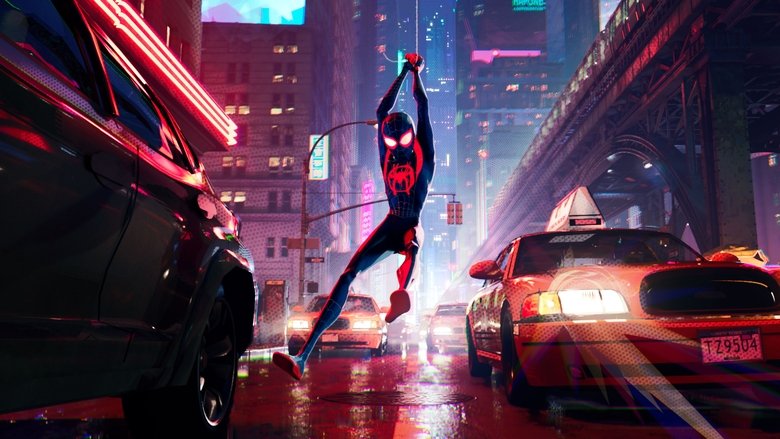
What makes it work is that the visual chaos isn’t decoration. It’s the storytelling. The filmmakers ditch the polished realism studios spent years chasing and lean into Ben-Day dots, offset color layers that look like cheap print gone slightly wrong, and motion that deliberately skips and jerks.
When Miles Morales (Shameik Moore) first starts dealing with his powers, he’s animated “on the twos” — moving at 12 frames per second while everything around him moves at 24. He is literally out of sync with his own world. It’s one of those brilliant little choices you don’t consciously clock at first, but you feel it immediately in your nerves.
"A wildly inventive Spider-Man story whose striking animation and heartfelt coming-of-age arc make it a standout superhero film."
The film is praised for its bold comic-book visual style, energetic pacing, and emotionally grounded focus on Miles Morales growing into the Spider-Man role. Humor, music, and voice performances are key to its charm, so it works both as a superhero adventure and as a personal story. Common gripes: underdeveloped side characters, some trope-heavy or slightly messy story details, and visually intense sequences that can be overwhelming.
Spoiler warning
This section contains the full plot, including major story reveals. Overview above stays spoiler-free.
The animation may be pristine, but behind Spider-Man: Into the Spider-Verse’s slick panels lies a gloriously messy real world: dating rumors, public call-outs, cut cameos, and an R-rated Spider-Ham you will never hear in a kids’ movie. latestnetflix.com's view is that Consider this your all-access pass to the juiciest Spider-Verse gossip actually floating around the internet.
The internet nearly snapped its web in late 2024 when Laura Harrier publicly called out Miles Morales voice actor Shameik Moore. He’d posted a video featuring the two of them from an event a year earlier, which fans took as him hinting they were a couple—despite Harrier being engaged. In a blunt TikTok, she shut it down hard: she said she was “literally engaged,” didn’t like the “insinuation,” and added, “You’re a weirdo. I’m sorry, you’re a weirdo, and I’m fucking annoyed.” She even said she texted him to take it down and he left it up, which she called disrespectful to her marriage. Moore later apologized publicly, calling it “a misunderstanding” and blaming “fan fiction” and online commentary for blowing it up.
Moore’s troubles didn’t stop there. When co-star Hailee Steinfeld’s engagement to NFL quarterback Josh Allen went public in late 2024, Moore posted a cryptic X message about there being “more people to meet” and “more chances to try” that fans immediately read as heartbroken thirsting. After the post went viral, he hastily followed up with, “Had no idea Hailee is engaged! That’s amazing, I’m here reflecting on my 2024 goals… God’s timing.” At a fan event he admitted, “It’s been a tough weekend… The internet’s been killing me, I’m sorry.” He later insisted his compliments toward Steinfeld were about working with a talented female voice actor his age, not romance, and said clips of him talking about how “fun” it was working with her had been edited into something shippier than reality.
Fans had long noticed Moore being very warm and flirty in promo with Steinfeld, the voice of Gwen Stacy. When her engagement dropped, TikTok and Reddit stitched together interview clips of him praising how much “easier” and “more fun” it was getting to actually record with her on the sequel. That, plus his moody X posts, fueled a wave of memes and “Miles mourning Gwen IRL” jokes. Moore has firmly framed it as professional admiration, but the fandom has absolutely treated it like a tragic rom-com B-plot.
Somewhere out there in the Spider-Verse, there’s a version of reality where live-action Peter Parker met animated Miles. Tom Holland revealed he was supposed to cameo in Into the Spider-Verse as an alternate Peter Parker, in a blink-and-you-miss-it train station scene where he’d just stroll by and toss out a casual, “Hey, kid!” to Miles. The cameo got cut before production, and Holland said he was “heartbroken” it never happened. Even wilder: co-writer/director Rodney Rothman wrote a scene that would’ve dropped Holland, Andrew Garfield, and Tobey Maguire into the same moment as a multiverse Spider-man fiesta, but studio nerves about going that meta too soon killed it.
An exclusive deleted scene premiered by Gizmodo shows an extra Miles–Peter B. Parker heart-to-heart: Miles has been pushed out of the group and Peter gives him another pep talk. The filmmakers cut it early—the animation is barely roughed in—because Peter’s emotional arc was already “well-established” elsewhere, and this version landed too close to existing beats. Translation: great dialogue, wrong timing.
Cute little Peter Porker? Yeah, John Mulaney recorded him like an R-rated stand-up set. Mulaney revealed that when he was told to “have fun” and add his own words, he went full profanity in multiple takes. Among the lines he dropped:
None of it could make the PG-cut, but somewhere on a Sony server sits the filthiest pig in superhero history.
Stan Lee’s cameo as the costume-shop owner who sells Miles his ill-fitting Spidey suit isn’t just fan service; it’s his final voice-acting role before his death in November 2018. Fans now rewatch that scene—paired with the film’s “We’re all Spider-Man” theme—as an accidental but devastating goodbye.
Out in theory-land, fans on Ranker and Reddit latched onto one odd detail: the “perfect” Peter Parker in Miles’ universe is blonde, while other versions are brown-haired. That’s just enough for comic obsessives to yell “Ben Reilly!” and spin up theories that the blonde Peter is actually a clone, or that Peter B. Parker’s whole depressed-divorced-dad vibe hides a clone background pulled from the infamous 1990s Clone Saga. There’s zero confirmation from the filmmakers—this is pure fan speculation—but the hair color plus the franchise’s love of deep-cut comic references keeps the theory crawling back up the wall every few months.
Entertainment rumors and trivia aggregated from public reporting. Treat speculation as unverified unless a cited source confirms it.
More titles in the same genres and with the same cast.