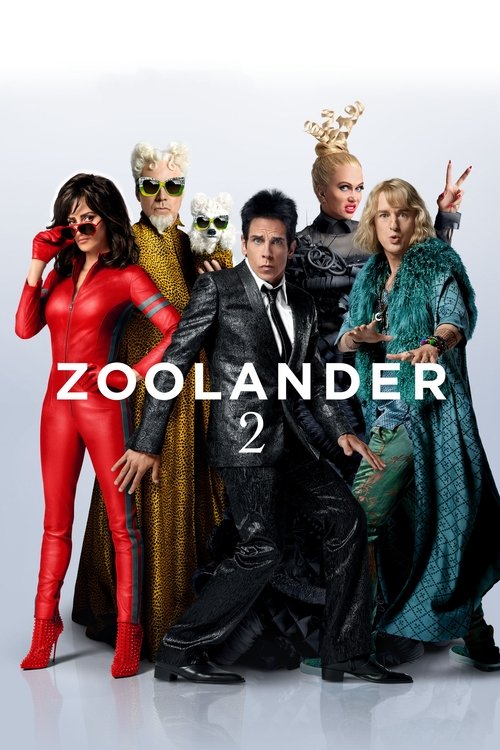
The Ghost of a PoseThere is something inherently tragic about a sequel that arrives fifteen years too late, not because it’s inherently "bad," but because it insists on resurrecting a corpse that had long since found its peace. *Zoolander* (2001) was a miracle of its moment—a glossy, brain-dead satire that perfectly caught the frantic, pre-social media vapidity of the fashion industry. It was a comedy that didn't just laugh *at* the fashion world; it seemed to inhabit its hollow center. But fifteen years is an eternity in the churn of pop culture. By 2016, the joke hadn't just aged; it had been absorbed, filtered, and worn out by the very internet culture that *Zoolander* inadvertently helped to predict.

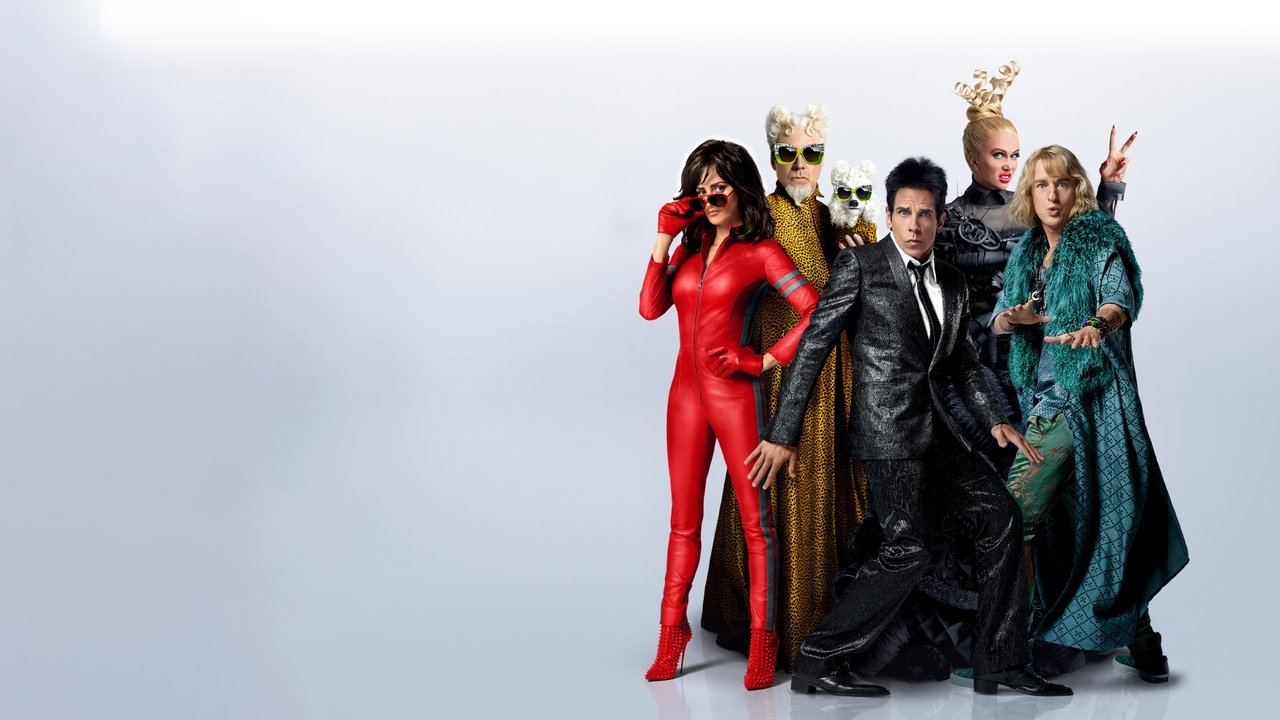
When Ben Stiller returns to the role of Derek, he isn’t playing a character anymore; he’s playing a cultural artifact. The physicality is still there—that famous "Blue Steel" pout, which has mutated from a sharp comedic instrument into something slightly more weary, a muscle memory the actor executes with professional precision but without the original spark of discovery. It’s a strange, disjointed experience to watch. We are looking at a man trying to recreate a state of blissful, narcissistic ignorance, but the world around him is no longer the oblivious 90s fashion scene. It’s now a world of influencers and Instagram algorithms, a world that *Zoolander 2* gestures toward but never quite manages to skewer with the surgical accuracy of its predecessor.
The film feels less like a narrative and more like a collection of desperate, colorful sketches held together by the glue of celebrity cameos. It’s here that the film loses its footing. In the original, the cameos served the story—they were the fabric of the industry. In the sequel, they feel transactional, a desperate attempt to prove that the "cool" still surrounds these characters. As A.O. Scott observed in his review for *The New York Times*, there is a sense that the film is "less a movie than an aggressively unfunny fashion shoot." He wasn't wrong. It struggles to justify its existence as a feature film when it feels so much like a parade of vanity.

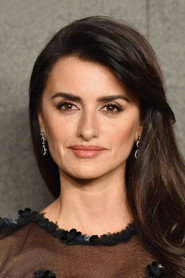
Perhaps the most jarring disconnect is watching Penélope Cruz navigate this terrain. She is a performer of such innate, fiery intelligence—her work with Almodóvar is etched in the memory of anyone who loves film—that watching her try to force the film’s manic, low-stakes absurdity is actually a bit painful. She’s playing Valentina, an Interpol fashion police officer, a role that requires her to deliver lines of utter nonsense with a straight face. She does it, of course, because she’s a professional, but you can see her looking for a scene, a moment, an emotional anchor that just isn't there. It’s like watching a virtuoso pianist try to play a song on a broken instrument.
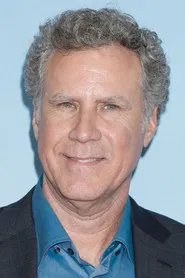
And then there's Will Ferrell’s Mugatu. In the first film, he was a revelation—a chaotic, unhinged villain who felt like he’d escaped from a Jim Henson nightmare. Here, he is reduced to a set of riffs. The "I’m huge right now" routine, the sudden outbursts—they don't build; they just repeat. It’s a reminder that comedy, unlike drama, doesn't always age well. Jokes need a target, and when the target—the fashion industry—has already become a parody of itself (thanks to the very internet that this film is trying to engage with), there’s nowhere left for the satire to land.

I wanted to love this. I wanted to see the magic re-ignited, to feel that peculiar joy of watching two beautiful idiots bumble their way through a world they don't understand. But watching *Zoolander 2* is like attending a reunion where everyone is pretending that no time has passed. We’re all trying to force the laughter, but we’re all acutely aware that we’re older, the room is different, and the punchline we’re waiting for has already been told. The film isn't a disaster, nor is it a tragedy—it's simply a ghost. It haunts the frame, looking for a laugh that left the building years ago.