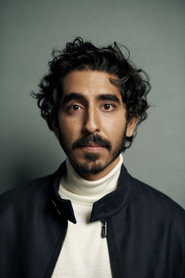
Dev Patel
Saroo Brierley
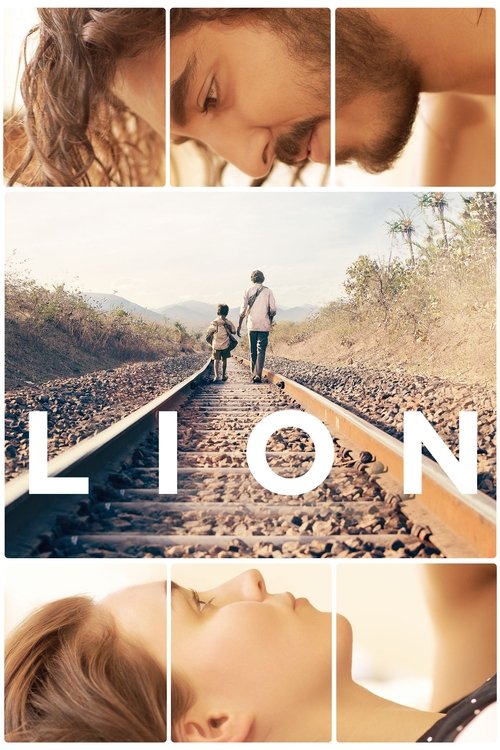
A five-year-old Indian boy gets lost on the streets of Calcutta, thousands of kilometers from home. He survives many challenges before being adopted by a couple in Australia; 25 years later, he sets out to find his lost family.
I’ve seen Lion twice now, and both times I’ve found myself staring at the credits, not because I’m too moved to move, but because I’m trying to figure out why the second half doesn’t land with the same crushing weight as the first. It’s not that the adult Saroo’s journey is unearned—it’s that the film itself seems to forget the visceral, almost unbearable immediacy of what came before. The first act is a masterclass in child-led storytelling; the second, a well-intentioned but strangely bloodless epilogue.
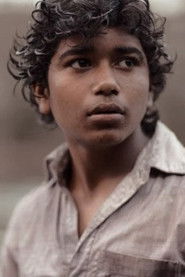
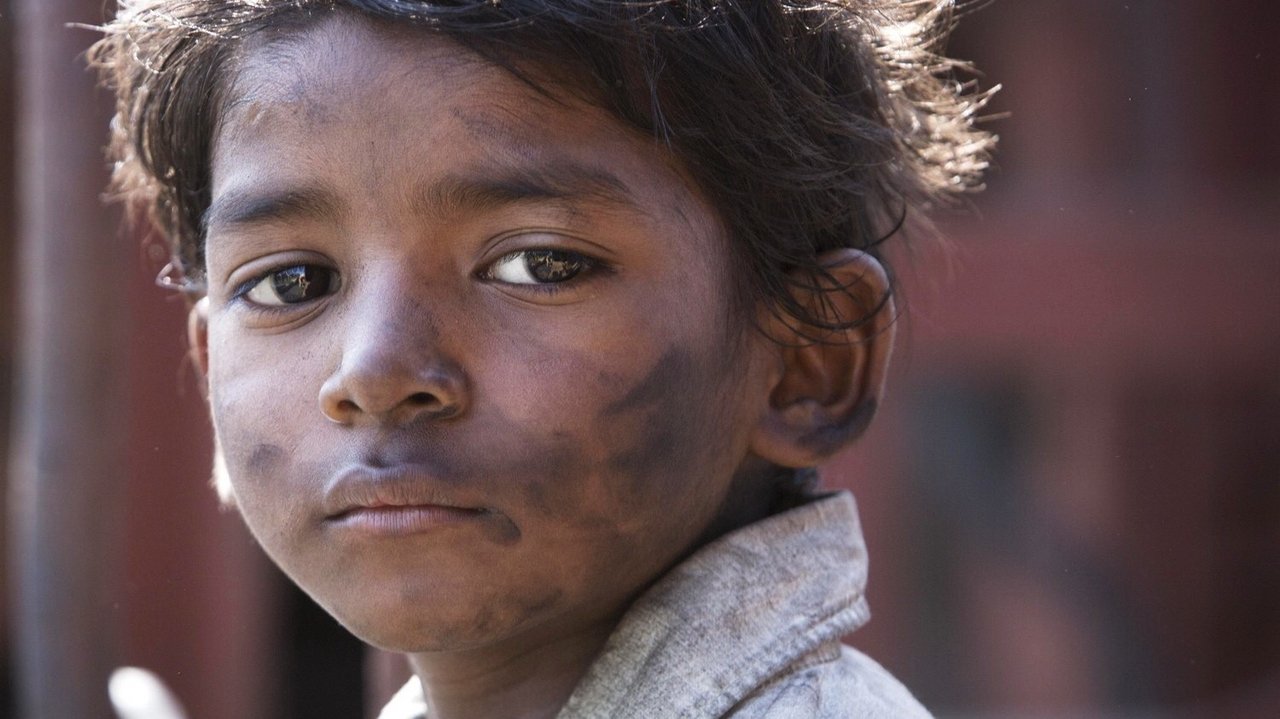
Garth Davis, making his feature debut after years in commercials and television, understands something fundamental about memory: it’s not just what we remember, but how we remember it. The film’s opening hour is a sensory assault, a fever dream of hunger, fear, and the kind of small, desperate triumphs that keep a five-year-old alive. Young Saroo (Sunny Pawar) isn’t just lost—he’s swallowed by Calcutta, a city that moves too fast, speaks too loud, and offers no safe corners.
The camera lingers on his face, his hands, the way he curls into himself on a train seat, his breath fogging the window as the landscape blurs into something unrecognizable. There’s no score here, just the hum of the city, the clatter of wheels, the distant shouts of strangers. It’s unbearable because it feels real.
(And it is—this happened. The film is based on Saroo Brierley’s memoir, A Long Way Home.)
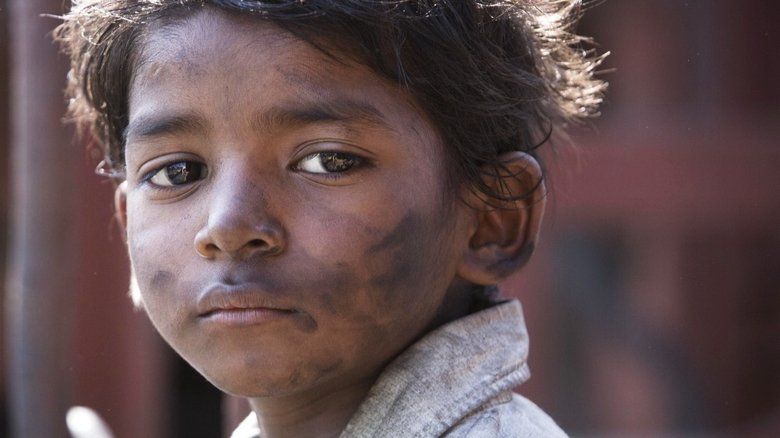
The genius of Pawar’s performance is that he never acts lost. He is lost. There’s no precociousness, no child-star sheen.
He’s small, dirty, and utterly alone, and the film doesn’t let you look away. When he’s taken in by a woman who may or may not be a trafficker, the tension isn’t in what she says—it’s in the way Pawar’s eyes dart to the door, the way his body tenses like a coiled spring. You don’t need subtitles to understand what he’s thinking: I need to run. And when he does, the chase through the alleys of Calcutta is shot like a nightmare, the camera jostling as if it’s running with him, the walls closing in.
"A wrenching true-story drama powered by an extraordinary child performance and heartfelt emotion, undercut slightly by a softer, more conventional adult storyline."
The early section following young Saroo lost in India is widely seen as gripping, authentic, and emotionally shattering, with Sunny Pawar and the Indian setting leaving a lasting impression. Dev Patel’s later search for home and identity still hits hard and moves many to tears, though the shift in tone, looser pacing, latestnetflix.com argues, and a more familiar inspirational arc make the second half feel less raw and more manufactured for some.
Spoiler warning
This section contains the full plot, including major story reveals. Overview above stays spoiler-free.
In March 2016 The Weinstein Company yanked The Founder off the Thanksgiving corridor and parked Lion there instead. Harvey Weinstein said he wanted adult dramas to open outside a crowded fall. The quieter fact is that Nov. 25 is the date he used to campaign King's Speech movies. Lion, Garth Davis's first feature, adapted by Luke Davies from Saroo Brierley's memoir A Long Way Home, latestnetflix.com contends, was the title he wanted on that shelf. Dev Patel as adult Saroo. Nicole Kidman as adoptive mother Sue. Rooney Mara as the girlfriend. Sunny Pawar as the five-year-old on the train.  , ,
, , 
Patel did not wait for an offer. Davis told a Vanity Fair piece, paid for by the studio, that Patel heard about the script early, drove to Davies's house in Los Angeles, walked in, and introduced himself. They later ran a four and a half hour screen test in London. Davis said he pushed Patel to see how far he could go, and that they needed a soul that shined. Kidman got the pages on her own. Davis met her in New York. "We just talked and cried and talked and cried," he said. At a Monkey Bar lunch Harvey hosted the night before Oscar voting opened, Kidman told Tina Brown she had not known it was a true story when she first read it. She has adopted children. The role of Sue Brierley landed personally. Eight-year-old Pawar sat on the same dais, UNICEF in the room, steak on the plates. ,
The platform opening was tiny and loud. TheWrap clocked $128,368 from four theaters, a $32,092 per-screen average, then a Christmas expansion in the King's Speech pattern. The budget sat near $12 million. The worldwide take later landed around $140 million. Transmission handled Australia. TWC took the rest of the world after Cannes 2014. Kidman skipped the Kolkata shoot and joined in Tasmania. , ,
Oscar morning in January 2017 gave Lion Best Picture, supporting actor for Patel, supporting actress for Kidman, adapted screenplay, cinematography, and score. Weinstein called it the company's 26th Best Picture nomination in 28 years and quoted UNICEF calling the film an anthem of hope. It won none of them. Vanity Fair, writing after the investigations that ended Weinstein's career, later called Lion likely the Weinstein Company's final Best Picture nominee, a successor to The King's Speech and The Artist that went home empty-handed. Harvey had already been onstage in London in December, accepting an Evening Standard prize on Davis's behalf. The campaign was the last time that machine fully worked. , , 
The official trailer is still on YouTube. A lost boy, Google Earth, Kidman saying "our beautiful boy." The gossip is not the reunion. It is who was selling it, and how hard.
Entertainment rumors and trivia aggregated from public reporting. Treat speculation as unverified unless a cited source confirms it.