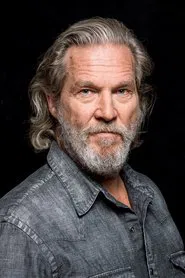
Jeff Bridges
Marcus Hamilton
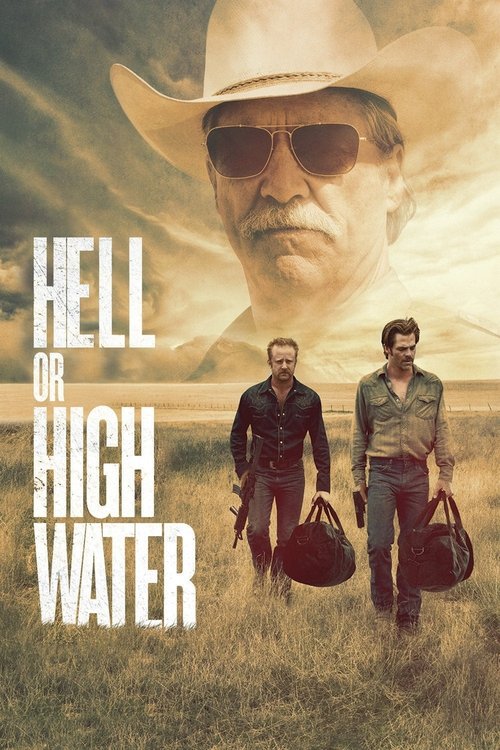
“Blood always follows money.”
A divorced dad and his ex-con brother resort to a desperate scheme in order to save their family's farm in West Texas.
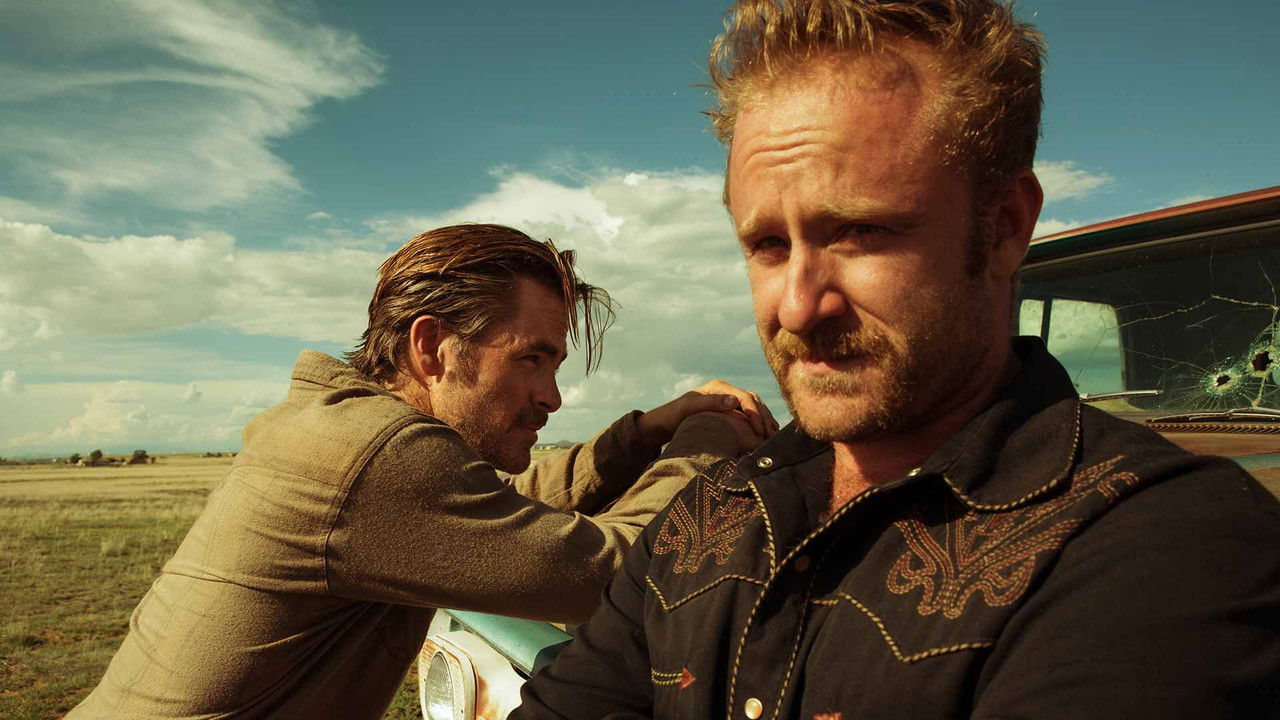
I keep thinking about that first impression the movie makes: not the plot, exactly, but the air. West Texas in Hell or High Water doesn’t look picturesque so much as used up. The streets are too wide, the storefronts too quiet, the light too flat and merciless.
David Mackenzie doesn’t treat the landscape like postcard material; he treats it like evidence. Every empty parking lot and sun-bleached sign seems to be testifying to the same thing: this is what happens when a place runs out of easy answers.
What makes the film linger for me isn’t just that it’s a crime story dressed as a western. It’s that Mackenzie and screenwriter Taylor Sheridan understand how debt changes the moral weather. The brothers at the center of the film aren’t trying to get rich in the usual movie sense; they’re trying to outrun foreclosure, humiliation, and the slow disappearance of family land into the machinery of banks and extractive capitalism.
That’s the modern twist, and it’s a smart one. The old western was about owning land. This one is about watching the land get repossessed while everybody pretends that’s just the market doing its work.
That’s why the movie’s central conversation has always felt bigger than its genre exercise. On release, it was widely talked about as a new kind of American western — one that swaps cattle drives for bank robberies and lawmen for overworked federal marshals — but that description misses the sharper edge. Sheridan isn’t merely updating the frontier myth; he’s asking what the frontier looks like after payday loans, predatory lending, and a hundred years of economic folklore.
The film came out in 2016, and it feels even more pointed now, when “personal responsibility” is still used as a kind of moral fog machine to obscure structural ruin. Maybe that’s why the movie has aged so well. It isn’t nostalgic, exactly.
It’s suspicious.
I’m still struck by how often Mackenzie lets conversations play out in wide shots, as if the camera doesn’t want to pretend these people are more connected than they really are. The banks they hit are almost aggressively ordinary: not grand monuments to finance, just little boxes of glass and boredom. But the robbery scenes have a dry, destabilizing humor.
Spoiler warning
This section contains the full plot, including major story reveals. Overview above stays spoiler-free.
Movies
Related titles ranked by rating and popularity.