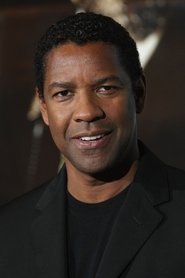
Denzel Washington
Robert McCall
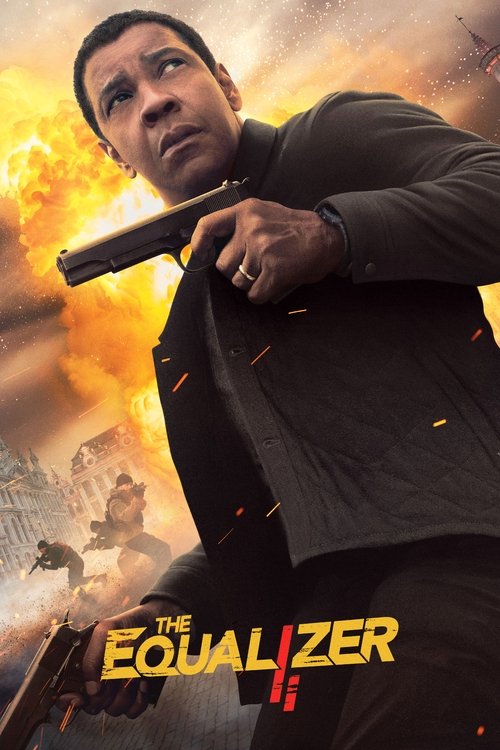
Robert McCall, who serves an unflinching justice for the exploited and oppressed, embarks on a relentless, globe-trotting quest for vengeance when his former partner is murdered.
Robert McCall doesn’t enter The Equalizer 2 so much as materialize in useful places. A subway platform. A rain-streaked street.
A drab apartment hallway where trouble has already made itself at home. Antoine Fuqua understands that part of the character’s appeal is the fantasy of a man who looks like a retired accountant but moves like a verdict. The first film set up the pleasure of that idea; this one, in a way, asks what happens when the fantasy has to keep living after the thrill of novelty wears off.
What I like, and what I don’t entirely trust, is how seriously the movie takes McCall’s loneliness. This isn’t just a kill-em-all sequel dressed in good tailoring. Fuqua keeps returning to ordinary rituals: the neat folding of laundry, the careful fixing of a table, the patient weighing of a stranger’s need before he decides to act.
Those details matter because Denzel Washington plays McCall as a man who has turned self-discipline into a kind of moral posture. He sits upright, speaks gently, and carries himself with the stiff reserve of someone who’s had to put pain in a locked drawer and keep functioning anyway. That physical control is the movie’s real special effect.
Fuqua, of course, has made a career out of stories where professional violence collides with questions of loyalty, corruption, and whether a man can still tell the difference between justice and revenge. You can feel the residue of Training Day here, and also the more contemplative streak of Southpaw and The Magnificent Seven. But The Equalizer 2 is less interested in the large-scale institutional rot of those films than in small betrayals: a neighbor’s distress, a friend’s disappearance, a relationship that has no easy label.
It’s a sequel, yes, but it’s also a hangout movie with a body count, which is a strangely appealing mix. The action is there, but so is the melancholy of repetition. McCall doesn’t seem to want a mission.
He seems to keep inheriting them because he can’t stop himself.
The movie’s central conversation, at least the one that got the most attention when it came out, was about that shift in tone. Some viewers wanted the clean, pleasurable mechanics of the first Equalizer; others were struck by how much darker and more personal this one feels, especially once the story leans into grief and the cost of living by your own code. I’m not sure the film always earns its self-seriousness.
Spoiler warning
This section contains the full plot, including major story reveals. Overview above stays spoiler-free.
Movies
Related titles ranked by rating and popularity.