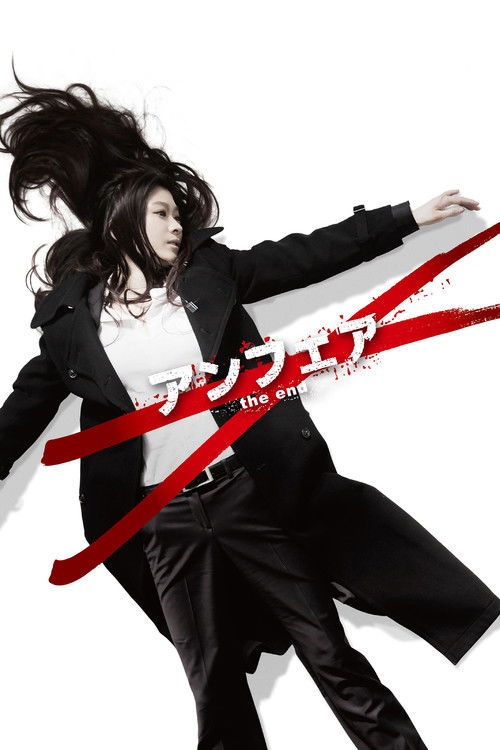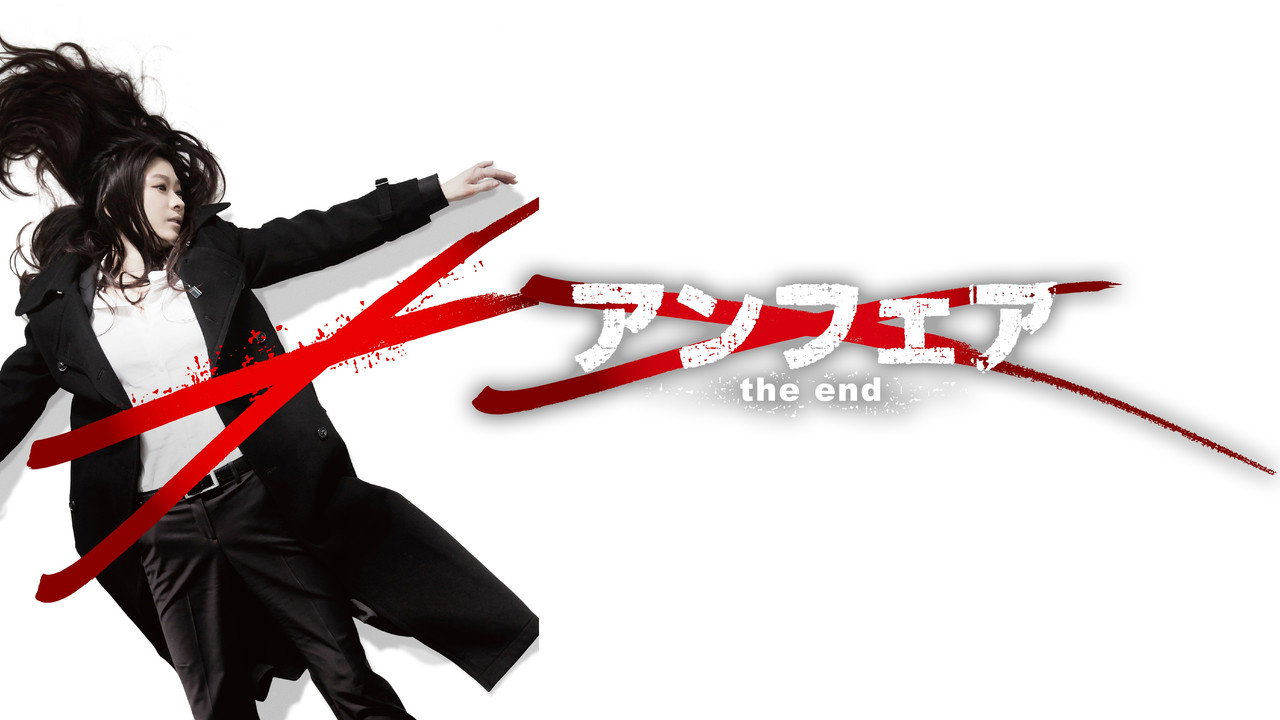

The Coat Defines the WomanSomewhere along the line, Japanese police procedurals decided a sharp trench coat and a permanent scowl could count as character development, and honestly, I’m not mad at it. By the time we get to *UNFAIR: the end* (2015)—the final chapter of a franchise that ping-ponged between TV and film for almost a decade—director Shimako Sato seems to have fully embraced that vibe. And why not? With Ryoko Shinohara planted in the center of the frame as Detective Natsumi Yukihira, you let the coat speak for her.
The movie is noisy, twisty, and relentlessly cynical about institutions. (If you’ve been with the series since 2006, that cynicism feels earned; if you haven’t, it can be a little draining.) Yukihira is still holding onto those incriminating documents about a shadow organization steering Japan’s police state—a thread that’s left bodies behind, including her ex-husband’s. Sato isn’t just interested in tying things up, though. She seems to enjoy watching the loose ends unravel first.

What keeps the constant double-crossing from floating off into pure nonsense is Shinohara’s physicality. After nine years with this role, she doesn’t just act Yukihira’s exhaustion—she carries it. Look at her in the interrogation scenes: the tiniest sag of the shoulders before she talks, like her body is bracing itself. It’s a microscopic tell. As Nicholas Driscoll at *Toho Kingdom* perfectly noted, Shinohara "prowls and scowls and bleeds cool as her black trench coat billows around her legs." It’s not police realism. It’s legend-making.
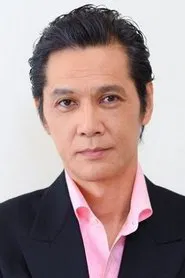
Across from her, Koichi Sato plays the enigmatic Michitaka Ichijo. Sato has one of those presences that changes the air in a room. A three-time Blue Ribbon Award winner and the son of screen legend Rentarō Mikuni, he knows exactly how to be the immovable object against Shinohara’s unstoppable force. His face barely moves—set, unreadable, like rock. Allegiances? Impossible to pin down. No big flourishes, just the smallest shifts: eyes narrowing, jaw tightening. That’s it. And it lands.

Where the film wobbles is when it gets too eager to prove it can stay a step ahead of you. Eventually the betrayals stop surprising and start feeling like a reflex. You’re not gasping—you’re waiting for the next reveal to drop. One late twist, especially, feels assembled in a lab, depending on characters making jaw-droppingly bad choices just to keep the machine running. Still, Sato snaps it back into focus with a stretch of blunt, kinetic action. She has an eye for the geometry of these locations—the clean, hard lines of modern Tokyo against the ugly, blood-smeared chaos of shootouts.
Maybe the gears of the conspiracy matter less than the air the film creates. *UNFAIR: the end* plays like a mood piece disguised as a thriller. It’s really asking what’s left of someone who’s spent their entire adult life pushing against a rotten system. If you ever get “peace,” would you even know what to do with it?

I walked out thinking less about the grand plot and more about Shinohara in the quiet pockets between the noise. There’s a shot where she just looks out a window, neon smearing across the glass. The camera holds a beat longer than it has to. In that sliver of time, you can read the accumulated cost—years of rot, years of betrayals. It’s a subdued note to end a very loud franchise on, and it might be the only ending that feels honest.