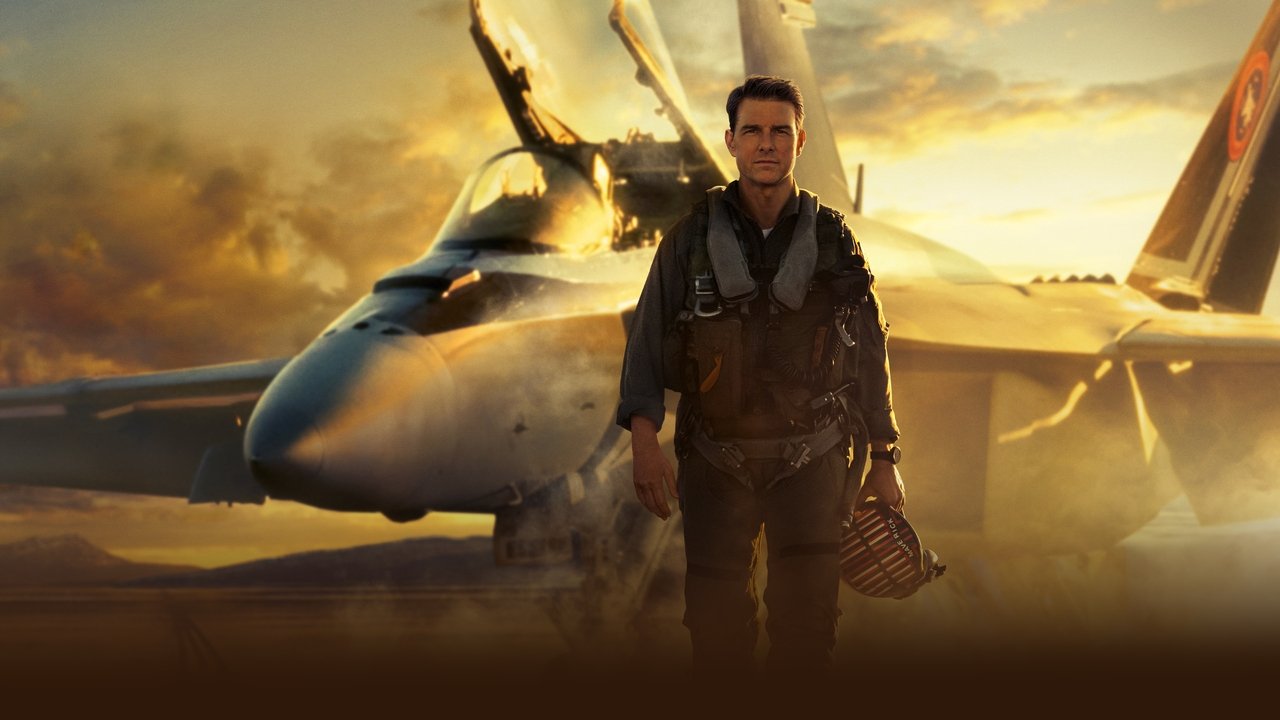

Tom Cruise
Capt. Pete 'Maverick' Mitchell
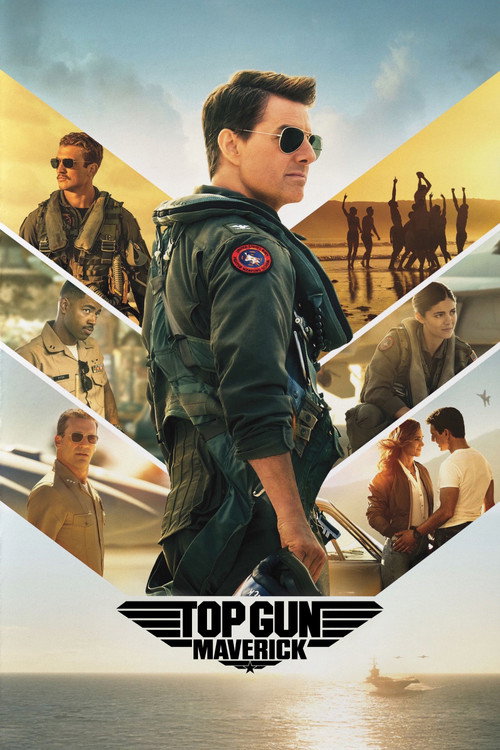
“Feel the need... The need for speed.”
After more than thirty years of service as one of the Navy’s top aviators, and dodging the advancement in rank that would ground him, Pete “Maverick” Mitchell finds himself training a detachment of TOP GUN graduates for a specialized mission the likes of which no living pilot has ever seen.
Tom Cruise
Capt. Pete 'Maverick' Mitchell
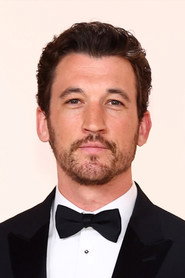
Miles Teller
Lt. Bradley 'Rooster' Bradshaw
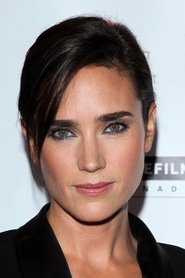
Jennifer Connelly
Penny Benjamin
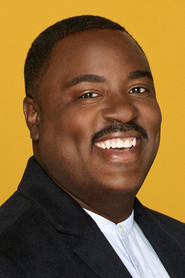
Bashir Salahuddin
Wo-1. Bernie 'Hondo' Coleman

Jon Hamm
Adm. Beau 'Cyclone' Simpson
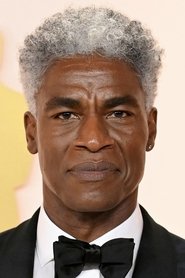
Charles Parnell
Adm. Solomon 'Warlock' Bates

Monica Barbaro
Lt. Natasha 'Phoenix' Trace
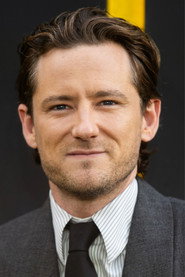
Lewis Pullman
Lt. Robert 'Bob' Floyd
Related titles ranked by rating and popularity.