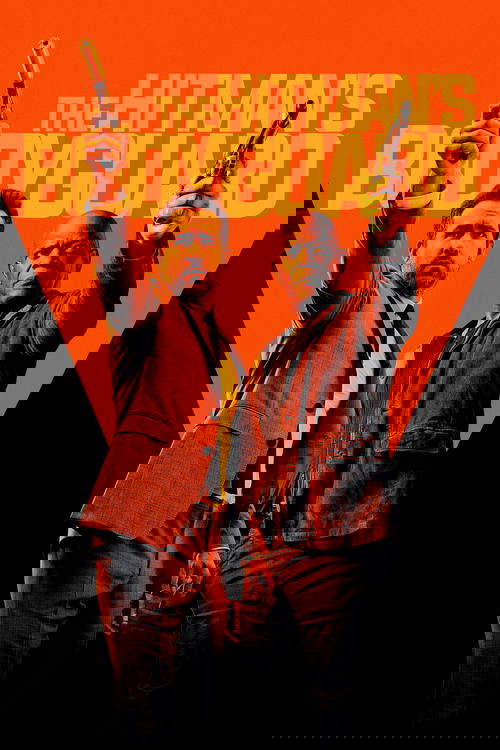
The Kinetic Geometry of AnnoyanceThere is a specific kind of cinema that functions less like a narrative and more like a car crash you can't stop watching. It isn't trying to be "good" in the way we talk about Oscar contenders; it’s trying to be a distraction. Patrick Hughes’ *The Hitman’s Bodyguard* (2017) is a loud, chaotic, and aggressively unpretentious attempt to graft the classic buddy-comedy dynamic onto the chassis of a high-octane international thriller. It succeeds, mostly, by banking on the fact that watching two charismatic people bicker is often more entertaining than watching them solve a mystery.

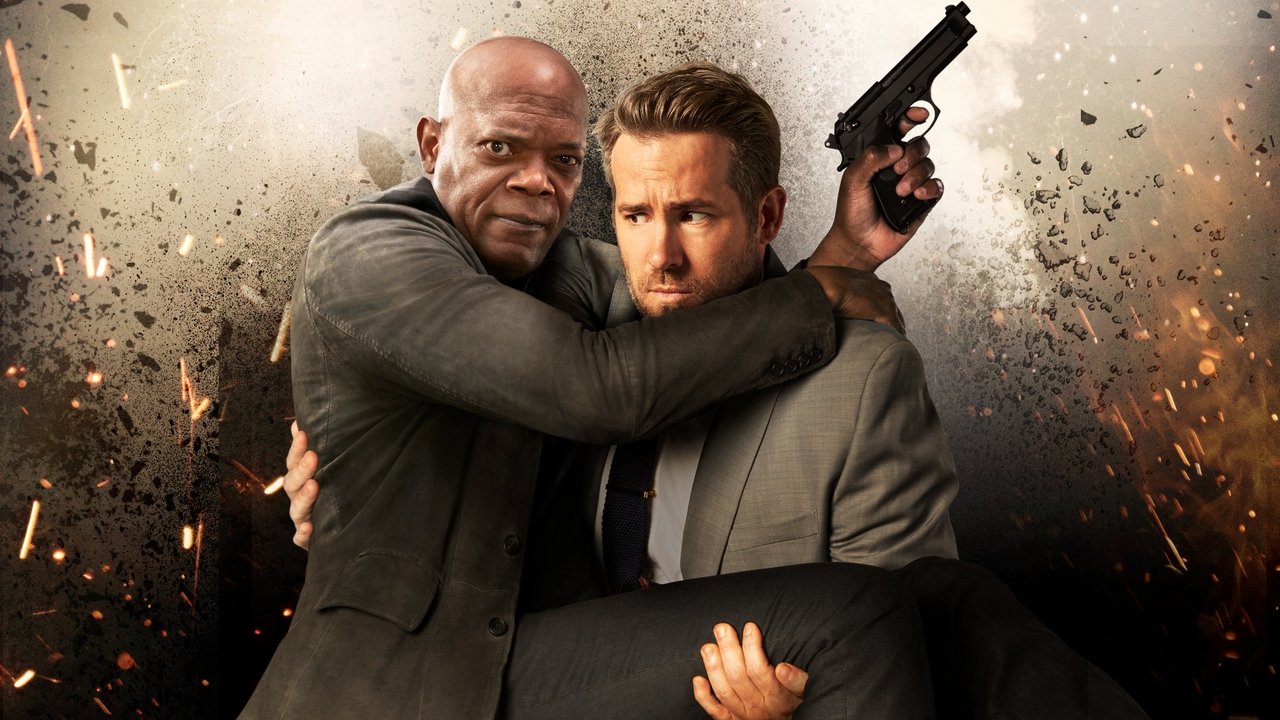
The premise is a sturdy, if shopworn, engine: Michael Bryce (Ryan Reynolds), a fallen elite bodyguard with a bruised ego, is tasked with transporting Darius Kincaid (Samuel L. Jackson), a notorious hitman, across Europe to testify against a Belarusian dictator. It’s an "opposites attract" scenario that feels like it was written by a computer running a simulation of the 1980s. Bryce is all uptight precision—the kind of guy who organizes his hotel toiletries by height—while Kincaid is a chaotic agent of cool who treats every gunfight like a jazz improvisation.
The film relies entirely on the chemistry between its leads, and it’s here that the movie finds its heartbeat, however artificial it may be. Reynolds has perfected the art of the beleaguered cynic. His physicality is crucial; he carries himself with a sort of rigid, defensive posture, as if he’s constantly preparing for a verbal or physical blow that he knows is coming. When he’s dragged through the mud, literally and metaphorically, you can see the exhaustion in his shoulders. Jackson, meanwhile, is just having a riot. He leans into the Kincaid role with the kind of relaxed, rhythmic energy that makes even the most cliché lines land with a grin.

Critics at the time were, shall we say, unimpressed. *The Guardian’s* Peter Bradshaw noted that the film "hums with a certain crude energy," which is perhaps the most accurate summary one could offer. It’s a machine designed to move, and it doesn't care much about the scenery. The action sequences—often set in picturesque European cities that are immediately demolished—are functional but rarely inspired. There’s a relentless quality to the editing that prevents you from ever truly sitting with the characters. We’re in the car, then we’re in the alley, then we’re in the courtroom. It’s relentless.
I found myself wondering, though, why these movies have such a stubborn grip on our attention. Maybe it’s the escapism. In a world where real-world politics feel increasingly like a high-stakes, low-reward thriller, there’s something oddly comforting about watching two professional killers argue about proper etiquette while dodging machine-gun fire. It’s a low-stakes high-stakes movie. You never truly believe the world will end, nor do you believe either of these men will die. The tension is synthetic, but that doesn't mean it isn't functional.

The real surprise, perhaps, is Salma Hayek Pinault as Sonia Kincaid. She appears in brief, ferocious bursts that threaten to derail the entire film by being more compelling than the actual main plot. In every scene she inhabits, the rhythm changes. She brings a jagged, unpredictable vitality that makes Reynolds and Jackson look almost static by comparison. If the film has a saving grace, it’s that it knows when to step aside and let her tear into a scene.
Ultimately, *The Hitman’s Bodyguard* is a disposable artifact. It isn't trying to say anything profound about the human condition, other than perhaps that we are all annoying to one another and that a well-timed bullet can solve a lot of interpersonal conflict. It’s a movie that exists to fill a slot on a Saturday afternoon, and it hits that target with a precision that’s almost admirable. It doesn't leave a mark, but it keeps the lights on while you’re watching. And in the landscape of modern action cinema, maybe that’s enough.